The Mia Wilson Interview
Southern California-based singer-songwriter and keys player Mia Wilson has been carefully conjuring a coastal collection of spiritual sounds and tonal textures for her highly anticipated self-titled debut album that’s been in the works since the early days of the paralyzing pandemic. While eagerly exploring the DNA of her creative community’s iconic influences, such as the Laurel Canyon legends like Jackson Browne, Joni Mitchell, Carole King, Cass Elliot, and Neil Young, to name a few, as well as the fundamental females of the 90s like Jewel, Lisa Loeb, Sheryl Crow, and Sarah McLachlan, Wilson finds her voice in the melodic mist, and safely secures a place amongst her poetic peers.
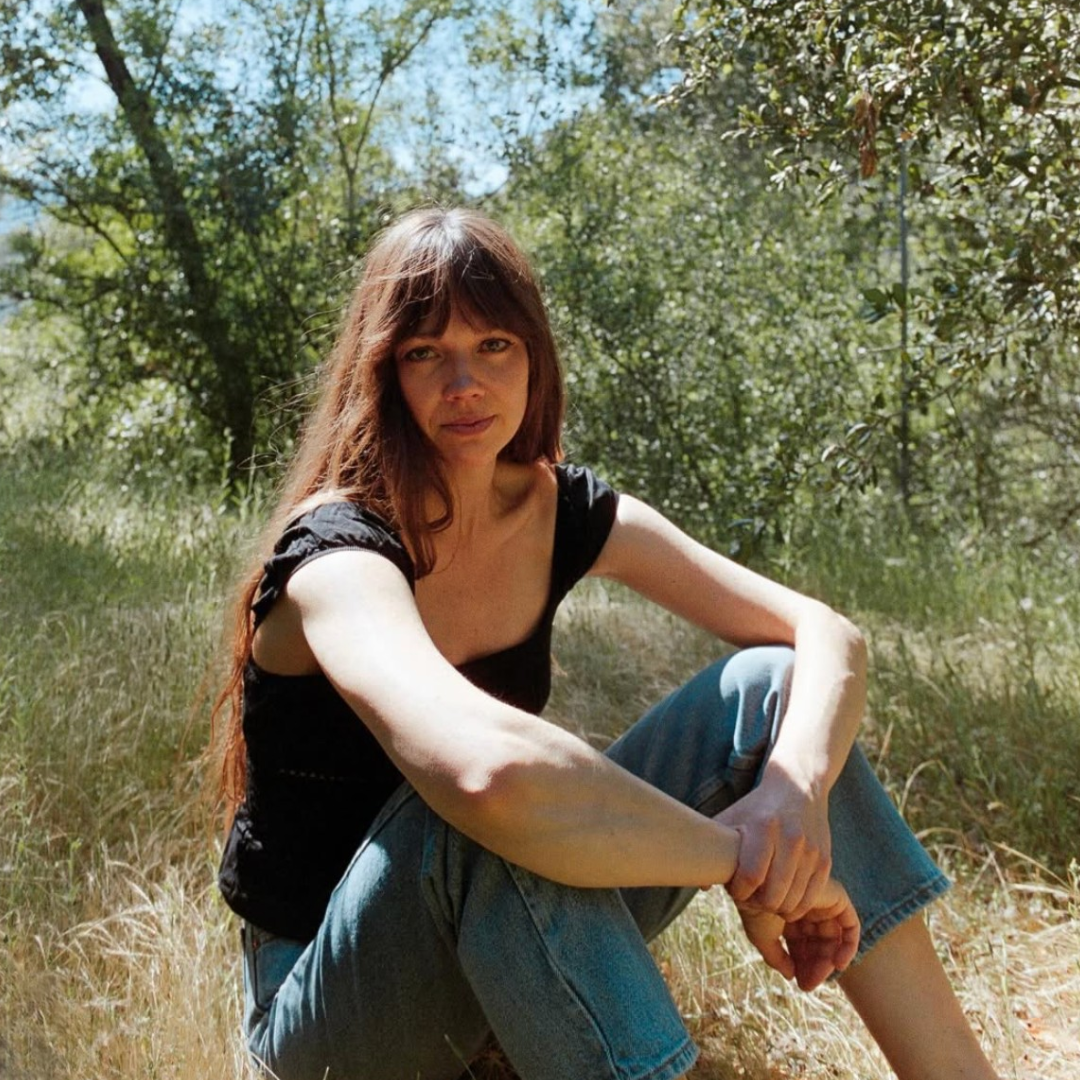
Photo: Sarah Ward
Tell me about growing up in SoCal, and how the revolutionary region has influenced you both as an individual and as a songwriter. When did you first begin playing music/writing songs, and who in particular influenced you during your more formative years?
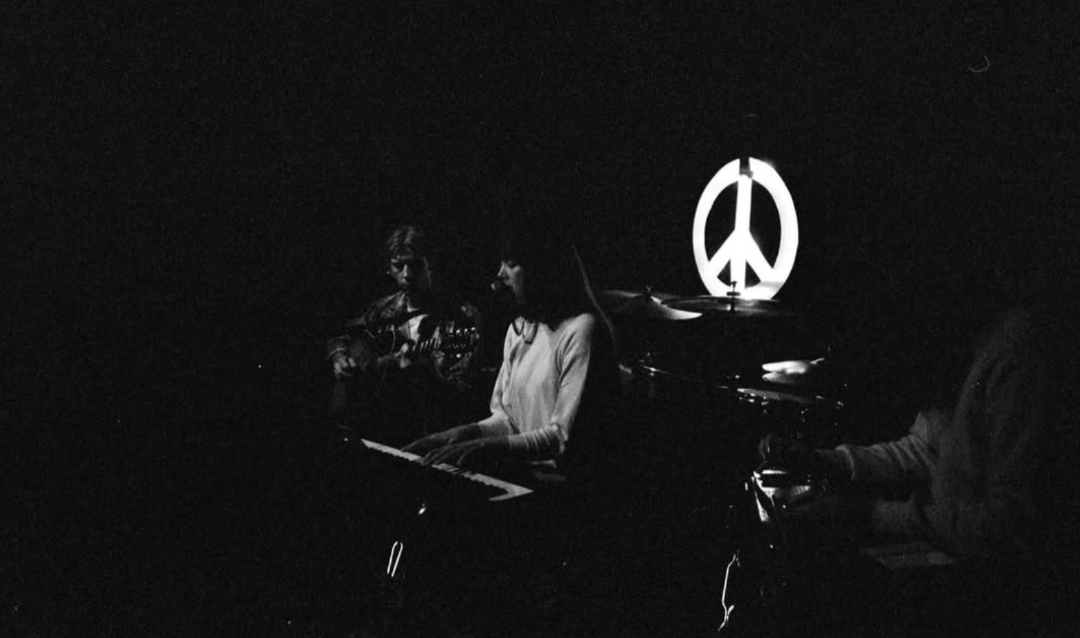
Photo: Dylan Delaney
Southern California has a particular atmosphere of juxtaposition. It’s a land of sunshine and “perfect” weather almost year-round, but it is also the epicenter of raging wildfires and impending earthquakes. In an hour, you can get yourself to a beach, a mountain range, a desert, or a forest. It’s home to the most superficial and vapid cultural fixations as well as some of the most groundbreaking and substantial work and artists. The pioneer and opportunistic mentality still permeates much of the climate. It’s a very inspiring place to live and work, but it can equally be bewildering and offensive. Growing up here was all of those things. It has the power to really shape your perspective. There’s a casualness, an “easy come, easy go” mentality, as well as a deep understanding of impermanence. It’s a hellfire paradise. I think it took me leaving, traveling, and living in several different places to understand the nature of Southern California. When you grow up in it, it’s all you know. Being away afforded me an outsider perspective, and I do feel like there was a point when I felt compelled to come home to my California roots and explore the music that originally shaped me.
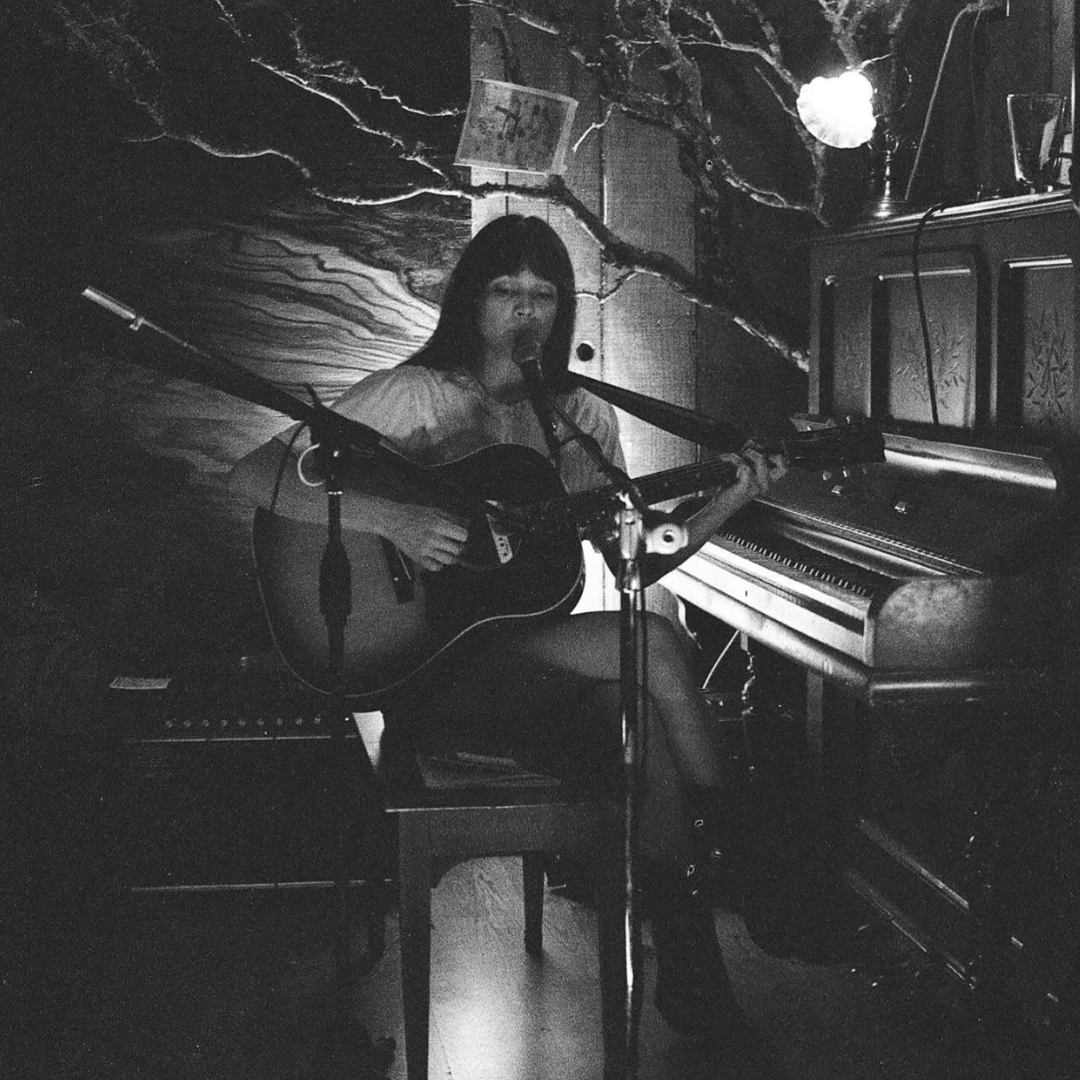
Photo: Nicole Hawkins
While balancing elements of the Laurel Canyon scene with the cinematic community, how were you able to locate your own kind of poetic purity, and singular sound amongst the influence, and overall outpour of the West Coast’s zeitgeist? Before your self-titled debut, which was released in November of last year on the Oakland-based label Royal Oakie, you and your partner, Skyler Lusteg, had initially begun writing the music back in 2021, correct? I understand that the album was conceived over the course of three days. What was the overall process and approach to bringing this material to life, and what was most important for you to achieve as a songwriter, capturing their debut album?
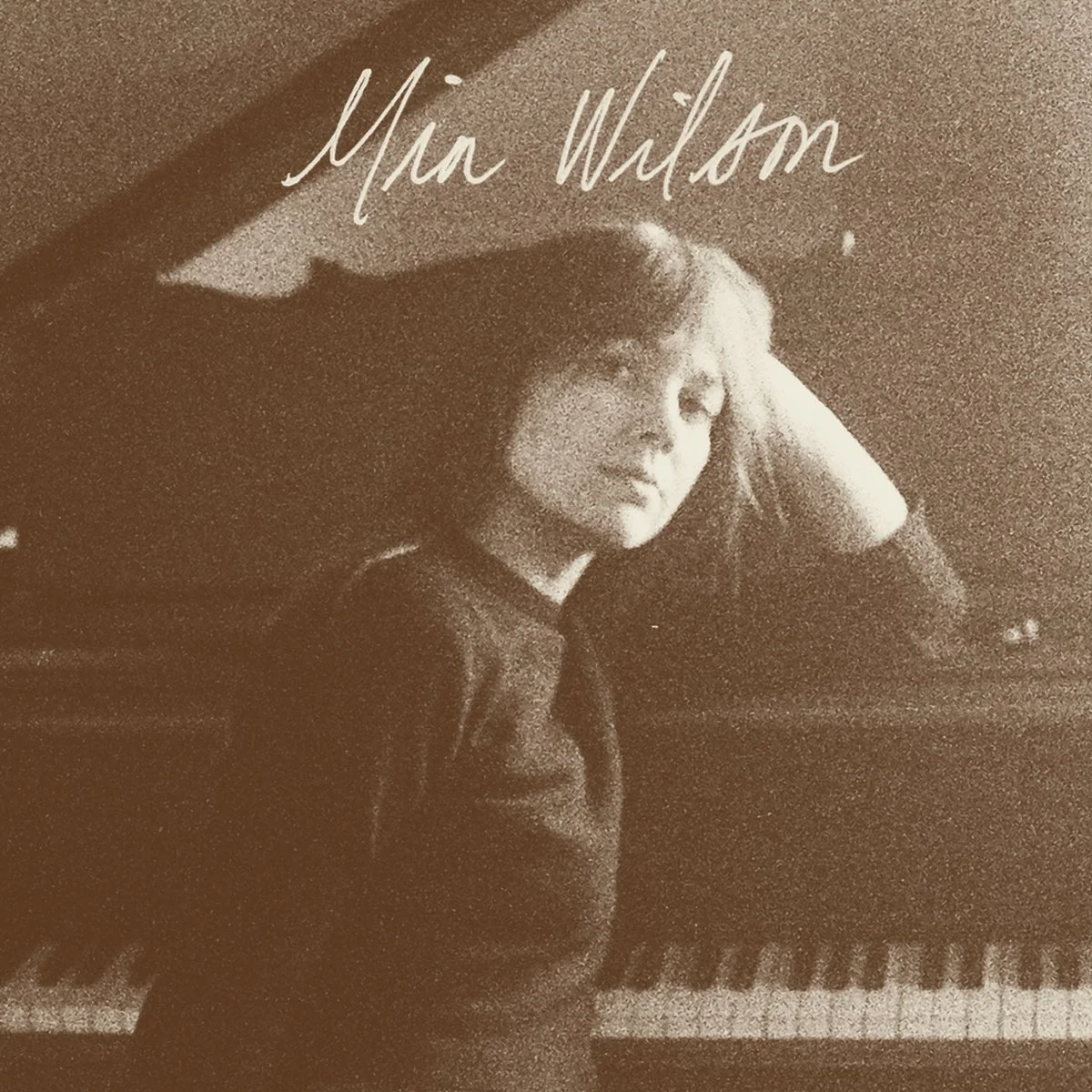
I grew up in a musical family and watched my dad pursue the singer-songwriter circuit as a child. It all started with him, really. He was and still is one of my main influences in music. I grew up exposed to a lot of different music. Part of that was a lot of the early 70s Laurel Canyon music like Jackson Browne, Joni Mitchell, Carole King, Cass Elliot, Neil Young, CSN, and the 90s female singer-songwriters like Jewel, Lisa Loeb, Sheryl Crow, and Sarah McLachlan. I also had the opportunity to go to festivals and see live music at a very young age. Seeing artists perform left a major impression on me. I remember being maybe 5 or 6 years old at the Telluride Bluegrass Festival, watching Shawn Colvin perform and knowing then and there that I wanted to do what she was doing. I started writing songs when I was young, even before I could write them down. I was making stuff up and singing it. My dad had a camcorder and would record my brothers and me performing whatever was flying off the cuff. I didn’t take songwriting too seriously until after college. I spent my early education in choirs performing and interpreting other artists’ material. That was a formative education as well. This is hard for me to escape. I love that West Coast California sound, the music that has come out of this area, and the records that were made here. It’s what I grew up on and what I turn to to this day. There’s a nostalgia that I gravitate towards, maybe not even necessarily nostalgia, but a timeless, ageless sound that captures that casual Southern California feel. Skyler and I set out to write songs that could be stripped of their production or adornment and stay intact and strong. We focus a lot on harmony, song form, and arrangement with chord progressions that build tension and offer release. We are inspired by the songwriting of Jimmy Webb, among others, who pulls this off so well. We are just attempting to make the music we love. The themes that I explored lyrically were pressures and experiences that weren’t necessarily new, but just really depended on those 4 years of writing. The existential dread just became a little more palpable, and the relationships a little more sensitive. We also had time. I had time to think, process, and, in some ways, examine myself for the first time in my life. It felt as if all my nerve endings were exposed. I think many people felt this way during those years, and, arguably, we still do. We are living in a really interesting time. Not that it’s any more interesting than any other time, but it’s just so unique to us. Uncharted territory. Some of the songs took shape quickly, while others had countless rewrites. Some of the songs were being altered up to the day of recording. It goes that way sometimes.
Accompanied by Tim Ramsey, Tyler Karmen, Carly Bond, Kaitlin Wolfberg, and David Glasebrook, what was your experience working with this caliber of musicians/producers, and how much did their professional presence impact the music both creatively as well as critically? I’m curious to hear some of the background to tracks like “The Dream In Everything”, “When You Go”, "What Can I Do?”, and the album’s opener “Face To Face”. Is there anything else you would like to further share with the readers?
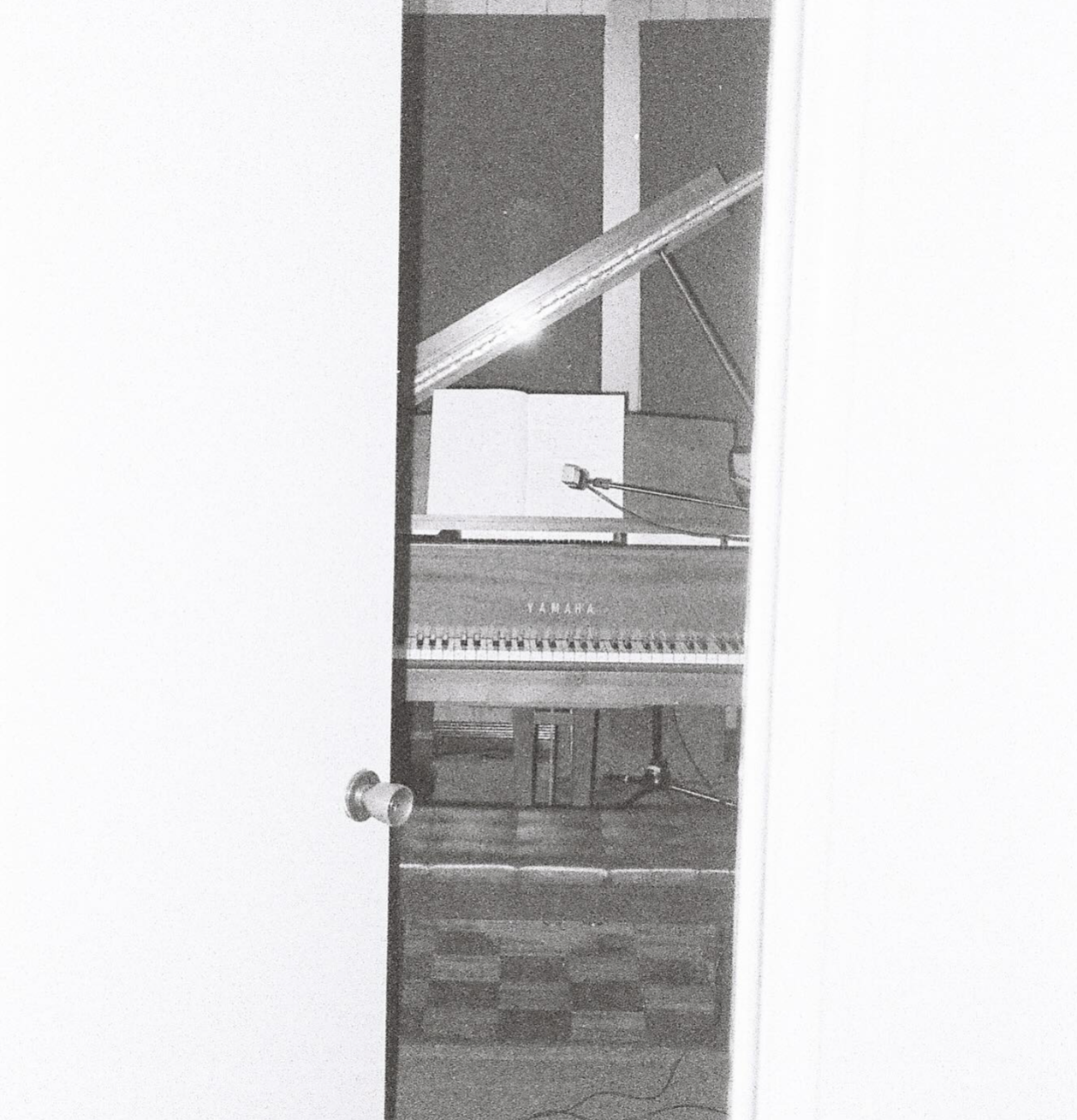
Skyler and I have a true collaborative process. Every song is different, but typically, the songs start with a musical idea that Skyler has created. He’ll bring it to me, and we will work out a melody over it together, adjusting the song structure, key, and chord progression that calls for it. Once that feels right, I will write the lyric, then bring that back to Skyler, and we will edit it together. Then we will work out the production. We had been writing like this for a while and had aspirations of capturing some of our ideas, but it really wasn’t until we met Tim Ramsey and Trevor Beld Jimenez that it became a reality. We happened to open for their band Parting Lines, and after the show, we talked about recording together. A major part of the record was tracked live over three days at 64 Sound in Highland Park with Trevor on drums, Tim on guitar, Skyler on bass, me at the piano, and Tyler behind the board. I loved recording this way. The live element is everything. Months of overdubs at Tim’s studio followed those sessions, capturing all the organ, the strings with Kaitlin, and all the percussive elements. We did a session with Carly to get some piano tones we felt were lacking. These artists are pros. I love surrounding myself with people more experienced than me so I can watch and learn. I like a little pressure and have this desire to deliver even if I’m a little out of my league. I try to surprise myself. It was such a pleasure creating this record with them. We all speak the same musical language and grew up listening to and loving the music we reference on this record, so that made the collaboration easier. The thing I think I was most touched by was how much each artist put of themselves into the record. They were all invested as if it were their own, and it is theirs. Tim became the third member of the band in the process. His markings are all over it. I find it difficult to write about the songs. Each song is true to my own human experience, but when I am writing lyrics, I am very intentional about keeping the story lines genderless, ageless, and timeless. Not using current slang or descriptions that would place the song in a certain time period. I attempt to allow the listener to insert themselves, their relationships, and their own experiences into each song. Something my grandmother and my brother could relate to. I do my best to create the mood, the imagery, the poetry, the feelings, and some circumstance, but with enough room for personal interpretation. So I feel inclined to leave it there. I trust that the songs open up each listen, and I hope that they touch on something as personal to the listener as they do for me. I really appreciate the thoughtful questions and for listening to the record. I am always pleasantly surprised when it finds new ears.
https://www.miawilsonmusic.com/