The Matt Kivel Interview
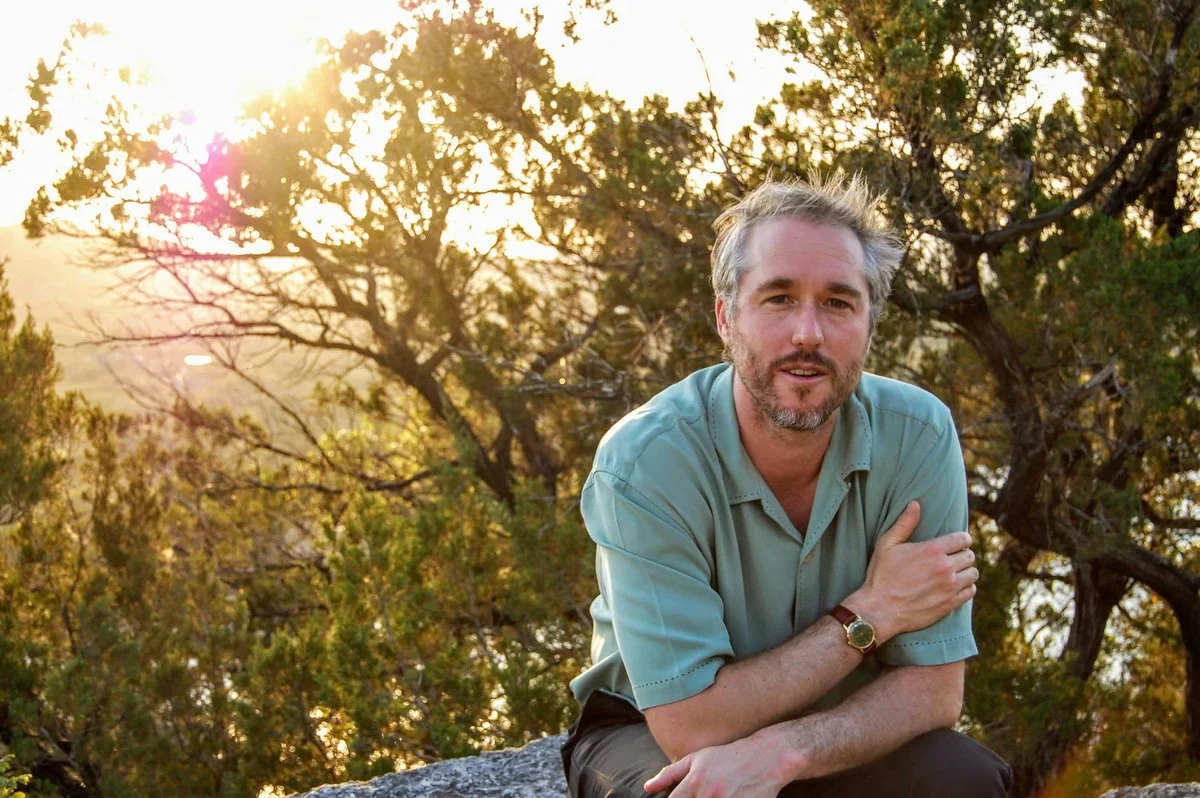
From the spiritual streets of LA to the prolific psychedelia embedded in the melodic memories of Austin, Texas, singer-songwriter and Matt Kivel has been pushing the tonal tides for nearly two decades, becoming a beacon for his generation. Having just finished a small run of stellar shows with Kentucky legends Will Oldham (Bonnie “Prince” Billy) and Ryan Davis (Roadhouse Band, Sophomore Lounge), while simultaneously supporting his latest effort “Escape from L.A.,” it is without a doubt that Kivel’s tender thumb is on the pulse of something extraordinary. While it’s up to us to keep our eyes and ears open and ready for the sonic signals that may pass through, let’s not forget that everything leading up to where you are now made the present possible. And Kivel’s music is a poetic product of those possibilities, and its harmonious height.
First, and foremost, congratulations on the new album! Before we dive into it, how was this recent run of shows you did with Kentucky legends Will Oldham and Ryan Davis? I’m upset I missed the Blue Room gig in Nashville this past weekend, which was also the night the record was released, but I imagine the spring/summer will come on strong. What were some of the takeaways and harmonious highlights?
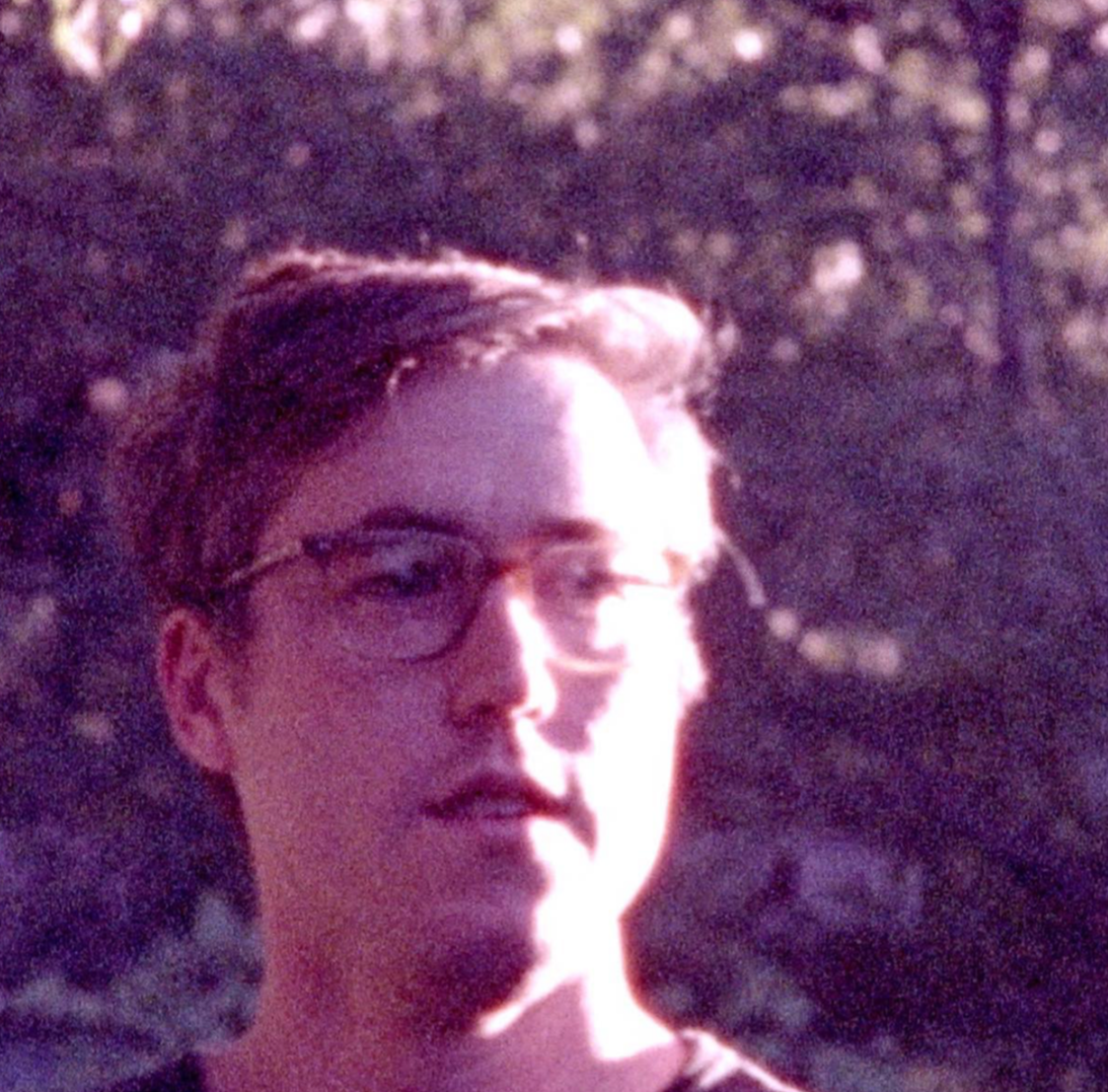
Thanks so much! I’m a huge fan of SPG. It’s such a beautiful publication. All the shows I’ve done over the past few months have been deeply special. I joked onstage at one of the shows that I’m currently specializing in opening exclusively for Louisville songwriters. That’s all I do now! Get the crowd ready for these Louisville geniuses (including Grace Rogers, whom I played with in Louisville at the Monarch). It was said in jest, but the reality is that Will, Ryan, and Grace are making some of the best songs anywhere right now. I would open for them any day. And I think people need to take a much closer look at the city of Louisville to see what a truly supportive, thoughtful, and free artistic community looks like. That scene is deeply nurturing, wildly individual, intergenerational, and just doesn’t give a damn about the internet. It’s everything right about music today as far as I can see. The show with Ryan Davis and the Roadhouse Band in Dallas was epic. It’s amazing to see how their music has just exploded in popularity and connects with so many people. Their audience is awesome too. I have been sort of in touch with Ryan over the years, and he is someone that all music people should look to as an example. He just does his thing. Writes brilliant songs the way he wants, has his own adventurous record label (Sophomore Lounge), makes stunning visual art, and finds time to sell random Gene Clark bootlegs. The guy is legit. The tour with Will and the entire Bonnie “Prince” Billy family is something that will take a long time for me to process. Will’s music has played such a central role in my life. In many ways, the entire Palace discography set the table for me during my college years. The BPB output taught me what the arc of a deeply individual and uncompromising artistic career can look like.

Photo: Becca Baughman
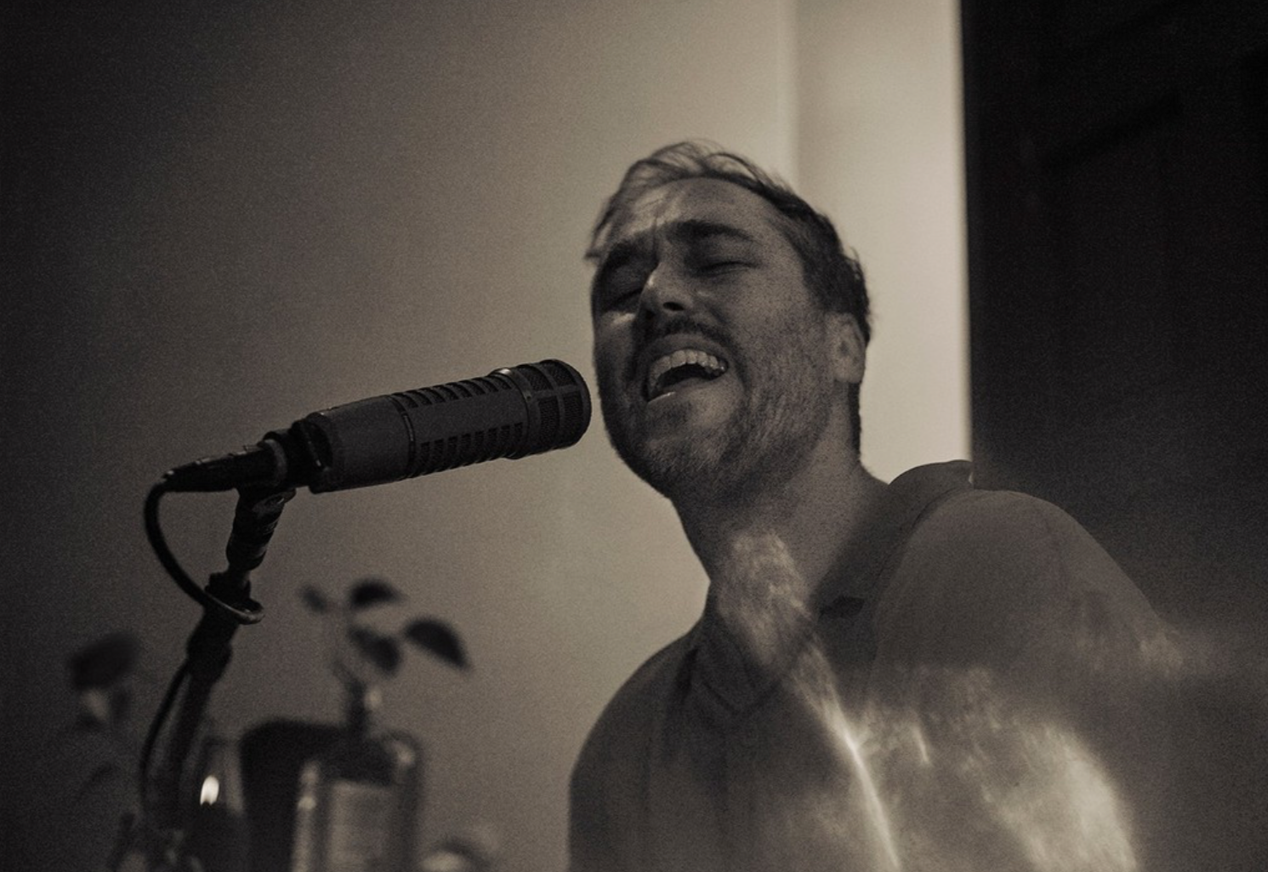
Photo: Oscar Villanueva
We did this tour in the southeast, and every show was special. The BPB crowd kind of tunes in closely to what you’re doing, and on stage, I felt like Zack Wiggs (amazing pedal steel player), and I had the chance to explore and let the music change and transform in unexpected ways. It was the perfect way to share a lot of the new songs from “Escape from LA” and see how durable they were. I’m sorry you missed the Blue Room show! It was insane. David Ferguson played a set along with a whole bunch of other Nashville legends. Having the privilege of sharing the stage with Will and all these heroes was sort of stunning and surreal. It made me want to start working on new music immediately. A couple of random memories… In Asheville, there was this great guy named Kenny Dore (awesome harmonica player, too), who came by the Grey Eagle and sold me his old Gibson Skylark amp. I used it for the rest of the tour, and it created this great crunchy guitar sound that was helpful. Zack and I joined the BPB crew for several songs at the end of each night. I will say that the first time we played Brute Choir/New Partner, I was flipping out and just feeling the emotional weight of the whole thing—those lyrics and the way those songs transformed my life while singing them, was a beautiful form of catharsis. And then, totally random, Zack and I were leaving our hotel in Atlanta, and I noticed in the coffee area the guy (Jon Gries) who plays Uncle Rico in Napoleon Dynamite. Pretty soon, he was joined by the guys who played Napoleon (Jon Heder) and Pedro (Efren Ramirez), and Zack and I were like WTF. So, we went over and talked to them to see what was up, and they were really lovely. Jon Gries plays guitar, and he let me check out his guitar. Apparently, they do a live show together, and were on their way to Augusta. Anyhow, that was a trippy moment that we really enjoyed from the tour.
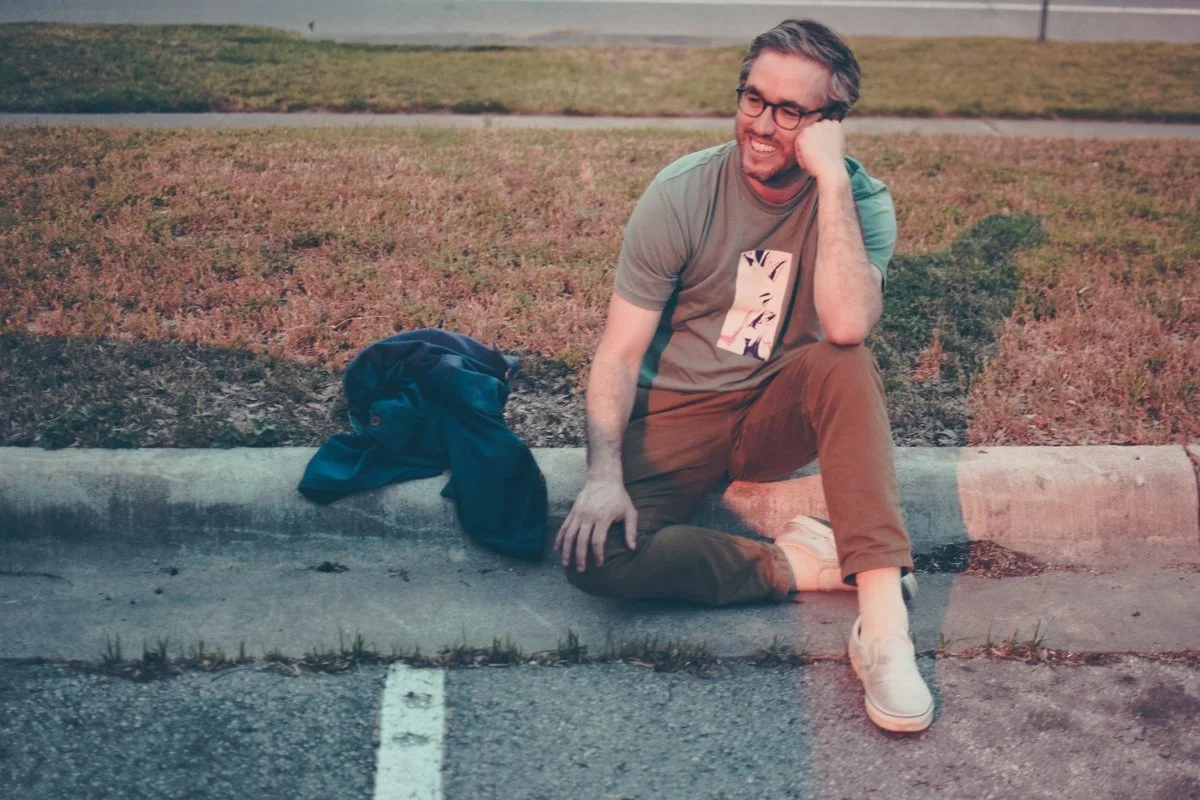
Photo: Becca Baughman
You’ve been hard at your craft for well over two decades, having released several wonderful titles over the years like “Days Of Being Wild,” “Last Night In America,” and 2022’s “Bend Reality ~ Like A Wave.” With each record leading to the next, what are you most proud of when reflecting on some of your earliest works?
More than anything, I’m proud that the songs still feel sturdy to me for the most part. Each record is quite different, and I tend to move away from sounds and structures at a rapid clip. I get hooked on new ideas, and it feels a bit scattered in my mind. But when I think back on all these records, they all somehow feel unified, and I don’t feel afraid to play anything from any one of them. So that’s the part I’m proud of. The music feels uncompromised and reflective of a specific vision, and time that has aged decently well. I will still probably always go back to my first album, “Double Exposure,” as the one that means the most to me. I had been in an indie band (Princeton) basically since high school, and I was terrified of doing something solo, but I also knew that I wouldn’t be able to explore the themes I needed to in any other way. So I secretly recorded the album with my friend Mark Nieto, and it was much darker than anything I had made before, but it felt right. That kicked the door open for me, but when I look back on all the albums, there is a lot that I still enjoy. The radical one-two punch of “Janus” (recorded with Alasdair Roberts and a bunch of folk legends in Glasgow) followed up in the same year(!) by a double LP, “Fires on the Plain,” recorded in LA that was just wild and insane with like 30 people on the album – jazz cats, folk legends, experimental drummers, noise musicians, etc. I really love “Last Night in America” and “That Day on the Beach,” which are submerged in this ethereal numbed-out, narcotic vibe. I can’t ever make music like any of these records again, so I’m just glad they’re there hanging out for people to discover.
Upon listening and taking in your most recent effort, “Escape from LA,” I realized just how personal and truly transcendent this material is. What was the overall process and approach to bringing this album to life? There are so many topics and existential quests buried deep in its fibers. I’d love to know the backstory and what it ultimately took for you to channel these songs.
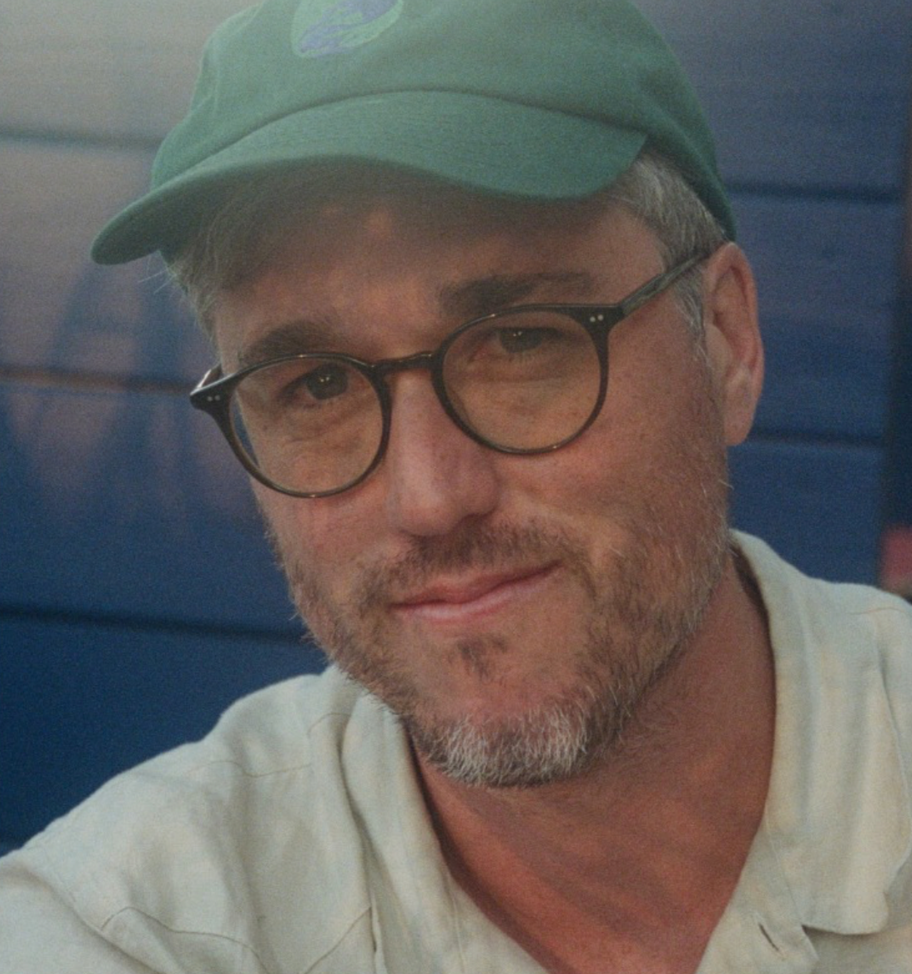
This record took way too long and almost didn’t happen at all. You mention “quests” on this record; that’s the perfect word. Do you remember in the movie Vacation when Chevy Chase, after losing his mind, turns to his family in the station wagon and says, “It’s a quest! A quest for fun?” He has this mad, deranged look in his eye, and everybody is terrified because they’ve almost gotten lost and killed and really just want to go home, but he won’t let them. That’s basically me with this album. Griswold, in many ways, is my spirit animal. In 2017, I came up with the basic idea for “Escape from LA.” I was going to write a bunch of songs that were completely autobiographical and drawn from my life in LA. They would be character studies with no embellishment. I didn’t realize how difficult and uncomfortable that would be. I was too precious with everything. I had a hard time letting things go or making decisions because it all felt too personal. And so I just kept writing songs, and the years kept going by, and I even made a bunch of other records in between. I probably had almost 30 songs in total for this record, including a title track called “Escape from LA.” Most of it got scrapped or rearranged along the way, and then I ended up doing recordings in New York that kind of went nowhere. I was ready to give up, but I met a guy named Don Cento when I moved back to Austin from NYC, and he was such a good producer who actually took time with me, coached me, and made rational decisions while we were in the studio.
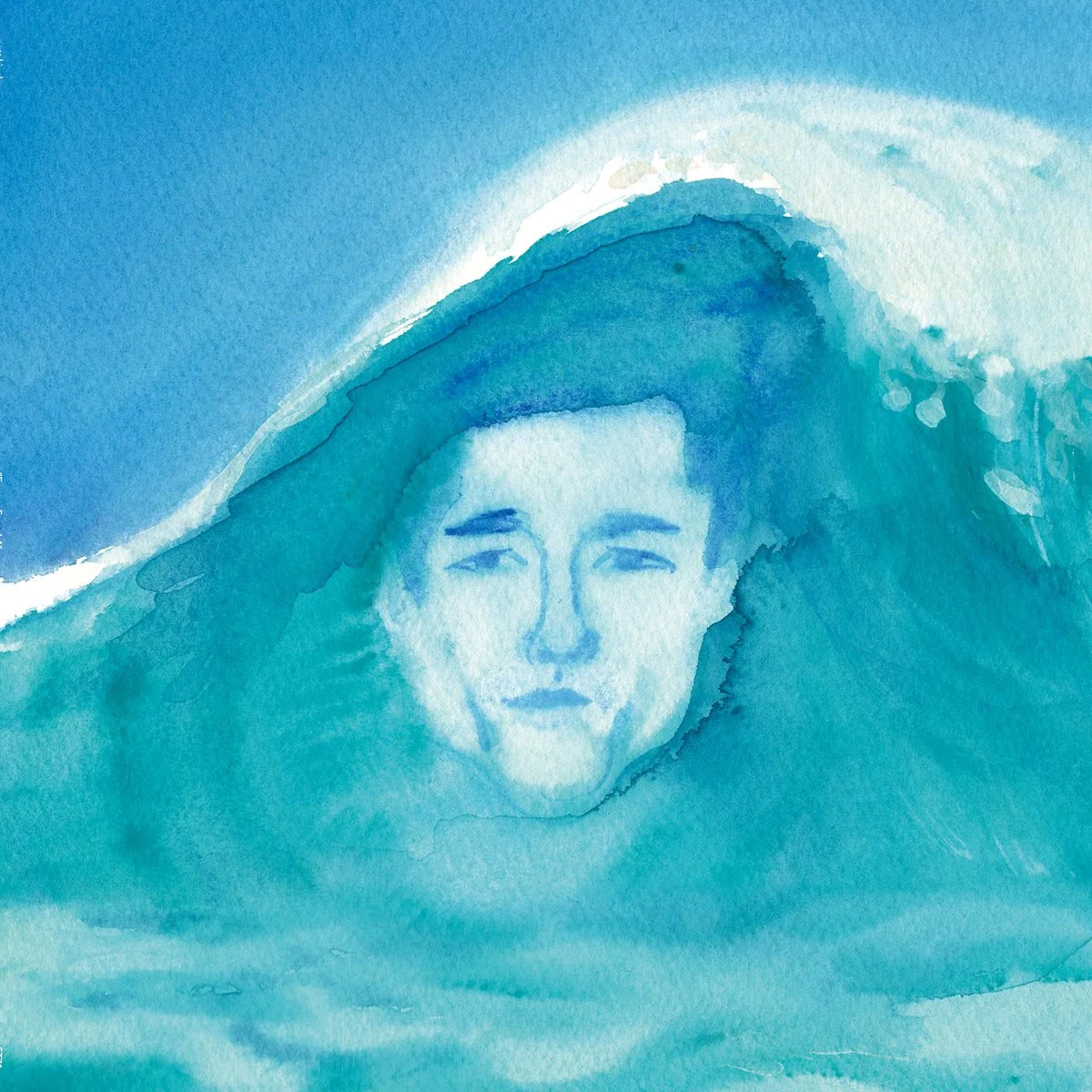
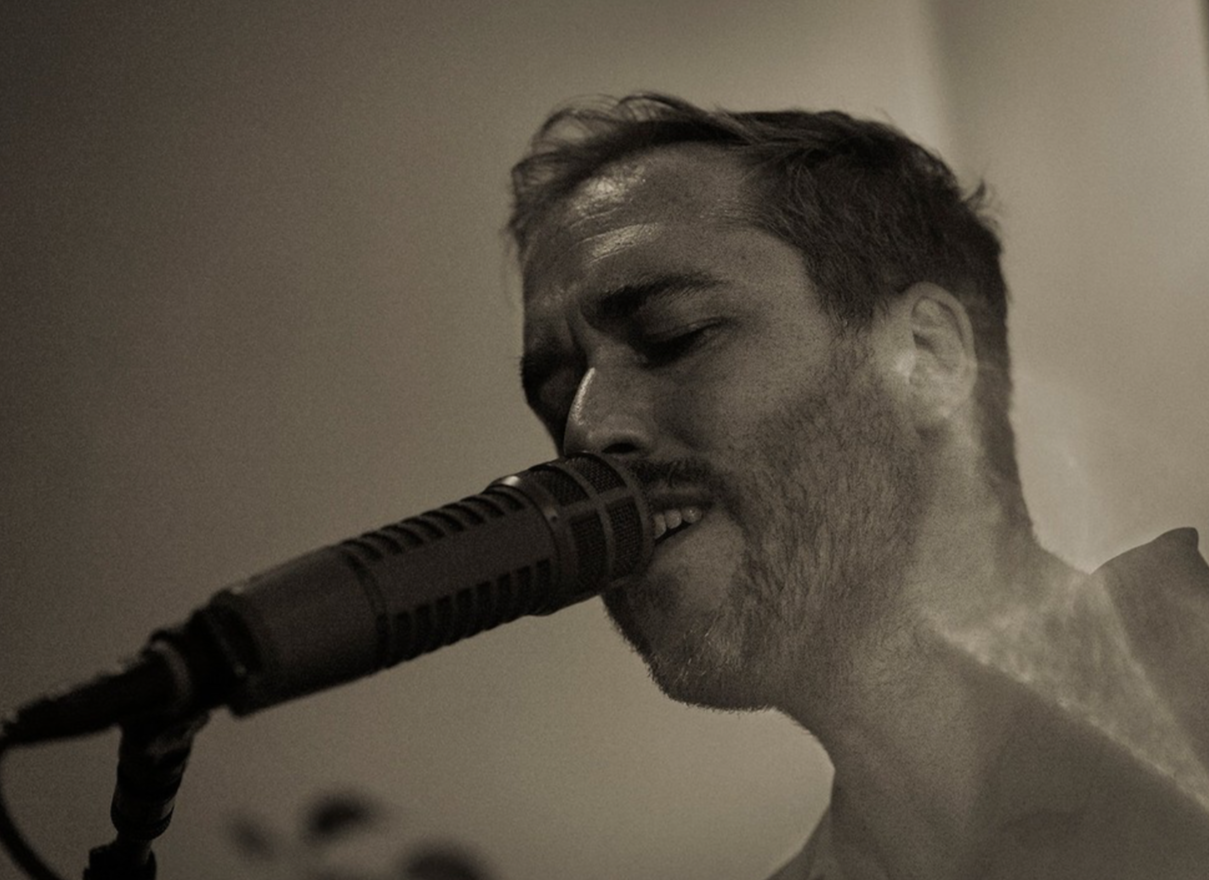
Photo: Oscar Villanueva
He recorded the “Bend Reality - Like a Wave” album, and then almost immediately after that, I started working with him on “Escape from LA.” I commissioned Sean Mullins and Adam Brisbin to record some rhythm tracks for the record out of a New York apartment. Those rhythm tracks were the key. Once we had them, we built most of the record around those little frameworks that they had rendered so magnificently. Then the doors opened, and a whole bunch of random people started pouring into Don’s studio from the Austin scene to record, overdub, and bring this thing out of the gutter. I remember lying on the ground in the studio recording this Casio synth that had a fake wave crashing sound on it. As we were doing the takes of this really crackly fake wave sound, I was like, we’ve got it. This record is gonna finally happen. I’m just a stubborn person, I guess. At one of the shows, I was talking with the members of Ryan Davis and the Roadhouse Band, and we were discussing being indie music lifers. And somehow we landed on another metaphor for what we are all about – that of the demonic bad guy in a horror movie. Like, whether you like it or not, Michael Myers, no matter how many bullets you unload into his chest or knives you stab him with, will keep methodically moving forward, like an indestructible, dead-eyed zombie. That’s what it takes to be a music lifter, and I know many people who know what it feels like to have all their hopes smashed and things really fall apart in their lives, but they just don’t stop because they’re a crazy music zombie who will never die. That’s what I want to be too.
There are so many incredible musicians on this record, like Jana Horn, Eamon Fogarty, Alex Dupree, and Matt Johnson, to name a few. It’s honestly mind-boggling! How did you go about involving certain players, and what was the overall chemistry like sharing this material with everyone as they figured out their individual parts?
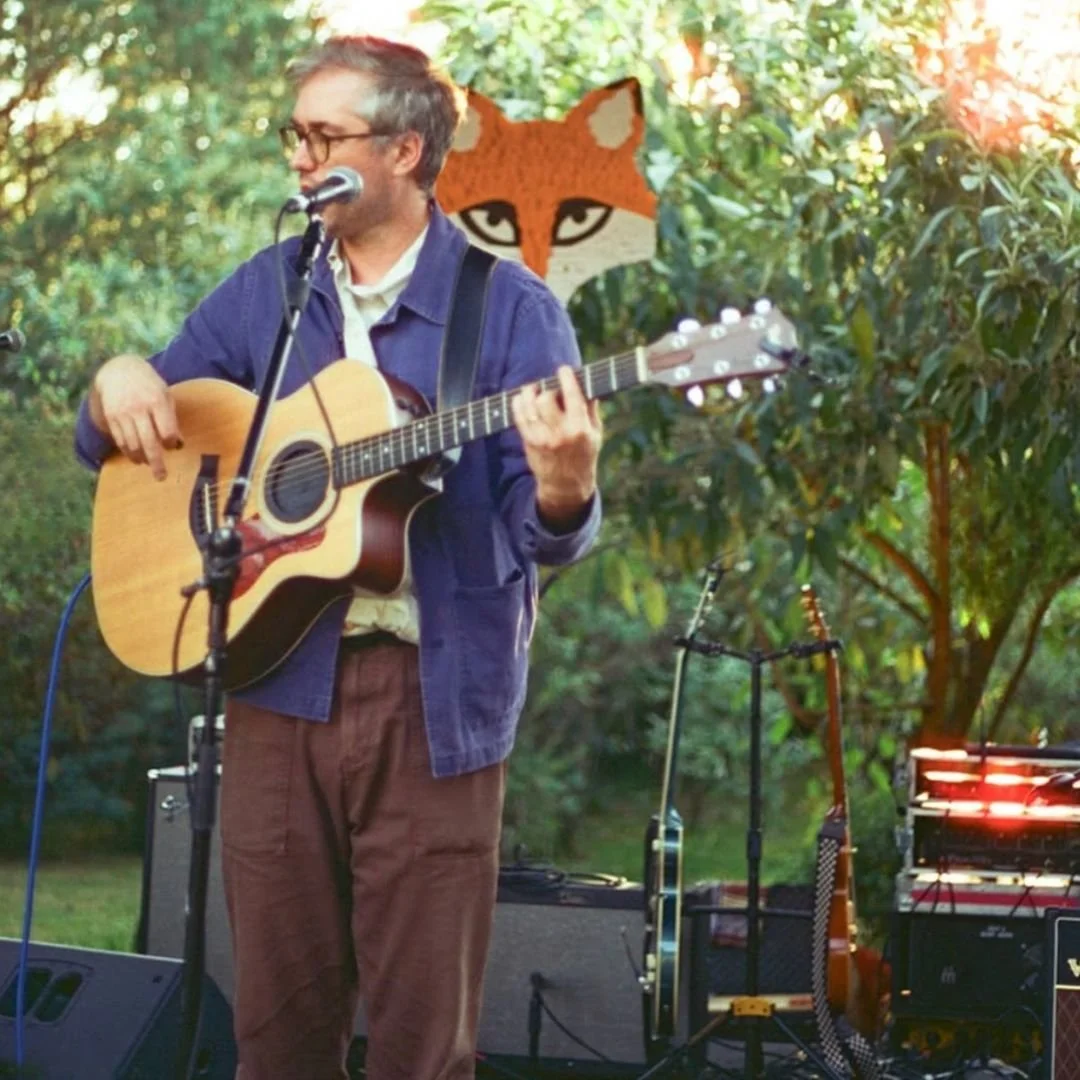
Photo: Lucía Toledo
It all started with Adam Brisbin and Sean Mullins doing the rhythm tracks. I was introduced to them by Dan Knishkowy from the Adeline Hotel. Together, all of us, along with Madi Diaz, Andrew Stocker, Andrew Maury, and Ben Seretan, had formed a kind of deranged supergroup called The Shutdown, which recorded a massive-sounding romantic classic rock record called “No Twilight.” It sounds like burning rubber and broken hearts on a two-lane highway. Hopefully, one day the album will be released because it rips. Adam and Sean started it off, and then other collaborators came. Alex Dupree is my buddy and such a wonderful musician. He is an intricate and thoughtful songwriter and, actually, an unbelievable singer too. He joined me on “Vampire Weekend” and made that song pretty special. Matt Johnson, having him in the studio was really trippy. He is a genuine hero. Like, he played all the drums on Jeff Buckley’s “Grace.” Enough said. He was the sweetest man with wonderful ideas and a very versatile sound. Jana is very cool. I’ve hung out with her a couple of times in NY, and she is one of my favorite songwriters right now. It was cool to do a full-on Everly Brothers-style duet with her on “Some Boys.” She is one hell of a songwriter. Eamon is totally brilliant. He played a much bigger role on “Bend Reality,” where the formula for that album was like, “here’s the song, let Eamon play any instrument he wants over it… We’re done.” But he does some really cool stuff on “Escape From LA.” Especially his fretless bass on a song that got cut called “Cheerios.” One day, that song will come out. And then Matt Galceran on electric guitar, holy crap! That guy is an absolute monster. I once went out to a show at Sagebrush in Austin, opened the door, and the first thing I heard was his guitar blazing through the PA. I immediately ran over to the side of the stage to witness this mad scientist with a crazy pedal rig just ripping the most tasteful, perfectly arranged punk/psych riffs. He went nuts on “Escape from LA,” and pretty much any amazing guitar thing you hear is because of him. And there were several others like Bill McCulough on pedal steel, who deserve shoutouts. If I didn’t name you here, I’m sorry!
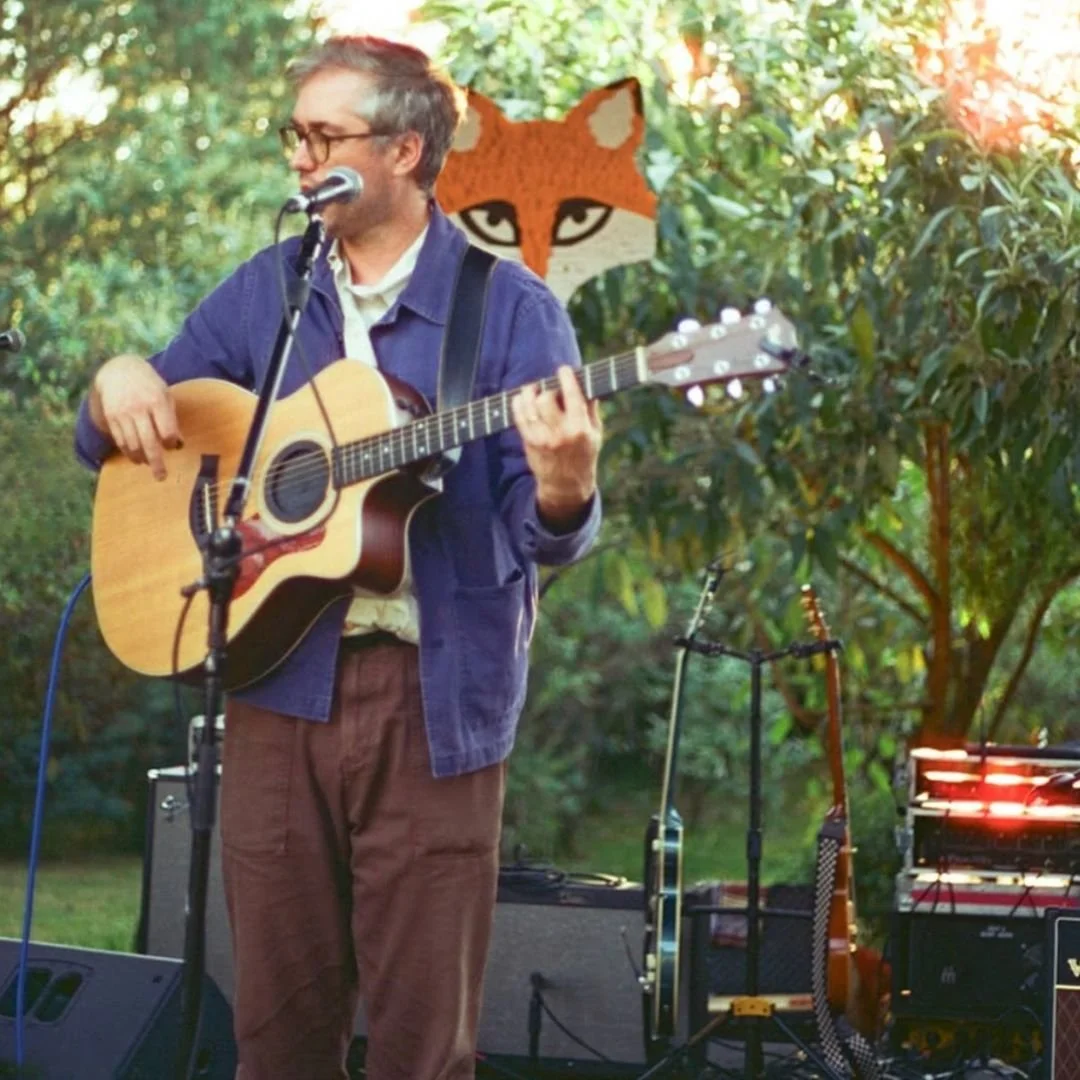
Photo: Lucía Toledo
I’m also curious as to how you approached this record in comparison to your past albums, and what was most important for you to achieve and express with this album. Any plans for the holidays and for the coming year? Is there anything else you would like to share further with the readers?
The most important thing about “Escape from LA” is the depiction of the city and my life there. I don’t think people understand LA as a hometown. They think of it as a place you visit or move to if you have some crazy ambition or fantasy. But for me, it will always be my hometown. And when I hang out with people who come from small towns, I’m always surprised at how similar our feelings are about the places where we grew up. I wanted to describe the weirdness of Santa Monica, and the uneasy blend that was happening there between Hollywood people and the true Santa Monica lifers in the ‘90s. There is a lot of wealth and opulence, but also violence. There was a darkness set against a kind of brilliant backdrop of perfect weather, and I wanted to make songs that captured the feeling. I will always have a lot of love for LA. It is a complicated place where you spend so much time in your car, and that disconnects you from other people, at least in the moment. It was enriching to look back on my time there and make all the connections between these disparate people and moments in my life long after the fact. On a metaphorical level, I was envisioning myself as Kurt Russell on the tsunami wave in the movie Escape from LA, riding something mythological and impossible and chasing down Steve Buscemi (i.e., my remembered life) in the process. As for plans for holidays/coming year, I have one last show at Community Garden in Austin on December 12, and then my wife Emily and I are going to rest and hang out. We have several changes planned for 2026, which I can’t get into now, but we hope to have some very low-key days at home in Austin with our cats for the remainder of 2025. Thank you to your readers for supporting this great publication and for caring about music in a thoughtful and considerate way. The music world has been flattened out in so many ways, and it’s great to see you pushing back and supporting independent music writing and music. The streaming companies want you to listen to their playlists and allow autoplay to generate the next song (or movie or whatever) that you hear. If there’s one thing I want you to take away from this interview, it’s never allow autoplay to decide what you consume. Make those choices for yourself or let really cool people, like Dakota at SPG, guide you towards beautiful things.