The Paul Kelly Interview
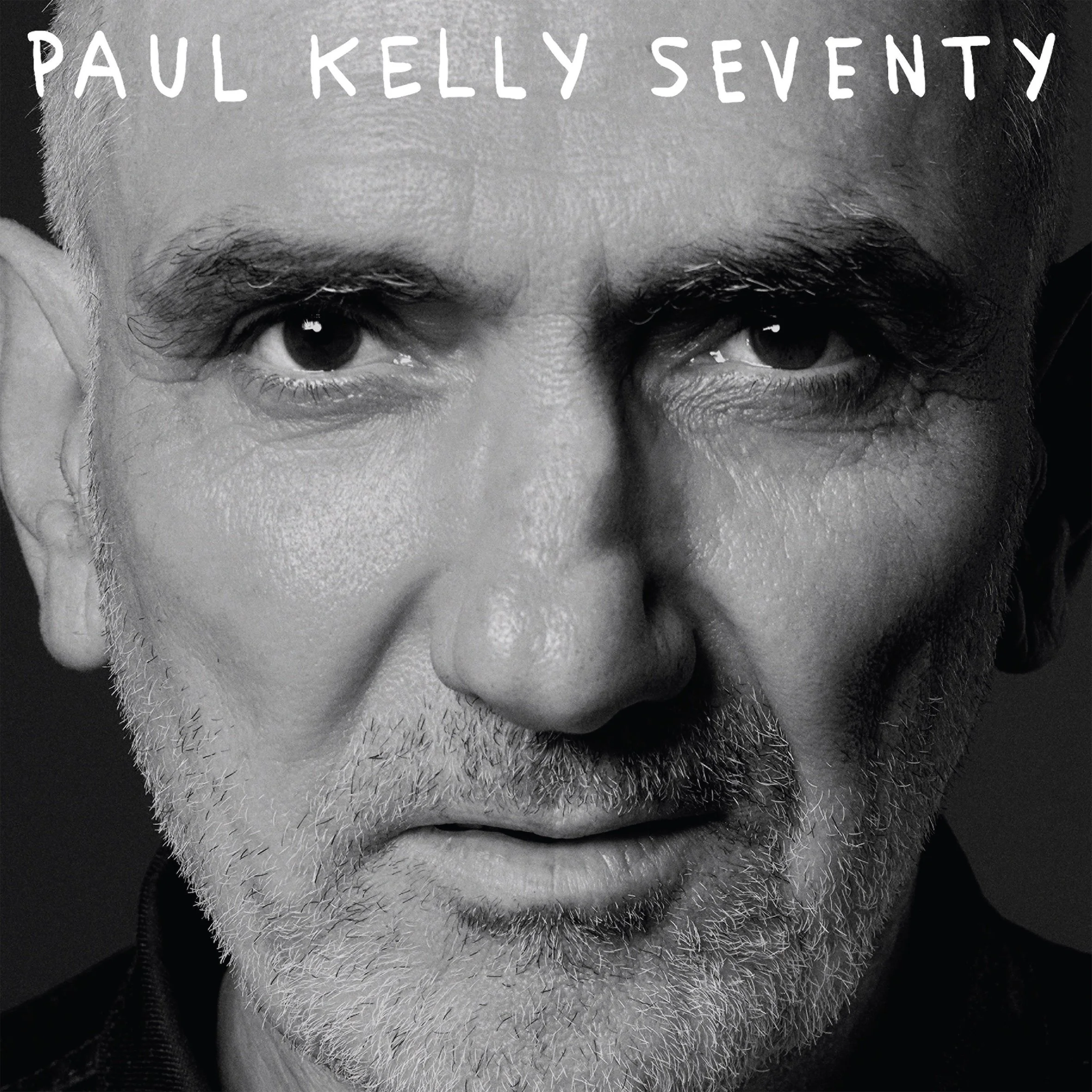
For over 40 years, Australian-based singer-songwriter, poet, visual artist, and all-around champion of creative culture, Paul Kelly, has inspired several generations of musicians and artists through his iconic intensity, prolific power, and atmospheric ability to shapeshift like no one else before him. From the Dots, Coloured Girls, and the Messengers, Kelly’s output transcends his contemporaries by setting the spiritual stage where boundaries are beautifully blurred, and the cosmic curtains are pulled back only to reveal a master at work. Kelly’s most recent album, “Seventy”, explores themes like sex, death, love, grief, memory, friendship, and having “lived a long time.” Its overall capacity to explore the human condition is borderline religious, as the veteran songwriter's sincere testament takes shape across the album’s 13 tracks. There’ll never be another Paul Kelly, and thank God he exists in the first place.
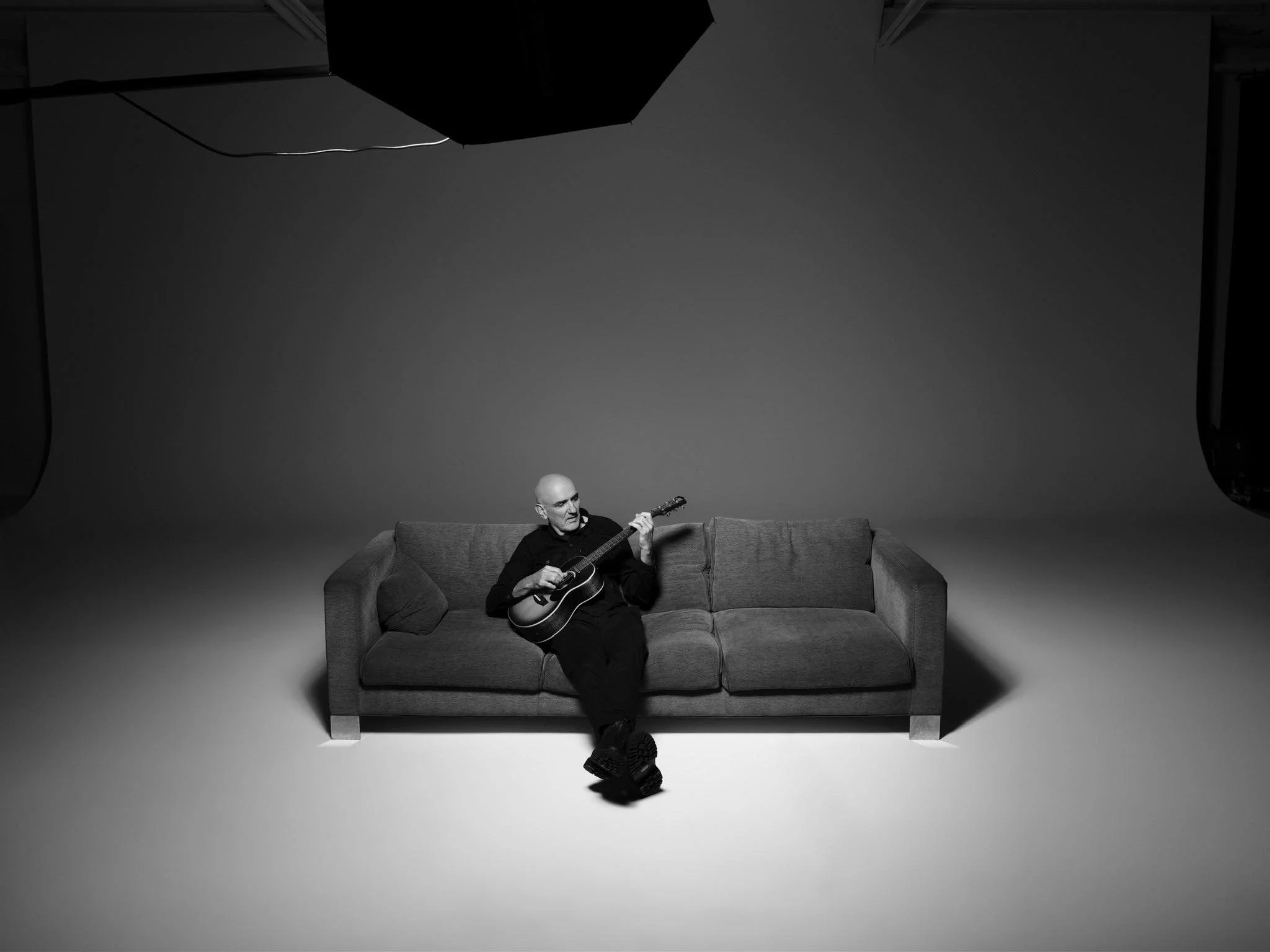
Photo: Dean Podmore
First, and foremost, congratulations on the new album! In this day and age, I think folks sometimes forget just how difficult it is to bring something, especially music-related, into the world from a place of personal experience. Has that become easier or less complicated over the decades when laying out the blueprints of an album?
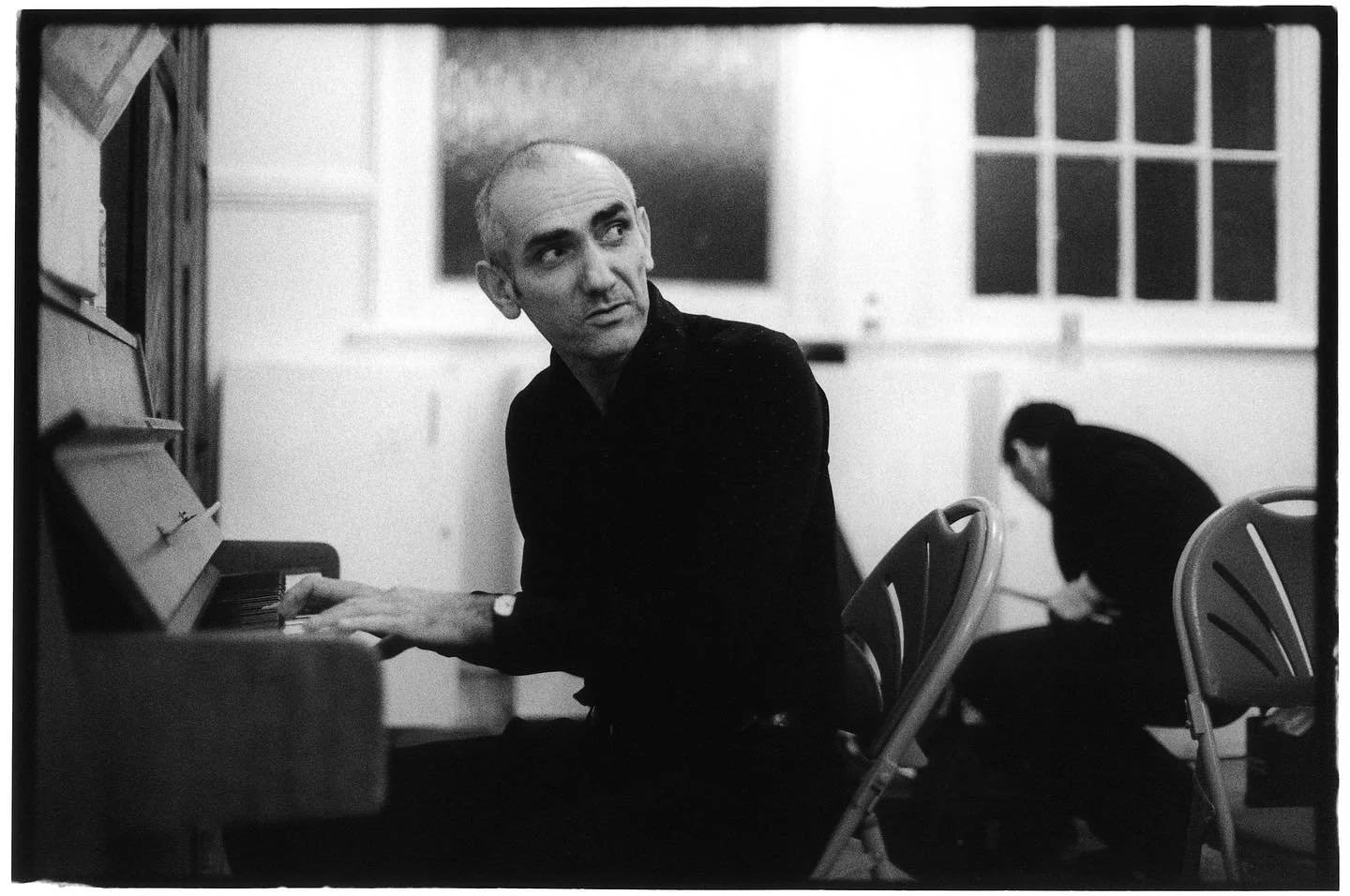
Photo: Bleddyn Butcher
Thank you. I never really have a blueprint for an album. I usually get my band together once a year for a week or a fortnight to record any songs I have. The songs come slowly, one by one, and they’re not usually related to each other. When I take them to the band to record, we try to make each song its own world. We’re not thinking of an album, just songs. It’s only later on when I trawl through songs from various recording sessions that I start to get a sense of which songs are talking to each other. It’s a bit like playing with a puzzle, slowly making the connections.
Similar to movies going straight to streaming, what are your thoughts on the different stages of music from its initial release, hopefully on physical media, to a streaming platform where it lives for the majority of people’s listening experience? You mentioned that this is your most varied album yet. Coming from a career that is so culturally captivating and poetically prolific, I’m curious as to how this particular body of work differs from the many before it. Exploring topics such as age, trauma, the soul’s reflection, and just how much the past bridges the present, what was most important for you to achieve and express with this material?
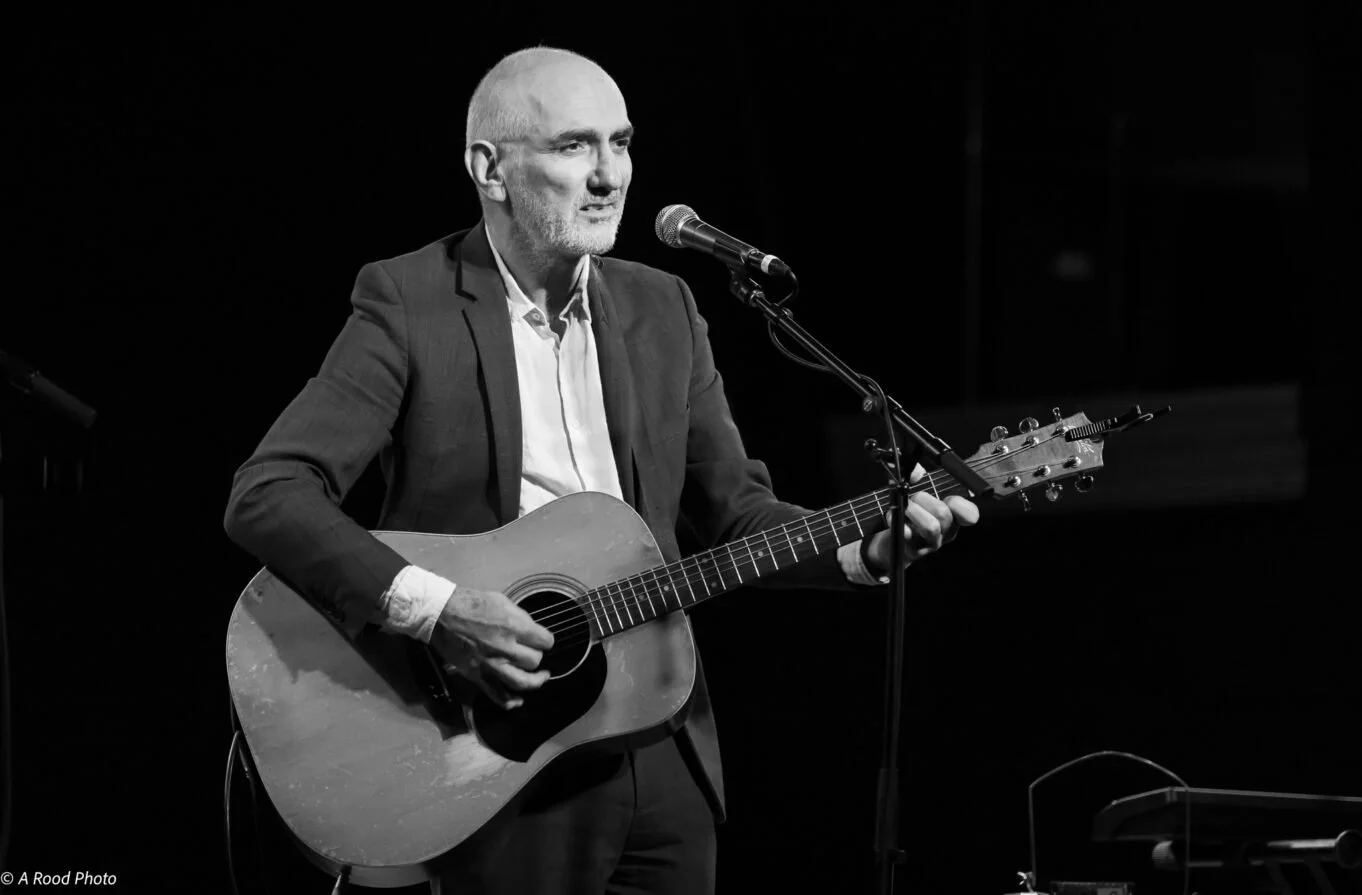
Photo: A Rood
I have a record player, a CD player, and even a cassette player. I also stream. I like all formats. Streaming is ideal for listening to music that people have recommended, making it a great way to discover new music. It was much harder in the seventies when I first started. I was often traveling, so I’d tape my friends’ records onto cassette and carry a little cassette player with me. I still have heaps of those tapes and compilations that I made tape to tape. Love that hiss! I never set out to ‘express’ anything when I write. I’m just trying to get sounds and words to fit some chords I’m playing with. I don’t really know what’s happening with a song ‘til it’s on the way. There’s always something that takes me by surprise, that comes at you sideways and then, suddenly, you’re off, trying to hunt the rest of it down. The music on the record has a great deal of variety. We like to range far and wide. Lyrically, though, I don’t think things have changed that much. I’m still hammering away at the same things I always have – sex, death, love, grief, memory, friendship. Having said that, several songs on “Seventy” explore the theme of having lived a long time. “Ada Mae,” “Take It Handy,” “I’m Not Afraid of the Dark,” for example. “Sailing to Byzantium” sits well with those, though I didn’t write the words to that. W B Yeats did. It’s a lovely thing to have a great set of words to start with because, for me, words are the hardest part. “The Magpies” is another poem I set to music. On the page, it’s similar to a song lyric. That came very quickly! The Scottish poet Robbie Burns once wrote, ‘I rhyme for fun.’ So do I. Songwriting is simply play. You never know what’s going to happen. And that’s the way I like it.
“The Scottish poet Robbie Burns once wrote, ‘I rhyme for fun.’ So do I. Songwriting is simply play. You never know what’s going to happen. And that’s the way I like it.”
I’d love to know a little bit of the backstory to songs like “Rita Wrote a Letter,” “I’m Not Afraid of the Dark,” and “I Keep on Coming Back for More.” With every record leading to the next, what are you most proud of about this record? I understand you have a massive AUS tour coming up. Is there anything else you would like to share further with the readers?
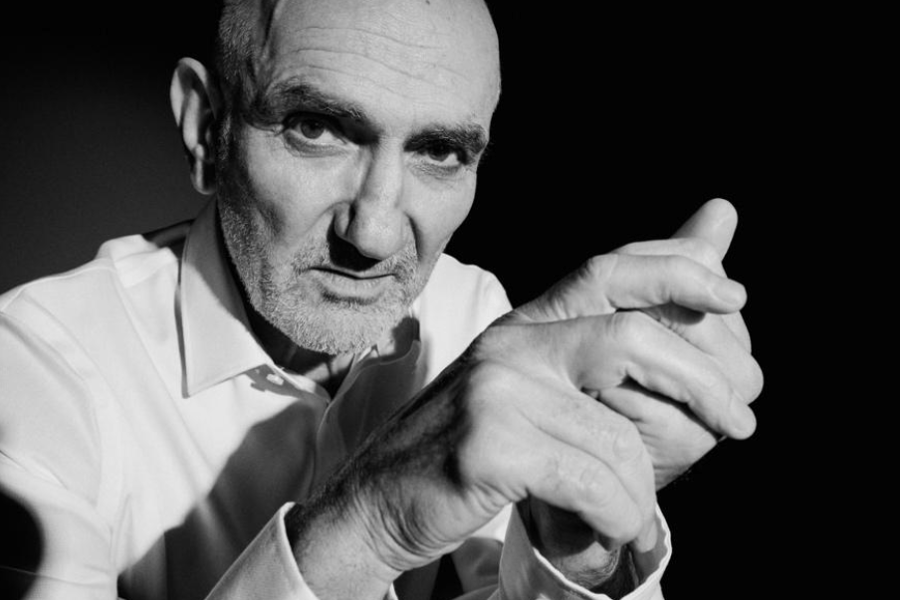
Photo: Dean Podmore
Rita Wrote A Letter: I’ve been mulling over the idea of a sequel to “How To Make Gravy” from Rita’s point of view for quite some time. She only gets passing mentions in the original. About five years ago, I wrote down the words, “Rita Wrote A Letter,” and thought, ‘There’s my title.’ I scratched away intermittently and fruitlessly for several years, but never got very far until my nephew Dan Kelly, who’s in my band, sent me a recording of something he’d written on piano with a rough melody over the top. The words started rolling after that. As often happens, as I said above, they took me by surprise. You could say the song took a dark turn, but it was a lot of fun to write. Who doesn’t love a ghost story? Ironically, though you hear Rita’s voice loud and clear in the song, Joe talks even more. I couldn’t shut him up! I’m Not Afraid Of The Dark: It was written 13 years ago for a collaboration with a student orchestra and classical composer James Ledger. It’s on a record called “Conversations With Ghosts.” (Ghosts again!)
I know I had the title first, so the words came from imagining someone very close to the end of their life. I had the song in my back pocket to throw to the band last time we were in the studio. I knew they would bring something different from it. They did. Ash started playing a Velvet Underground-type rhythm guitar, and we were away! I Keep on Coming Back for More: Musically, it is influenced by The Roots. Lyrically, by two of Shakespeare’s sonnets, number 147 and 129. My love is as a fever longing still For that which longer nurseth the disease (Sonnet 147). A bliss in proof, and proved, a very woe Before a joy proposed; behind a dream. All this the world well knows, yet none knows well To shun the heaven that leads men to this hell. (Sonnet 129) And I didn’t realize until someone pointed out, that it owes a little to the bible, too: As a dog returns to his vomit, so a fool repeats his folly. (Proverbs 26:11) We’re doing regional shows around Australia, January through May, and then I’m planning a long rest!