The Jana Horn Interview
Everyone needs a push in life to reassure them that there’s something worth pursuing once you transcend the obstacles and emotional elements that lie ahead. Austin-based singer-songwriter, Jana Horn, has creatively conquered those harmonious hardships of being a musician with her most recent, self-titled effort, and highly anticipated follow-up to 2023’s “The Window Is The Dream”. While carefully navigating the terrors and madness of our current times, Horn finds blistering balance in her poetic process by leaning into herself and relying on the soul’s sonic connection to share, grieve, express, and manifest the subjects within.
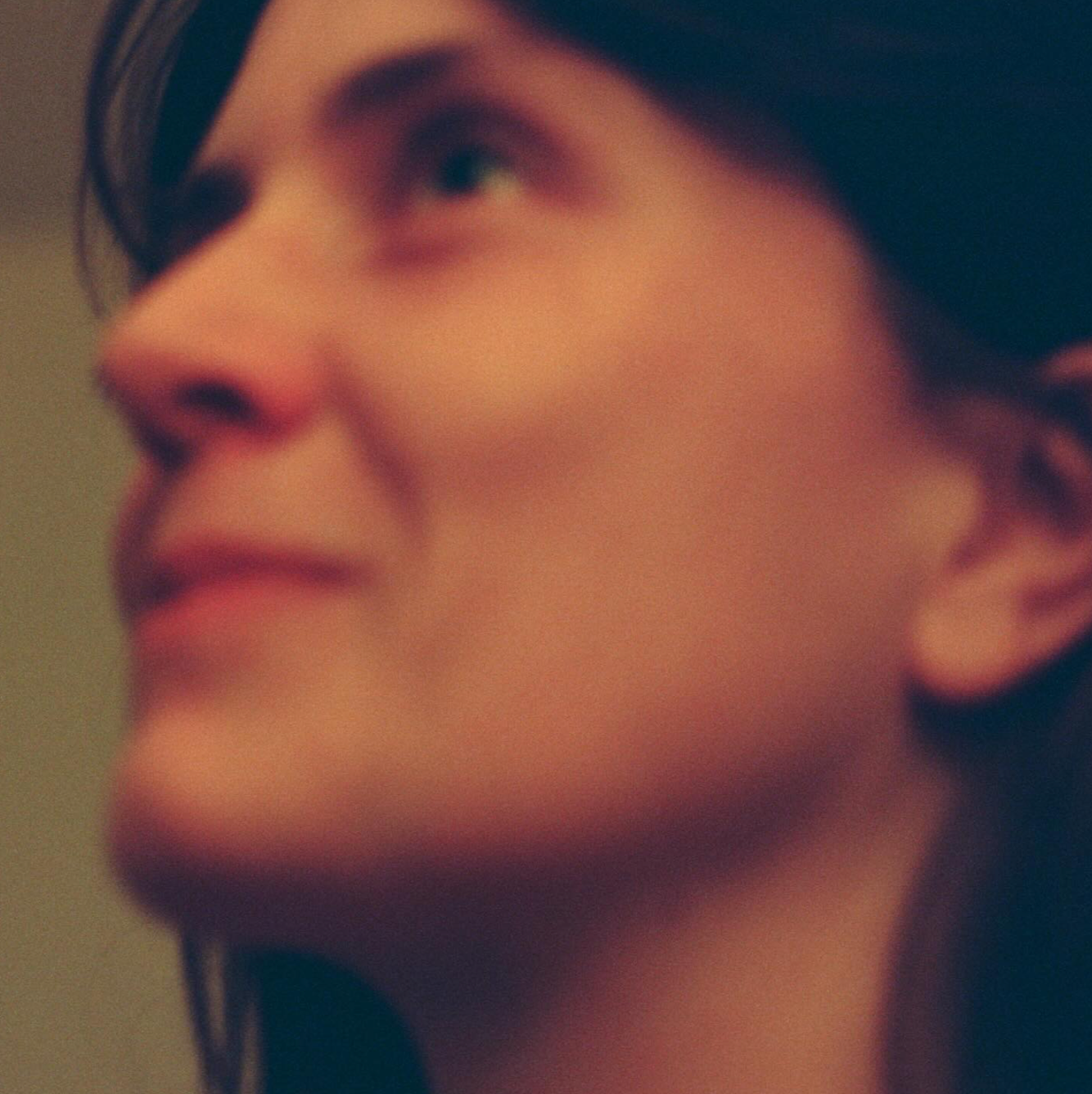
Growing up in Austin, TX, a legendary location that needs no introduction, how did you initially connect with music? I’m curious, was there any influence from the 1970s outlaw country, the psychedelic scene of the decade before, or the punk/indie movement? Growing up outside of Nashville, maybe it's the same as someone asking about the Grand Ole Opry, but music is fun that way!
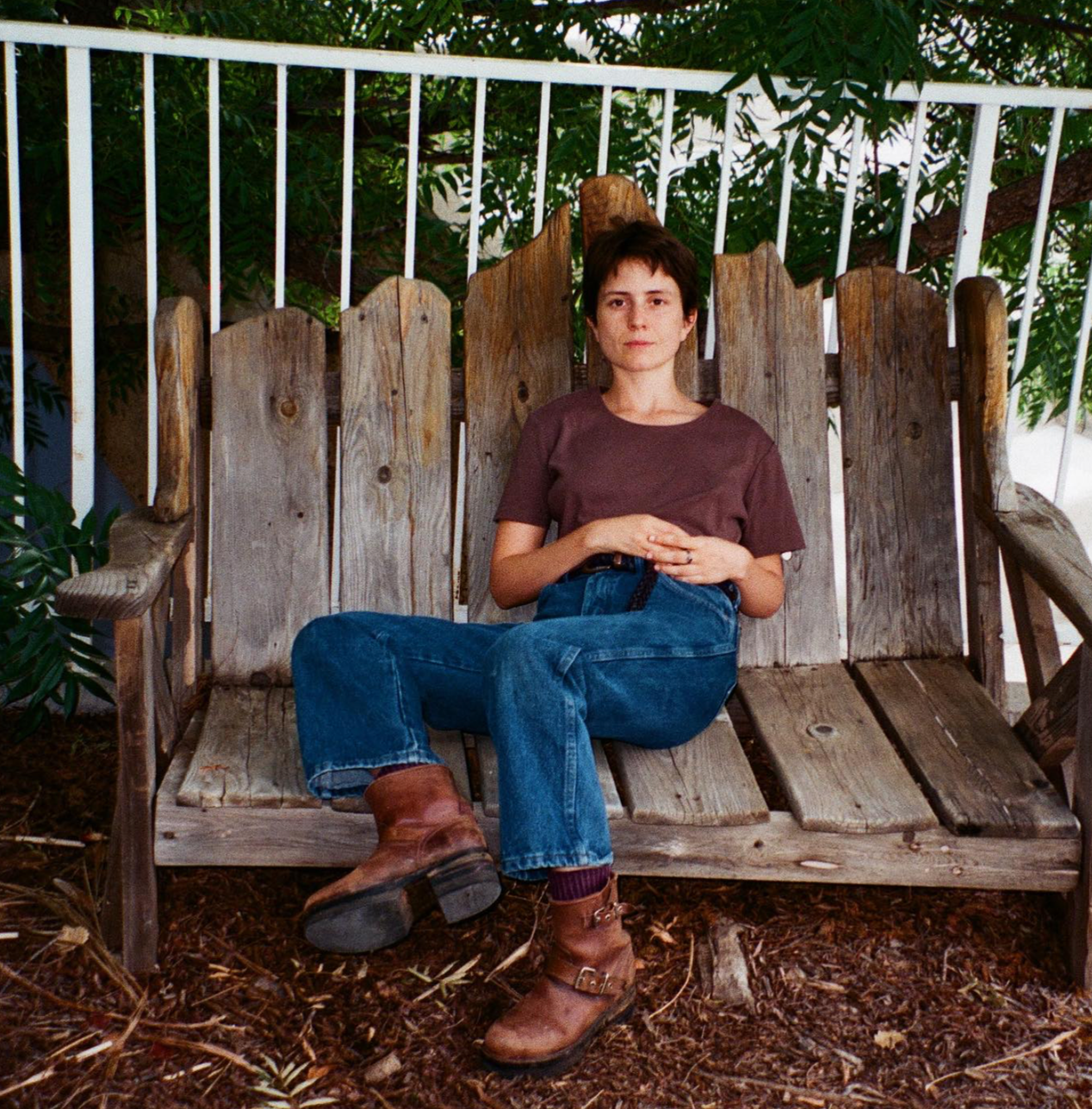
I grew up mostly listening to country and pop radio, with a real fascination for lyrics. I loved to memorize and would be singing along before the end of a song. The words were really all I listened to. I liked Eminem, Weird Al, and anyone doing something vaguely literary. My exposure to alternative music came from screamo that my older brother and his friends were listening to. We’d go to hardcore shows, and I’d be in the mosh pit hoping no one would elbow me in the braces. In high school, I had a group of friends in the bigger neighboring town that listened to the Austin band Okkervil River, Neutral Milk Hotel, and Laura Marling. I got really into Leonard Cohen. When I started recording things in my bedroom around this time, these were my references. I liked them the most, but I also wanted to impress my city friends. I’ve always made music for someone. After moving to Austin for college, it was like a different country. Everything I was introduced to took a minute. There was Daniel Johnston, and others not from Austin but who nonetheless had a huge influence on the scene, like Willie and Blaze. “Clay Pigeons” was and is huge for me. A friend made me mix CDs of Harry Nilsson, Broadcast, and Devo, which I remember finding difficult at the time, but also really wanting to grasp them. That’s the best, I think. When you don’t get something at first. And maybe you don’t even like it because of this disconnection, but for some reason, it’s not easy to let go of, because it’s about you and not about the thing.
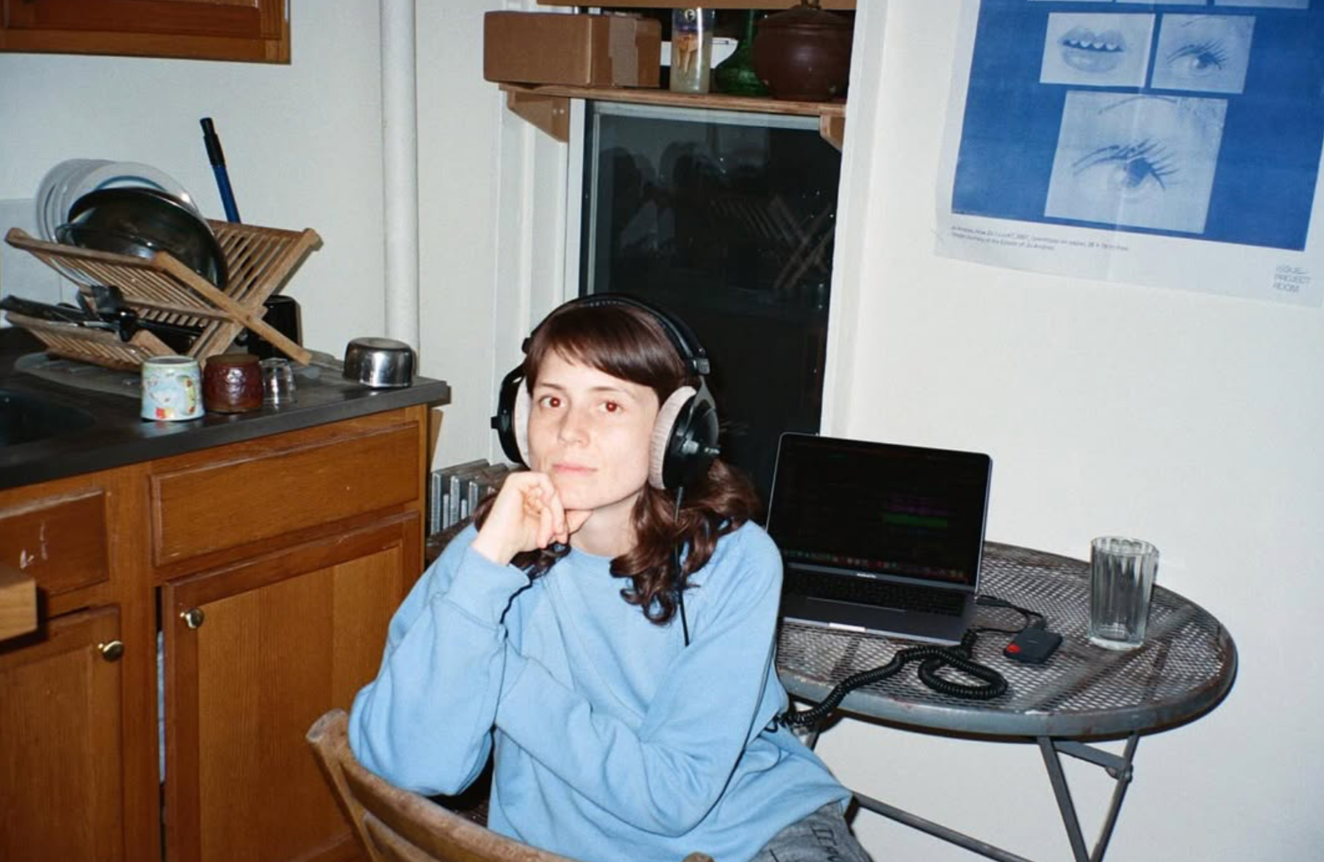
Prior to your solo efforts, you participated, and still do, in bands like American Friend, Knife in the Water, and Reservations. Tell me about those early days and how, in retrospect, these experiences and events have led you to where you are now in your career.
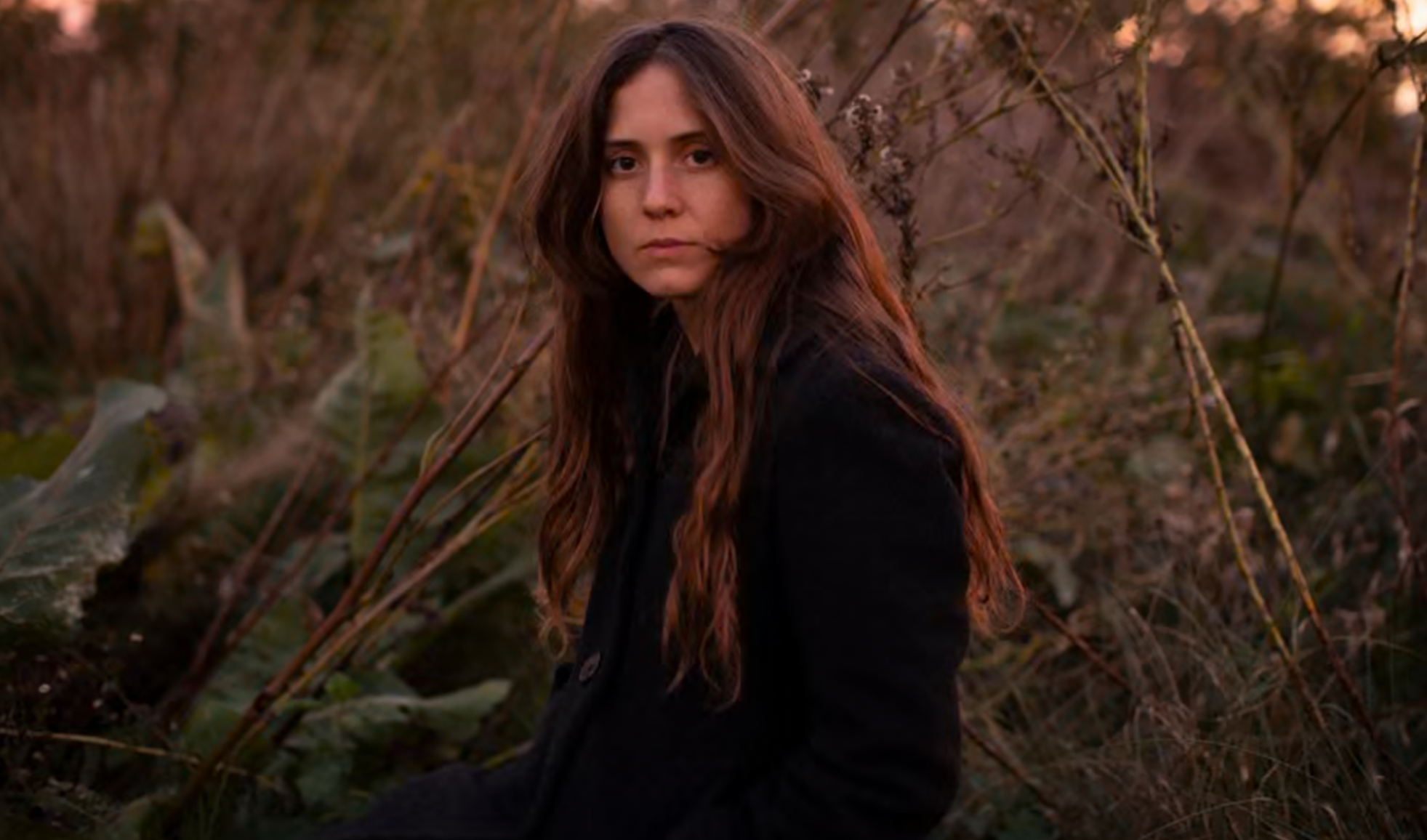
Photo: Jacob Blickenstaff
Reservations were the start of my time in Austin. I was eighteen, working at American Apparel - a very insane place, but where I made many friends - and I’d shared a CD of some demos with a coworker who, to my surprise, took them seriously. He was older and a real musician, and I just figured he would have seen through me. The drums were me hitting my fists against my laptop. That’s where it began, in between the racks of clothes. He introduced me to a guitarist named Paul, with whom I’d start Reservations, and later we started playing with Jason on drums. It was a very formative and exciting time for me, learning in real time about recording, touring, and the “music industry.” I’ve had to unlearn some of that, too, of course, but mostly it was just really affirming to be taken seriously as a young person. I can say the same about some teachers who’ve affected me similarly. After graduation, I started singing in the slowcore band Knife in the Water. They have such a legacy in Austin; it was an honor. It made a big impression on me - music that was that unapologetic and sure, almost violent. I was writing songs for a solo album at the time, which Knife ended up being hugely integral during that process. Aaron, the frontman, made it all happen and was in the studio with me most of the time. He and Vince, the bassist, both played on it, and Bill, the pedal steel player, took the photograph for the cover.
It was like I had a little team. I self-released this album in 2020, and didn’t really look back. Pretty quickly, I started playing under the name American Friend, after the Wim Winders’ film, with my partner Adam. I was feeling insecure about releasing songs under my name when other people were very much involved. The name change felt more honest to me at the time, but it also freed me to let whatever happened musically. It wasn’t “me.” At some point, our friend Sarah, a member of the band Chronophage (legendary among the DIY/punk scene), joined us on bass. I think we had a couple of shows before the pandemic hit. I still really love the songs we made. Very Young Marble Giants-y, though I hadn’t heard of that band yet. We recorded a 7” and a tape, and then I went to grad school for writing, Sarah went to school for nursing, and Adam moved to New York. When I left for school, I had no real plans to continue making music. I thought I was pivoting, or unfocusing on music, so that I could get into the real stuff that maybe my music had only been one expression of. Then, a year or so into the program, I got an email from Mike at No Quarter Records asking about a second album. When I told him that I didn’t have one (or something like this, I don’t quite remember), he asked if he could re-issue “Optimism.” I thought, why not? No one but my friends and family had heard it at that point. His out-of-nowhere kindness and the album’s second life inspired me to continue writing songs. I wrote a second album, “The Window Is The Dream,” in the program, and then joined Adam in New York after graduating.
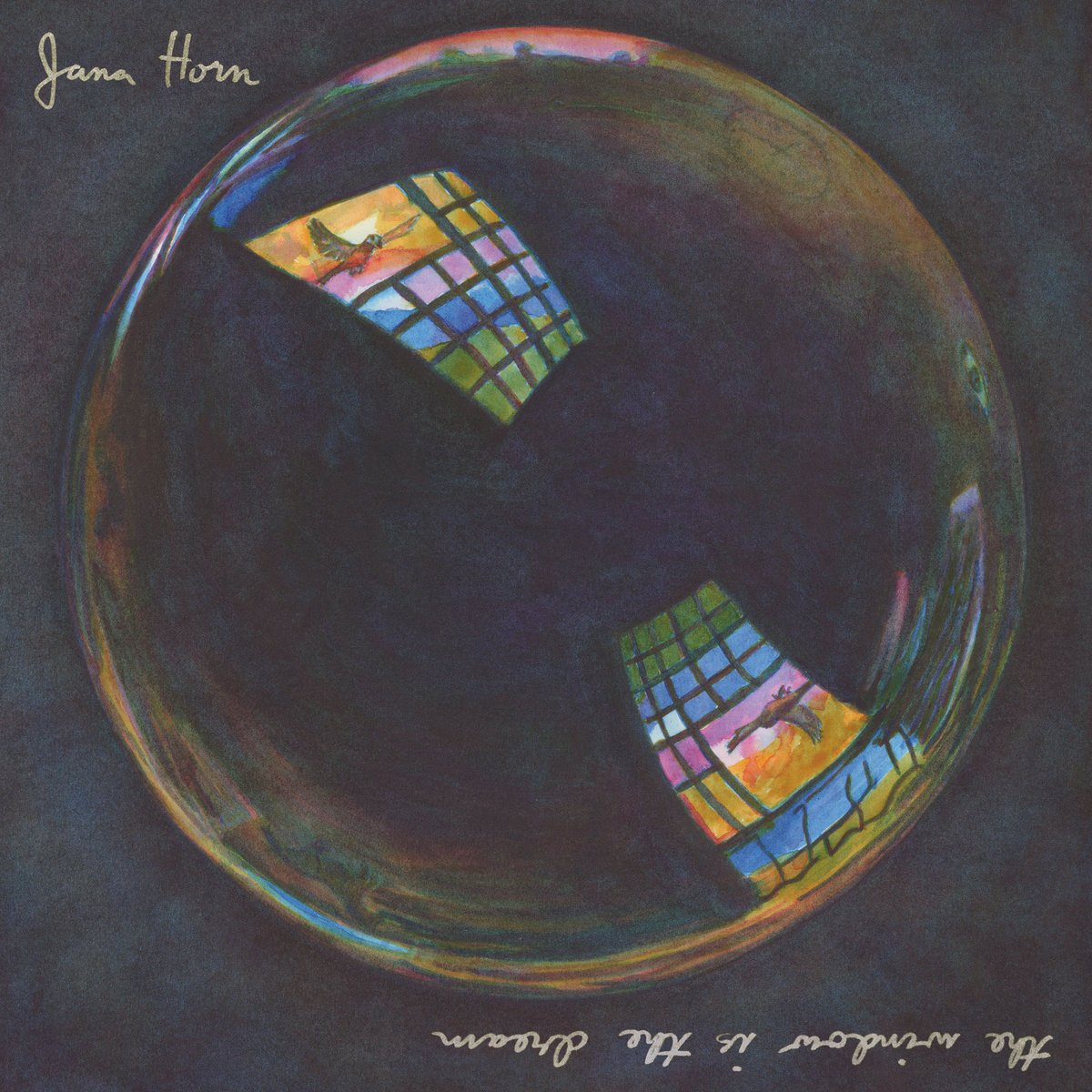
Coming off the release of your 2023 sophomore album “The Window is the Dream” on the Pilly-based label No Quarter, I’m curious how this effort eventually led to your latest self-titled effort that just came out. What was the overall process and approach to bringing this body of work to life, and how did you embrace this material in comparison to previous albums and projects?
I almost think of my new album as antithetical to the last, which was antithetical to the one before. There’s a poet who said that every poem she writes is in rebellion to the last, and I resonate with that. I think you have to push against something to create. This record was a conscious departure from the last, which I wrote and recorded in a necessarily scattered way - between school in VA, hospitals in TX where my mother was, and the studio in upstate NY. I needed this one to break down. To be almost post-apocalyptic, where a gesture can convey the whole. When it came time to record, I thought that if we did it piecemeal, my mind would be on the clock, and I’d hear that in the songs. In many ways, I was trying to avoid interference, which is a pretty amusing pursuit in the city. And so we ended up taking them to the desert in West Texas, which had the intended effect of focus and space. But there were also some less expected consequences. A real translation process occurred between here and there, and the way we were playing in the desert, instinctively, in the presence of such absence, was different than how we were in New York. It was crazy, honestly. One song (“Love”) we hadn’t even played before it made its way in on one of the days. There was space to do that out there, to digress, where time didn’t really have relevance in the same way. It was like we were given an extended moment to pause, where reflection and revision could be part of the recording process, as opposed to just delivering what had been prepared. Those ten days really changed the meaning and the feeling of the record up to that point.
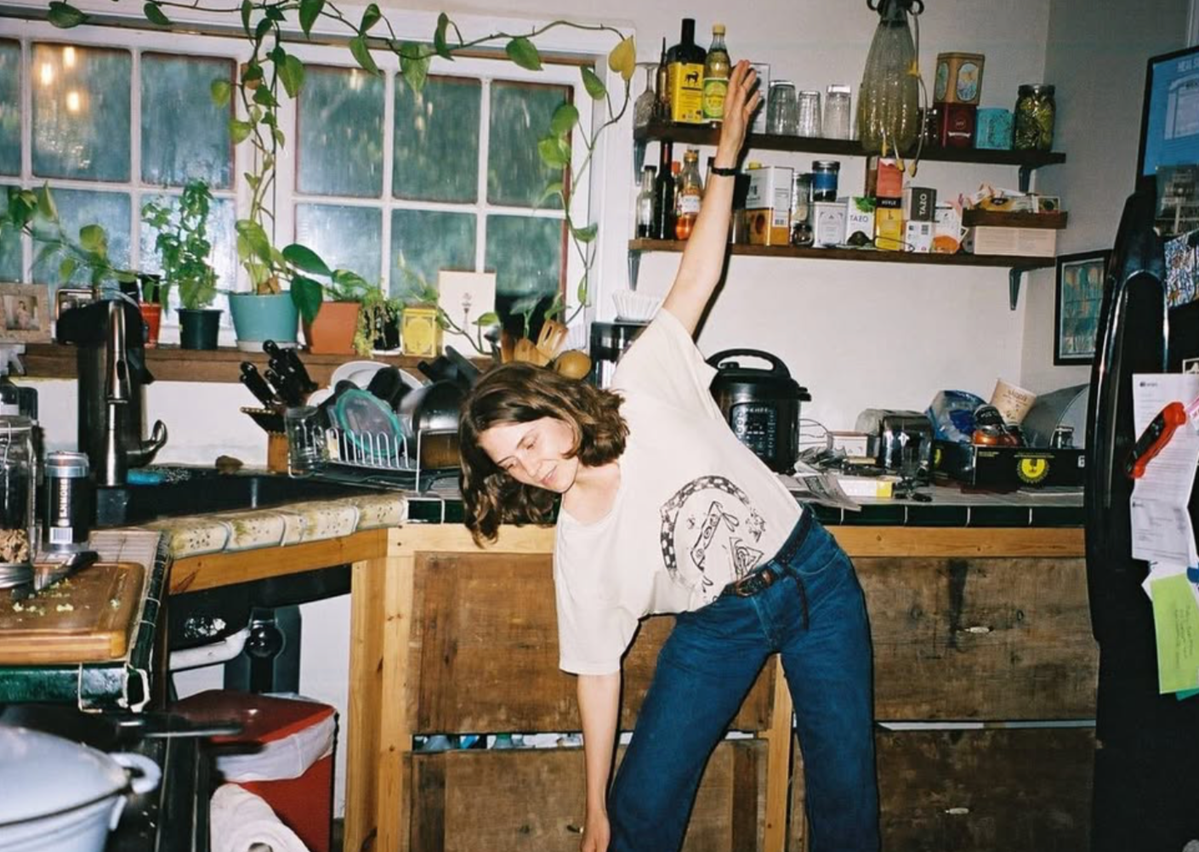
Photo: Sarah La Puerta
Many musicians will release a self-titled album after a few releases under their belt, for various reasons. I’m curious as to what inspired this for you. I understand you and the band captured everything in just a little over a week at the legendary Sonic Ranch in Tornillo, Texas. What was the chemistry like in the studio with everyone pouring into this album, trying to make it the best that they could?
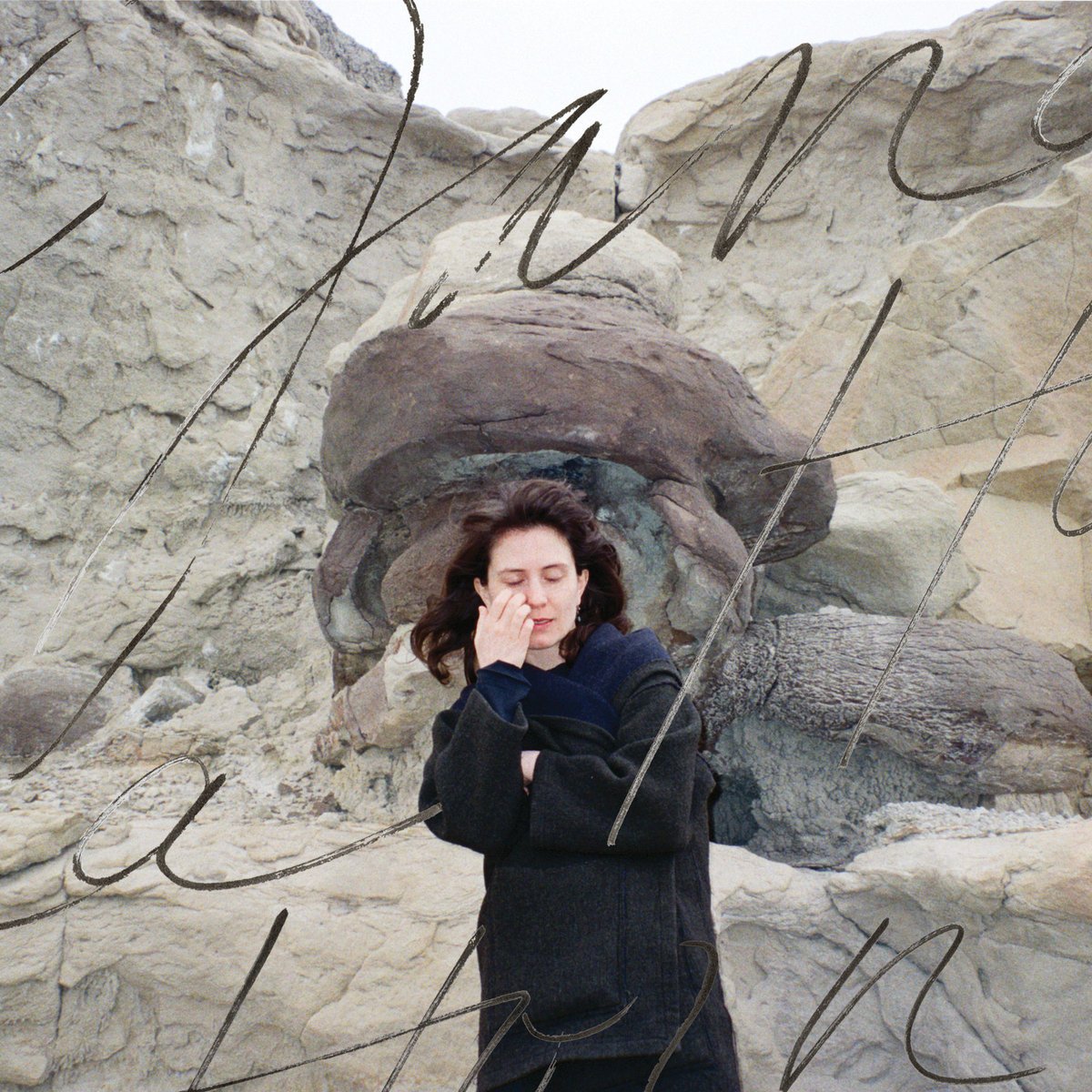
Yeah, good question. As I was saying earlier, for a while I felt insecure about calling music by name. I had to grow into it, my name, and let it be what it is, which is always in relation to and connected with others. No one’s truly a solo artist. It was so special to make this album with Jade and Adam, with whom I’d been performing for about a year at the time. Jade firstly plays guitar, and so a lot of the time she’s playing this really melodic, lead-style stuff that’s unexpected on bass. I mostly write on the top two strings of the guitar, like a bass, so we play off each other in this way. Bass flourishes, guitar static. Adam is very reactive and a kind of animal on the drums. Our arrangement’s a little funny, but also deeply inspiring to me, the internal logic we have together. Calling the album self-titled hadn’t occurred to me before Jade read Lucinda Williams’ memoir, and then lent it to me. We’d been toying with a few names for a while, using song titles and things like this, but no song felt like an island to me. We all really love Lucinda, and took a trip to see and meet her together as a band. Her third album was eponymous. The decision was definitely a conscious nod to her. But beyond that, I think it had to do with the all-in nature of making it. I surrendered to the writing of this record in a literal and spiritual sense, and I felt it was important to express that somehow. Almost like signing off on what we had made. Hence, the last line of the record (“Spirit, if you do the writing, I will sign”).
“I needed this one to break down. To be almost post-apocalyptic, where a gesture can convey the whole. When it came time to record, I thought that if we did it piecemeal, my mind would be on the clock, and I’d hear that in the songs. In many ways, I was trying to avoid interference, which is a pretty amusing pursuit in the city. And so we ended up taking them to the desert in West Texas, which had the intended effect of focus and space.”
You mentioned that “every honest song makes a dent in the current hideous and coalescing wars on human life, art, attention, magic. Like an arrow in the good guys’ bow.” Even if the material, as I don’t want to assume, has nothing to do directly with everything that's been going on in our country because of “He-Who-Must-Not-Be-Named” over the last decade, what exactly were you feeling, and doing your best to express, and explore with the songs on this album?
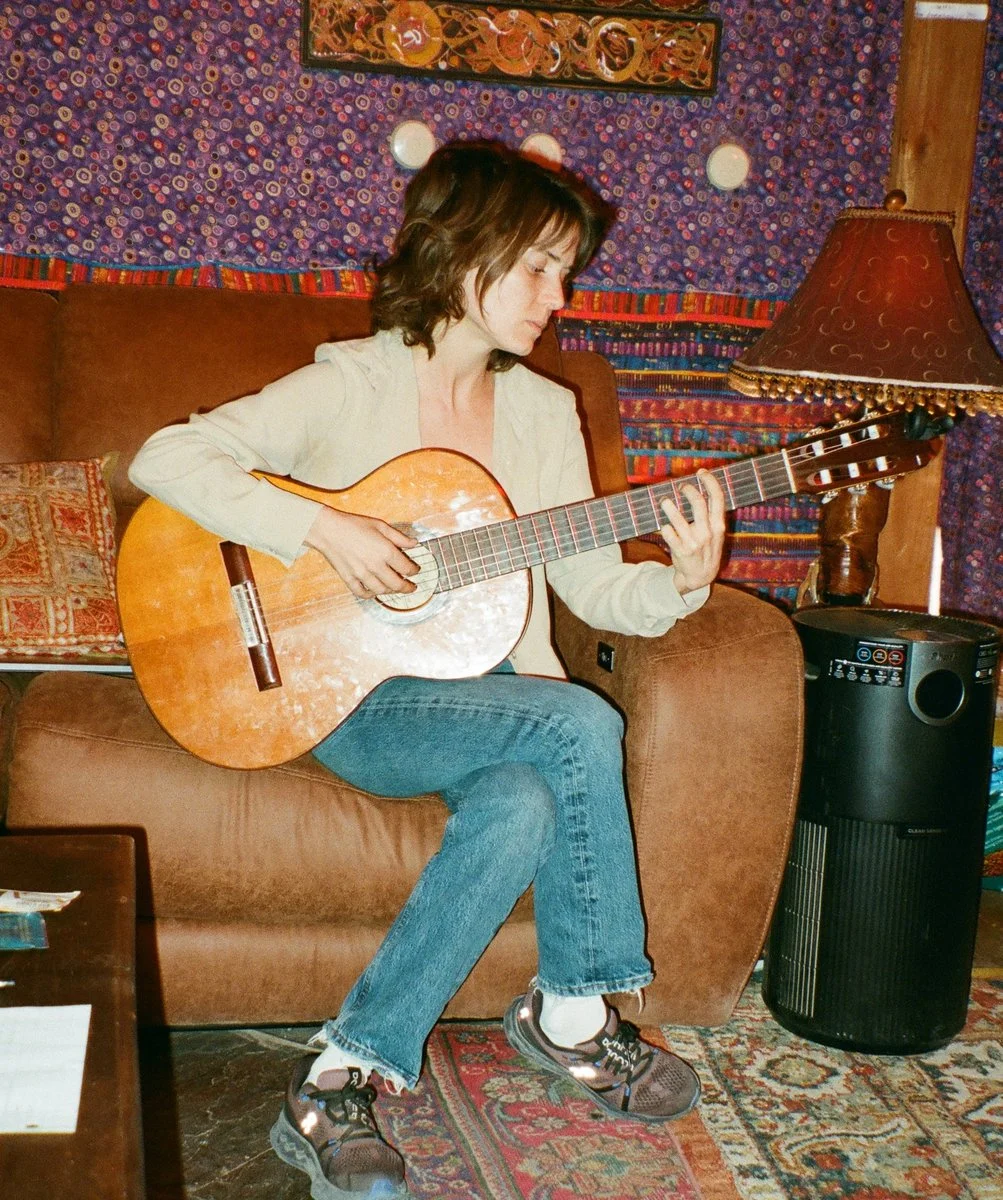
Maybe creating has always been inherently rebellious, but it feels more so than ever in my lifetime. Why build something that will be stolen, bombed, sold, and forgotten? Of course, I'm talking about the obvious actors who make a living on the virality of their ignorance, prioritizing harm at all costs. But there’s also this more subtle, inextricably connected enemy of self-destruction, which can be harder to name because it’s not always full-fledged. Sometimes it’s just apathy. I don’t know why I write, but I always have; it’s one of the first things I can remember doing, and I feel like my lot in life is to do my best to make it truthful. Even in fiction writing. I didn’t set out to convey anything specific with this record (or the last, or the first), but many of the songs I did enter like a church, leaving my life at the door. I was processing a lot of grief and trying to be alright with whatever came out, even if it wasn’t what I wanted to hear. It can actually be rare that I like what I hear, which maybe used to bother me, but I’ve become more okay with the fact that what I make isn’t for me. Writing and developing a song musically helps me in a very real way; it’s useful and important, but once the songs are recorded and have bodies and personalities, I don’t really feel they’re connected to me in the same way. Recording and releasing are for others. Only in conversations like these do I try to understand and place their relevance to me as the songs they now are, and not the formless things they were, which had meaning to me.
As we start a new year, what are you most excited about? I understand you have some US dates coming up later this month, as well as shows in the UK/EU this spring. Is there anything else you would like to share further with the readers?
Yes! It’ll be really fun to play these songs for the first time with different iterations of the band that’s on the record. We’re doing some duo, trio, and full-band shows in some cities I’ve never played before. It’ll be the first year of living in New York with Zohran, which feels historic, momentous, and even hopeful. I’ll publish my first short story! In “American Short Fiction” in the spring. Ben Lerner has a new book. Bill Callahan has a new album. I’ll turn thirty-three, which does feel significant. A kind of “it is finished” of something. Not sure of what yet.