The Ganesh “Bid” Seshadri Interview
For almost half a century, the London-based post-punk, new wave group The Monochrome Set has been surfing the scene with their trailblazing efforts in indie rock after branching off as The B-Sides, whose members included Stuart Goddard, later known as Adam Ant. The band brings to the table a sophisticated sound that would go on to inspire the likes of the Smiths and several others throughout the 1980s. Multi-instrumentalist, producer, and frontman Ganesh “Bid” Seshadri is an Indian-born singer and songwriter whose polished poetry and atmospheric attitude have led the band through the harmonious high waters since their breakout album “Strange Boutique” in 1980. Following up on 2022’s “Allhallowtide” with the group’s seventeenth studio album “Lotus Bridge”, Bid tells us about the overall process and approach to how this body of work came to life, while simultaneously balancing nostalgia with the creative climate of contemporary work.
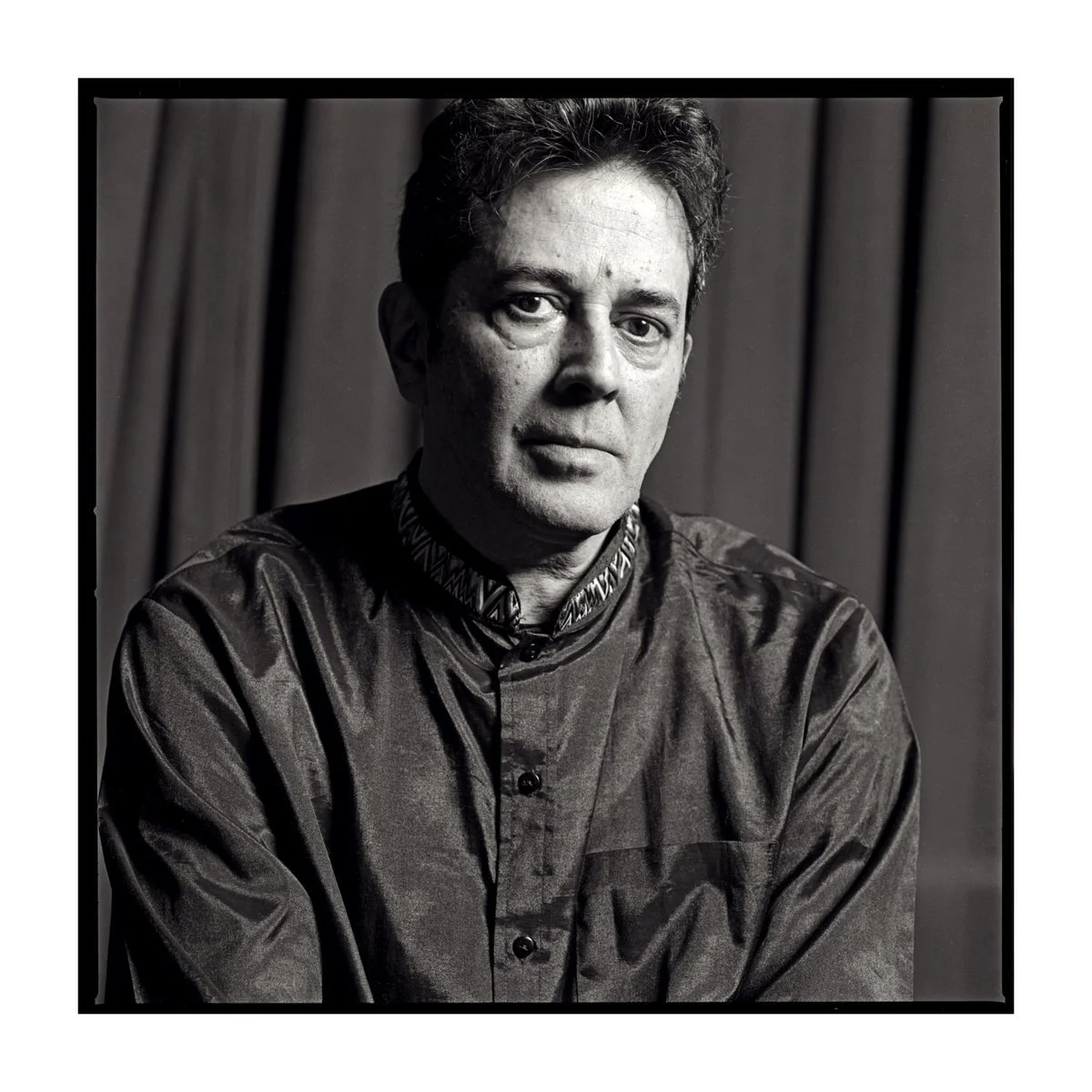
Photo: Peter Tainsh
Having been born in Calcutta (now Kolkata), India, before relocating with your family to the UK in the mid-1960s, were you interested, or fascinated by the familiar sounds of that particular region in your more formative years, such as Bengali film scores, Indian rock, or the numerous jazz clubs in the city? As someone who is a multi-instrumentalist, producer, and songwriter who has been leading this outfit for so many decades, what are your thoughts on the band’s iconic legacy and particular influence on culture? From the New Wave whispers of the band’s debut “Love Zombies”, to the spiritual sophistication of its sophomore release “Strange Boutique”, to the indie banger “The Lost Weekend”, and beyond, what do each of the albums mean to you? What is that relationship with your art like?
I barely listened to music until I was about 11 or 12, when I entered secondary school in London. It was from then that I started to socialize outside of school, where I heard the music of others, such as my brother’s friends, who were two years older, and what they were listening to at the time. Thus, my first real experience of music was during this period in the early 1970s, and it was entirely Western. In a way, coming to music so late gave me an inadvertently unaffiliated relationship to it. This may explain subsequent events. We must indeed have been very ill when we started the band. It didn’t seem to me that we’ve been an influence on other artists, but it’s not always obvious in what way. Perhaps it could be our undeliberate separateness, both in our music and lyrics — we do what we think sounds and feels good, regardless of the outside world. Perhaps we occupy the exciting liminal space between the banal and abnormal. I don’t know if most of the TMS albums, as song collectives, have any obvious meaning. The songs on them were creations that were written and recorded within a time frame, and perhaps sound similar. However, there were five albums with a theme; songs with interconnecting stories. Once an album is finished, the songs are released from the creative area and enter the live performance mindset, where they essentially have to compete with all the other songs we’ve ever recorded. For the first year or so, we put around four new songs into the set, and thereafter assess their live value on par with the rest. For a band that has released several albums and has many fans around the world, I think that this is the best approach.
Speaking of what lies ahead, let’s talk about the band’s brand new album, “The Lotus Bridge,” which is set for release in early March. Making this the group’s 17th studio, and the first since 2022’s “Allhallowtide”, what initially inspired the group's approach to this body of work?
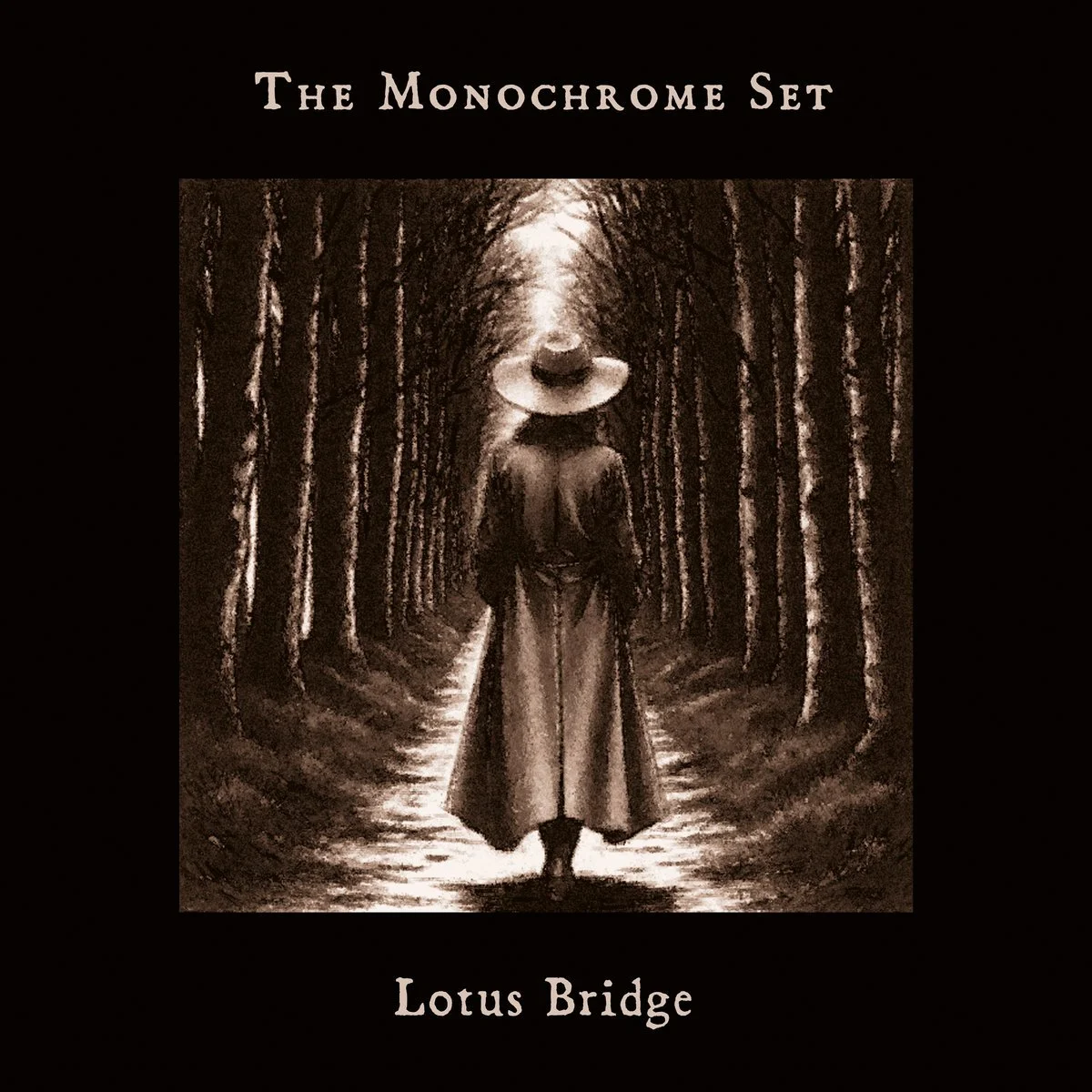
I quote the text featured in the artwork of the album: “This album is a journey through a dream I had in January 2024. I was walking barefoot over wet grass along a riverbank at dusk. I approached a bridge made of many leaves floating on the water, stretching dimly to the bank on the other side. I noticed that they were lotus leaves. I cannot remember if I was already trying to find a way to cross, or if I decided to do so when I saw the bridge. Strutting across it were tiny people — two-dimensional cheerful goblins painted in watercolours like cartoon characters. I carefully picked my way over the wet, undulating leaves, and when I reached the other side, I was approached by a glowing figure who welcomed me, saying that this was the new world and that I would be happy here. But I remembered that I had left someone behind in the ruins of the old world, and I had to go and fetch her. So I went back across the bridge. On my return journey through this tired world, I met with restless ghosts, a mermaid, a star-reading hare. In the end, nothing could convince me to choose between worlds.” The dream was — or felt — very long. It seemed like it was half a lifetime curled up into one night. It was so vivid that I still remember it. It didn’t occur to me to turn it into a song — not then. It wasn’t until the autumn of 2024 that I started writing, and over the course of three or four days, I sketched a rough outline of an epic poem that began with “Lotus Bridge”; the rest was still confusing, with many verses in many different styles. I didn’t start defining the other songs until November, when everything coalesced into this collection of nine lyrics. So, the lyrics of the whole album are based on one storyline of a journey, and much of the music was written in a particular style, so there is a high degree of cohesion between the songs. Each song depicts a scene/encounter on the way back to finding the person that I’d left behind.
“We must indeed have been very ill when we started the band. It didn’t seem to me that we’ve been an influence on other artists, but it’s not always obvious in what way. Perhaps it could be our undeliberate separateness, both in our music and lyrics — we do what we think sounds and feels good, regardless of the outside world. Perhaps we occupy the exciting liminal space between the banal and abnormal. ”
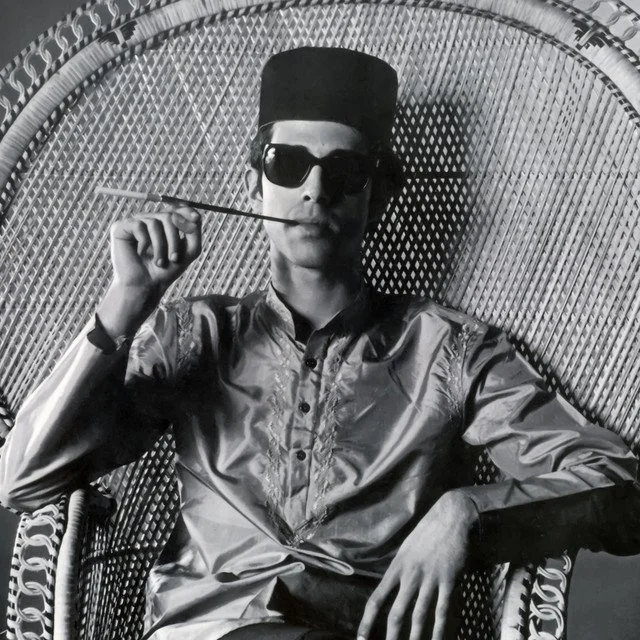
Photo: Peter Tainsh
As 2026 continues to unfold, and in a pretty horrific way so far, how do you feel about music’s radical role in the grand scheme of healing and liberating society, and how we need it now more than ever during these dark days? Is there anything else you would like to share further with the readers?
Music is the creative manipulation of the universal vibration, Resonance. We don’t take it as seriously as we should because it comes so easily to us; however, this is one of the outstanding abilities of human beings. All universal vibrations form the basis of existence — they cannot be suppressed. Things will work out fine.