The Bill Pritchard Interview
British-based singer-songwriter, multi-instrumentalist, and producer Bill Pritchard first broke onto the scene with his monumental, self-titled debut in 1987 on Gary Levermore’s label Third Mind Records. Quickly following up with his sophomore release, “Half A Million” the following year, over the last four decades, the veteran musician has released an outstanding body of work that reflects the nature and reality of the human condition by connecting listeners to the fast-spinning wheel of life’s never-ending narrative. Pritchard returns to the lyrical lab with his latest effort, “Haunted”, which he says“could finally be his opus! Or one of them.”
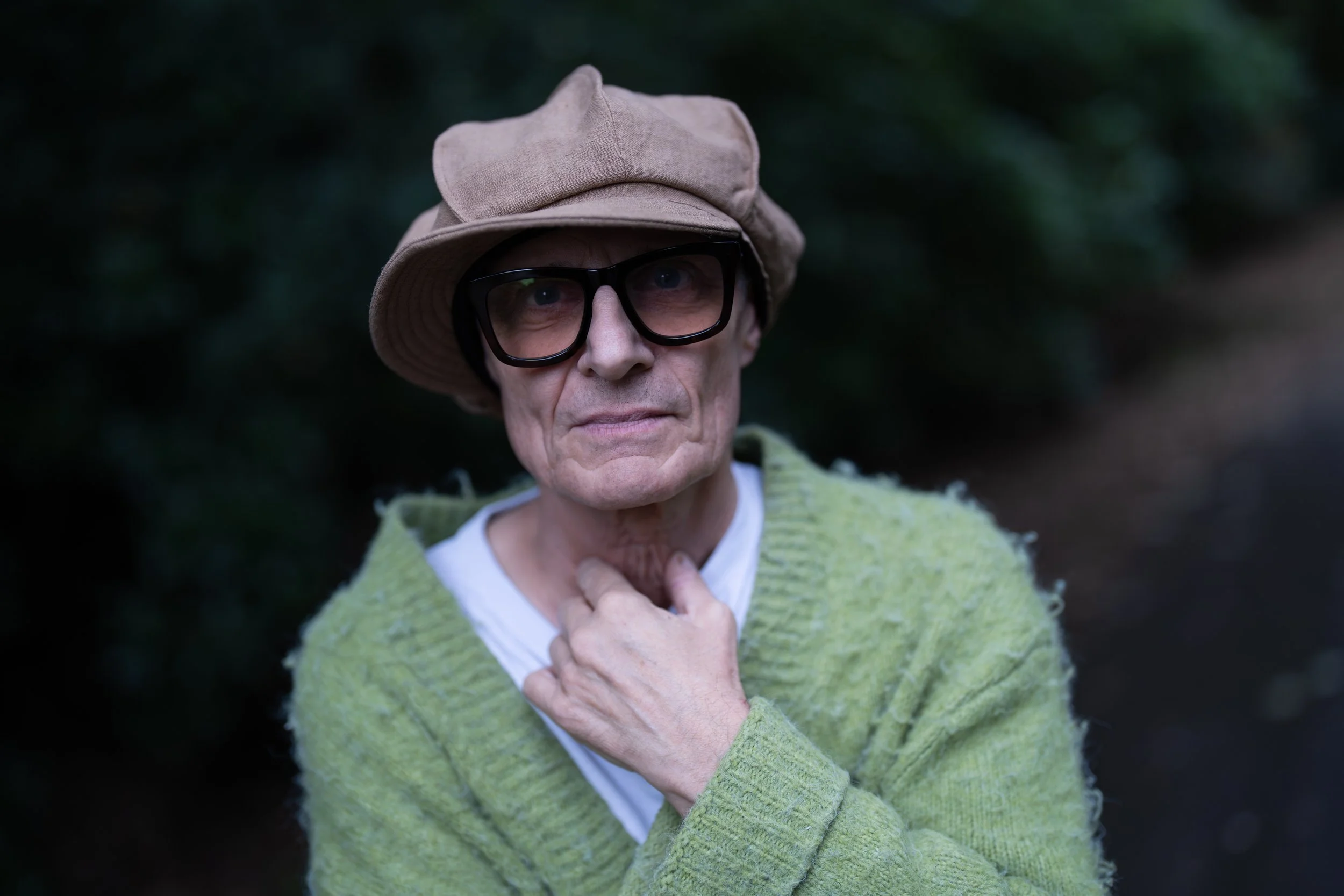
Photo: Luke Hodgkinson
Since the release of your monumental debut self-titled classic in 1987, your career and poetic pursuit have gone from one end of the galaxy to the next. Before we dive into more recent works, and of course your latest effort “Haunted”, I’m curious to know your thoughts, and feelings on the past, and how that has shaped your present, and future as both a songwriter, and individual.
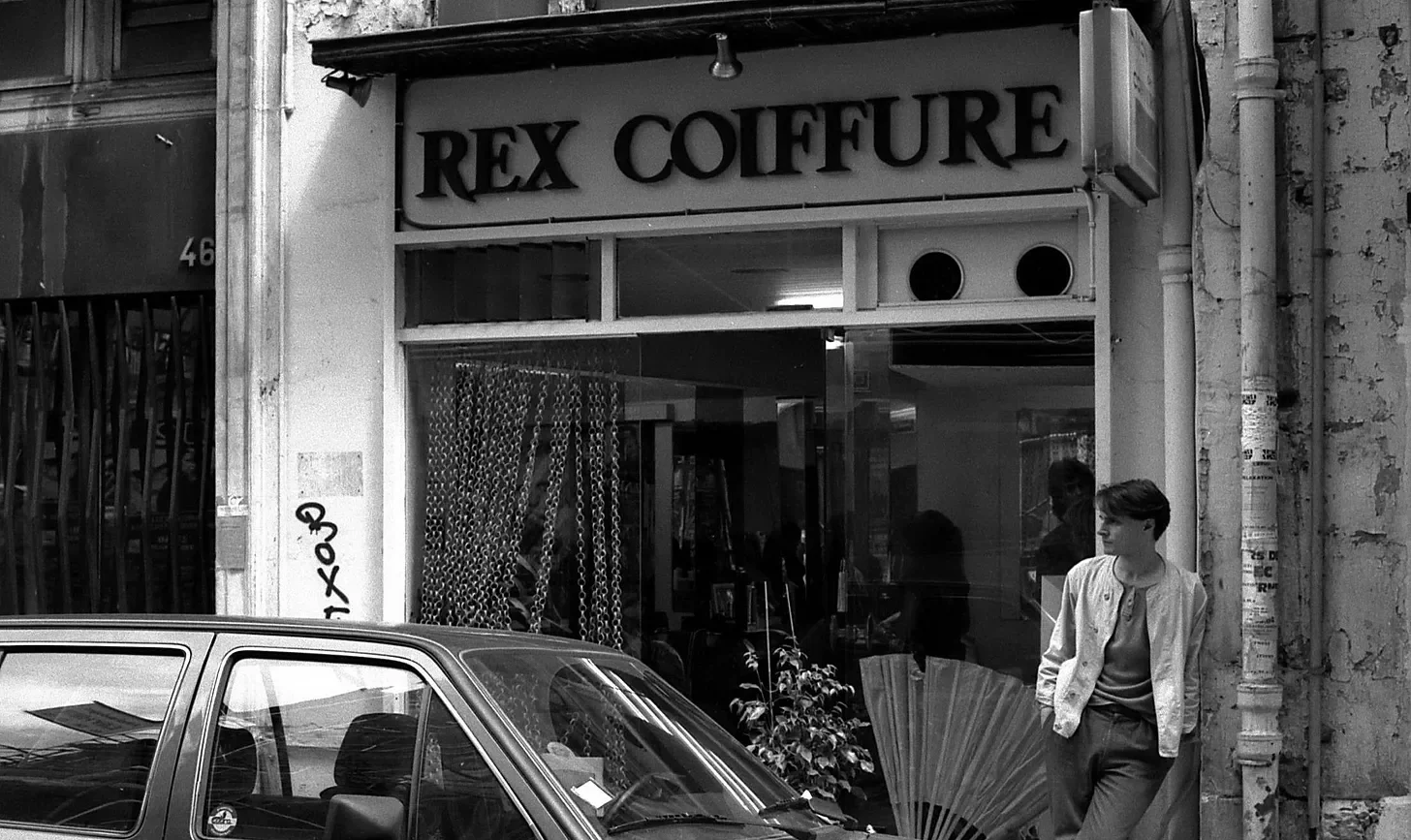
Photo: Mick Mercer
I think my passion for creating music stems from a young age, from writers and poets who were introduced to me by an enlightened father. He directed me to read well-thumbed versions of Dylan Thomas, Jean Genet, and Joe Orton. To name but a few, when I was young. Also, I have a fascination with pop music. It was very eclectic, I suppose, for the time. When I was a kid, I loved the music of Slade, who were relatively local to me. In my teens, I used to listen to and take in bands like the Move, the Yardbirds, Tyrannosaurus Rex, and I also bought vinyl from the bargain bin from the likes of Polnareff and Procol Harum. When I was older in my teens, I played in a band, The Organelles, with my mate, The Roller, because I realized and appreciated that thanks to the aesthetics of bands like the Buzzcocks and the Damned, making music didn’t need to be so corporate. I was already writing poems, and I had been taught as a kid to play the ukulele by my mum, who learnt it herself, so she could teach me (looking back on that, it was such a cool thing for a parent to do because she wanted me to have a hobby as she realized I was a bit ‘hyperactive‘ (her term) as a kid.) So, being inspired by the “Damned Disciple” song book, a fanzine from the great group The Damned, which basically says, “Learn a couple of chords and start a band” (I am paraphrasing), we played songs in village halls and pubs around Lichfield, and sold sweets and pop at the gigs. I loved the sound of French and pursued a degree in Modern Languages and Politics in Sheffield. As part of the degree, I had the chance to study in Bordeaux, where there was a burgeoning independent radio and DIY scene. With a mate, Pascal, we had a show on ‘La vie au grand hertz’, we played a mixture of French and English indie music. I was introduced, for example, to Taxi Girl and the amazing poetry of Daniel Darc. I always loved the French aesthetic and sound of the 1960’s Yé-yé artists, such as Jacques Dutronc and Francois Hardy. After my degree, I moved straight to London to start my first album with Third Mind! The music I enjoy most has been driven by great words and musical pop sensibility.
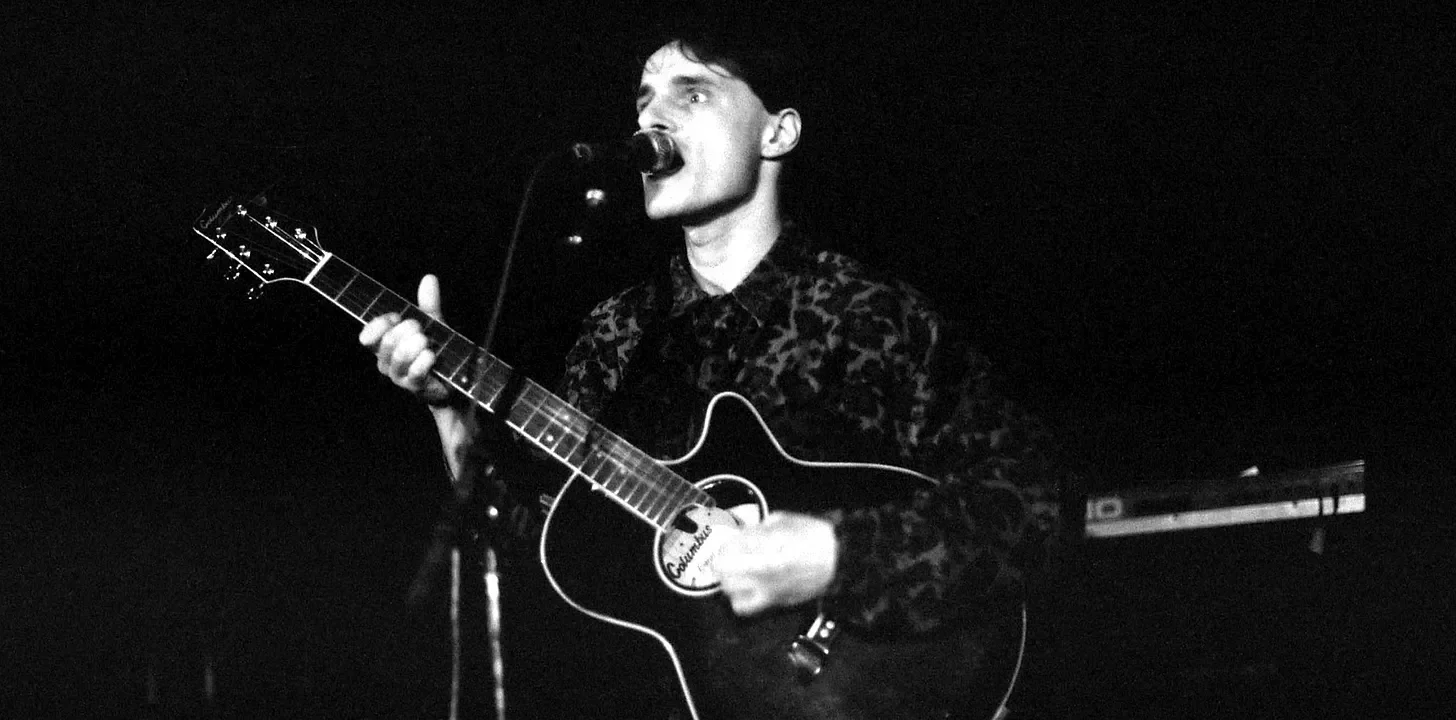
Photo: Mick Mercer
Having released a few LPs and singles/EPs on Third Mind and Play It Again Sam Records, you’ve creatively challenged listeners and fans both new and old, with your subject shifting from synth-pop to new wave, from acoustic ballads to indie rock. What were some of the driving forces and factors that pushed you as an artist during those early days of making records such as “In The Summer”, “Jolie”, and “Happiness and Other Crimes” to expand and experiment as you did?
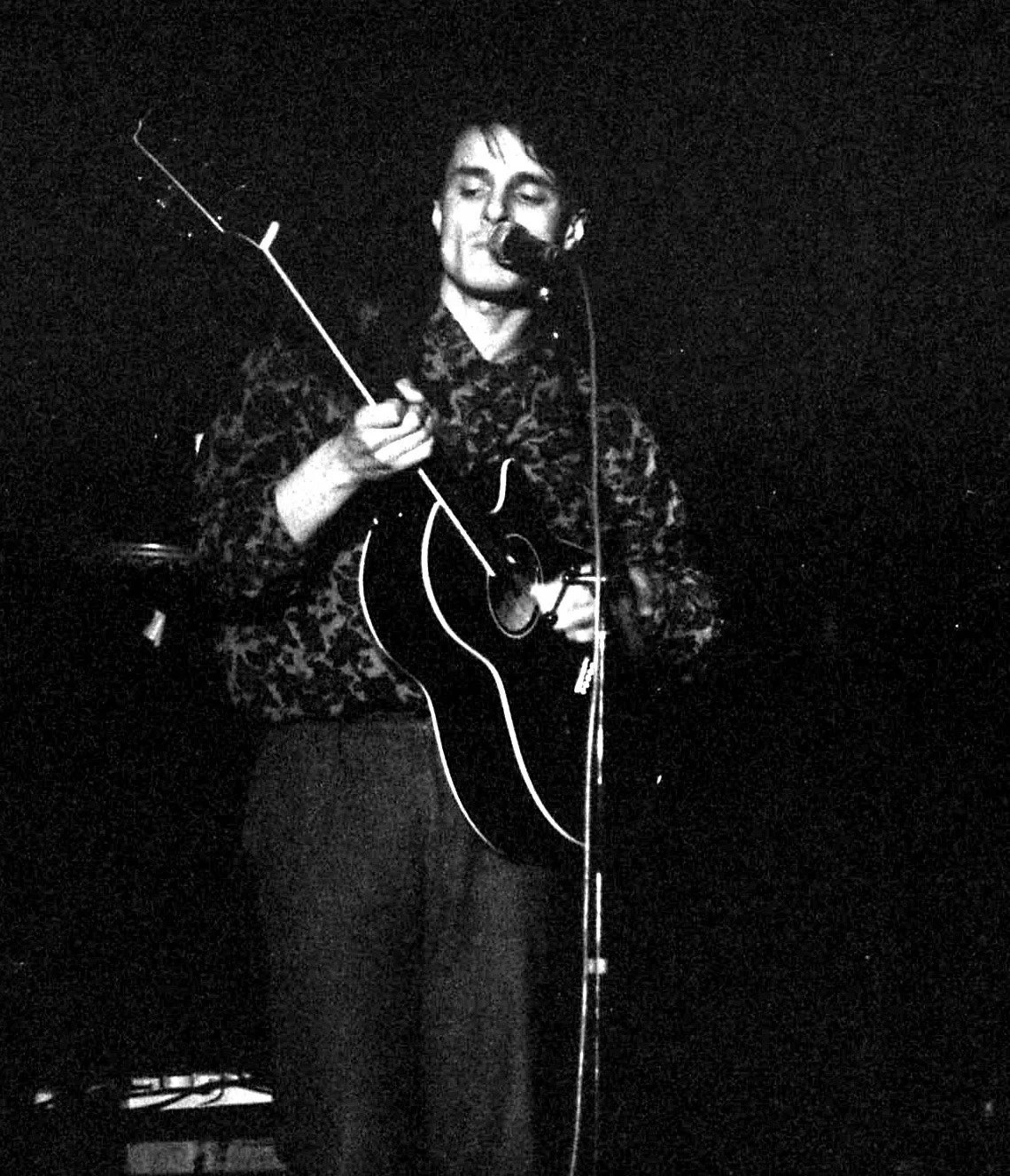
Photo: Mick Mercer
As I look back on my body of work, I realize that each album is like a chapter in someone’s autobiography. Unlike an autobiography, the themes I write about and the stories I tell aren’t about me but more reflect the circumstances, both emotionally and geographically, of where I am. “In the Summer” was for me a lyric written around the chorus that I had had in my head for ages. The content isn’t about me exactly; however, there are several references to places where I was living at the time and what I was doing. “Another Muswell day floats by, full of Library books and desperate looks.” I was living in Muswell Hill in North London at the time, and was a voracious reader. You are correct in highlighting the different instruments used on the albums. With the album I did with Daniel Darc, “Parce Que,” for example, there is a mixture of real and synthetic instruments, which fascinated me. “Pigalle On A Tuesday Is Charming” is a good example of this. However, with the last album before “Haunted,” “Bill Pritchard Sings Poems By Patrick Woodcock” (who’s an incredibly talented Canadian poet), I decided to make an acoustic guitar-driven album. The sounds I got with the acoustic guitars, piano, e-bows, and lap steel lent themselves to the lyrics. Also, to a certain extent, I produced this album myself (along with Scott Ralph, a friend with a very cool vintage studio, and a good pair of ears), and also played the instruments (apart from Scott on the drums). I was limited by the instruments I could play because I wanted to get the essence of my sound, maybe.
“As I look back on my body of work, I realize that each album is like a chapter in someone’s autobiography. Unlike an autobiography, the themes I write about and the stories I tell aren’t about me but more reflect the circumstances, both emotionally and geographically, of where I am.”
Following the release of 2023’s “Sings Poems by Patrick Woodcock,” with your latest album “Haunted”, what initially inspired the overall trajectory and atmospheric approach to this body of work, as well as connecting with several musicians from Hamburg/Newcastle, to bring this record to life? Buried between the letters and words that make up the comforting chemistry of these songs, several elements truly reflect the essence of a musician who has mastered his craft. How does this record differ from previous works? I would love to know some of the backstory to tracks like “Suburb Of The World”, “Sunsets In Poland”, “The Quarter”, and the album’s epic ender “Oxygen”. They’re so melodically melancholy, while simultaneously lifting the spirits to a harmonious high that is definitely needed these days, to say the least. What are you most proud of about this record, from its creative conception to releasing it into the world for folks to hear?
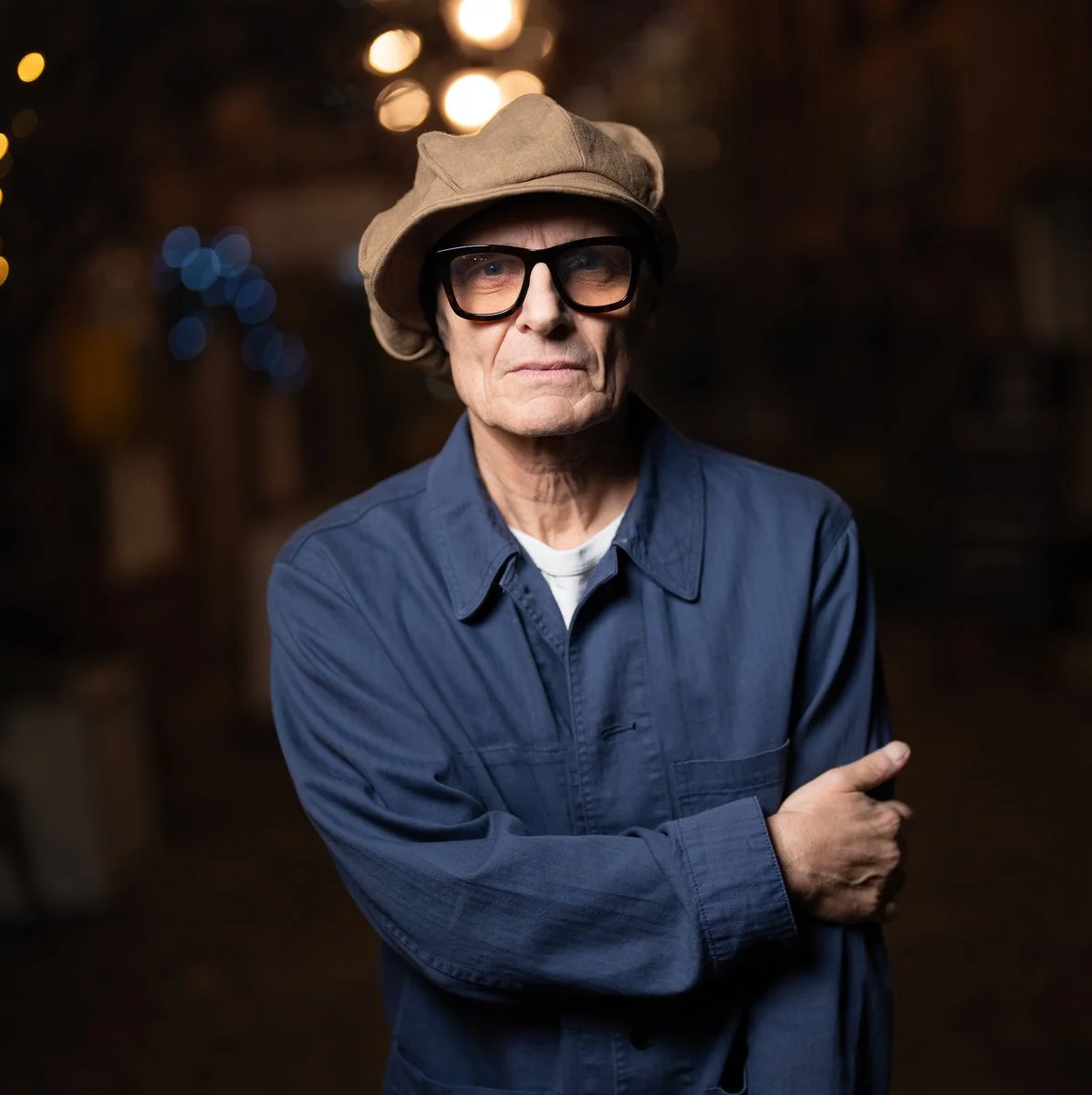
Photo: Luke Hodgkinson
Thanks for the really positive overview of “Haunted.” I really appreciate the analysis of the album as a whole in terms of honing my work into this piece and highlighting those particular songs. Firstly, I have always been lucky working with talented and sympathetic people, for example, Etienne Daho, Ian Broudie, Frederic Lo, and the great Bill Nelson, with whom we worked on an album that never came out. This album was no different. The musicians and producers are superb, an essential reason for this album sounding so cool and at the same time so Bill Pritchard. The amount of work and dedication shown in the original demos I sent to Tapete by Gunther Buskies (joined by Zwanie on drums and Asterix on percussion). Gunther Buskies, who played so many instruments on this album, was always so sympathetic and creative within the original demos I recorded with Scott Ralph, which made this whole album a pleasure to help create. I must say I can only applaud and marvel at how hard, especially Gunther Buskies (not forgetting Zwanie Jonson and Asterix Westphal have worked on what we produced. The frontman of the Monochrome Set, Bid, who has been a hero of mine since I was a student in Sheffield, really inspired the album. From what I understand, they had mixed an album in Hamburg with Tapete, which I thought was cool. Gunther Buskies and I then discussed who would produce and play on the album. I was very keen on doing it in Hamburg. Gunther then organized the rhythm section first (himself on bass and Zwanie on drums), moulded the songs in the Tapete studio in Hamburg, playing guitars, keyboards, brass, and vintage drum machines all by himself, amongst other instruments. He’s a very modest man, but what a talent!
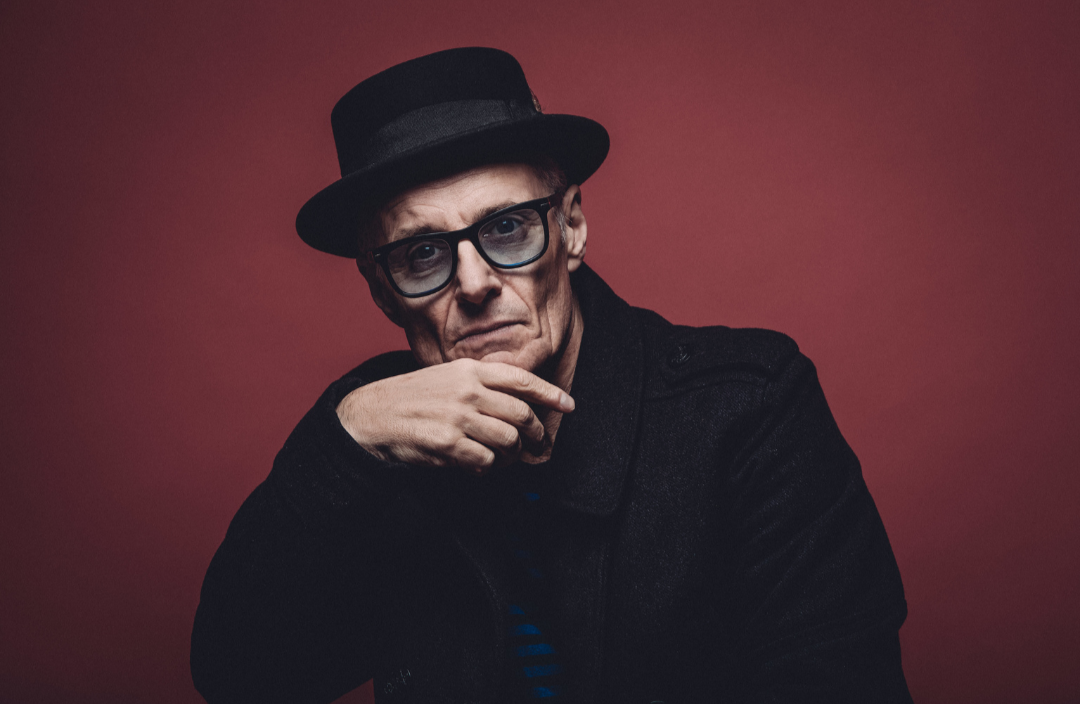
Photo: Luke Hodgkinson
The vocals were then done in the Coal House over 3 days. My vocals had to be as perfect as I could make them. I became inspired by the quality of the music! The album was then mixed beautifully by Karsten Bottcher, who worked on my previous 2 two albums. Here is a quick overview of the songs: "Suburb Of The World” centers around a bus ride from Euston to Stoke Newington on the 73 bus that I took. There are references to places I passed, such as Get Stuffed, which is a shop, and the South Library. When the semi-fictional man enters, he references specific parts of London, like Crouch. End (a neighbourhood in North London). Interestingly, this links to another song you have mentioned, “The Quarter.” I based this one around London (although I live in the Midlands, Newcastle under Lyme, I’ve spent a lot of time there). This is again an imagined trip from daylight to twilight of a semi-imaged person walking in North London, internally referencing what’s seen and felt, ending up in the Quarter (I like the term “The Quarter” because it is anywhere for someone, but somewhere for me. I love that the musical production evokes the time of day the lyrics take us to. The middle 8/chorus/refrain, whatever you want it to be. There is beauty in what you do, so don’t let them get to you. There is dignity in what you say, so don’t let them get to you that way. I like this because it can be a personal observation for anyone! I am pleased with the lyrics of “Oxygen” in particular. The song is about nature’s dealings with humans and vice versa, something I never thought of before. It is certainly not where the song's origin is for me; however, it could be interpreted that way. This is why I love lyrics: the adage (a cliché almost) ‘You can interpret a lyric in any way you want, and that is correct is the beauty of lyrics.’ Lyrics are so subjective, and that is a positive thing. What am I most proud of? What we as a collective have achieved with Haunted, and everything fits, including the beautiful cover photograph of Richard Dumas and the excellent cover design by Keratin Holzworth.
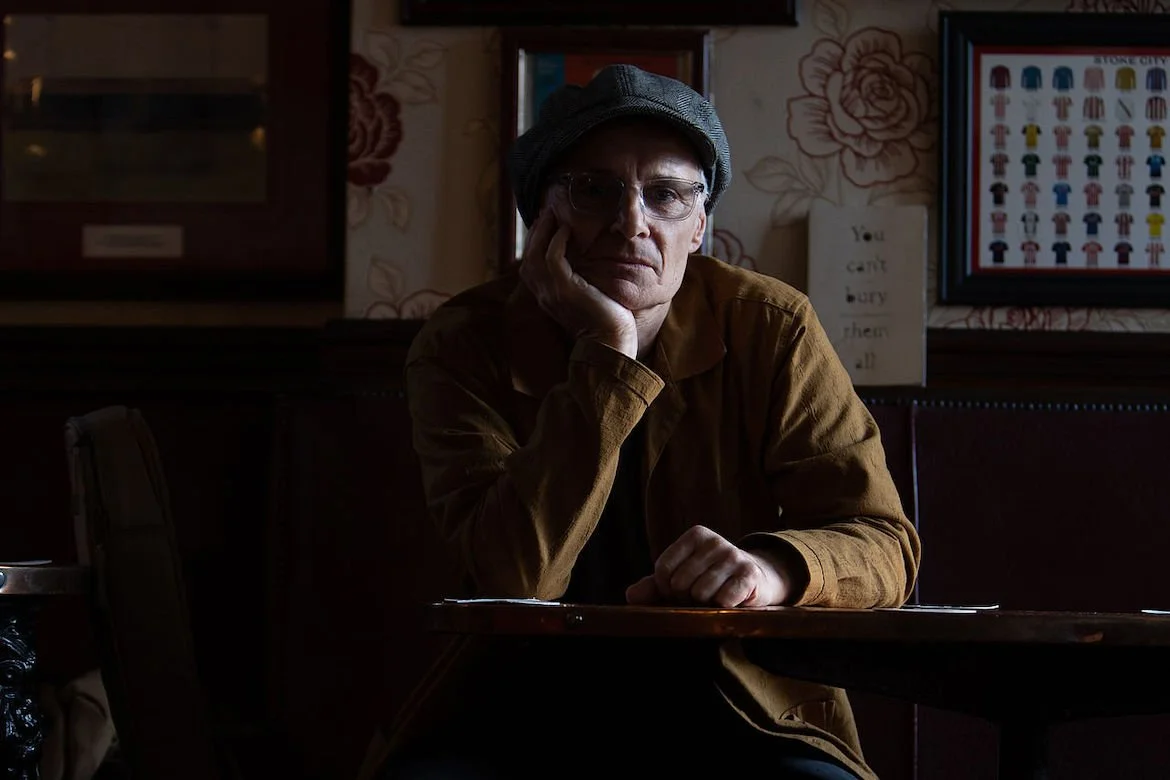
Photo: Luke Hodgkinson
As 2026 continues to unfold, how do you feel about music’s radical role in the grand scheme of healing and liberating society, and how we need it now more than ever during these dark days? Is there anything else you would like to share further with the readers?
Music is essential to our being. Communication is key to human life. I do think that communicating through music is universal (from my understanding). It transcends generations as well. I went to see one of my daughters, Alice (Always is the name of her band; she is a very talented songwriter), play in Manchester, and was struck by how the young crowd was reacting. There was a feeling of harmony, understanding, and community. Fantastic! In terms of Haunted: this could finally be my opus! Or one of them.