The Macie Stewart Interview
Chicago-based musician and multi-disciplinary artist Macie Stewart is a wandering wild card in the world of sound, as her creative career traverses through the melodic mountains and harmonious hills of our crumbling country in search of poetic peace for those who need it most during these trying times. Having participated in various groups and projects such as Marker, Ohmme, Finom, and Jeff Tweedy’s band, Stewart’s spiritual approach to her craft radiates the joys of intimate improv and the epicness of experimentation. With the announcement of her recent record with Whitney Johnson, Lia Kohl entitled “Body | Sound”, which is set for release in late March on International Anthem, Stewart, and company will embark on a spring/summer tour in both the United States and Europe, as well as a brand new solo record on the horizon.
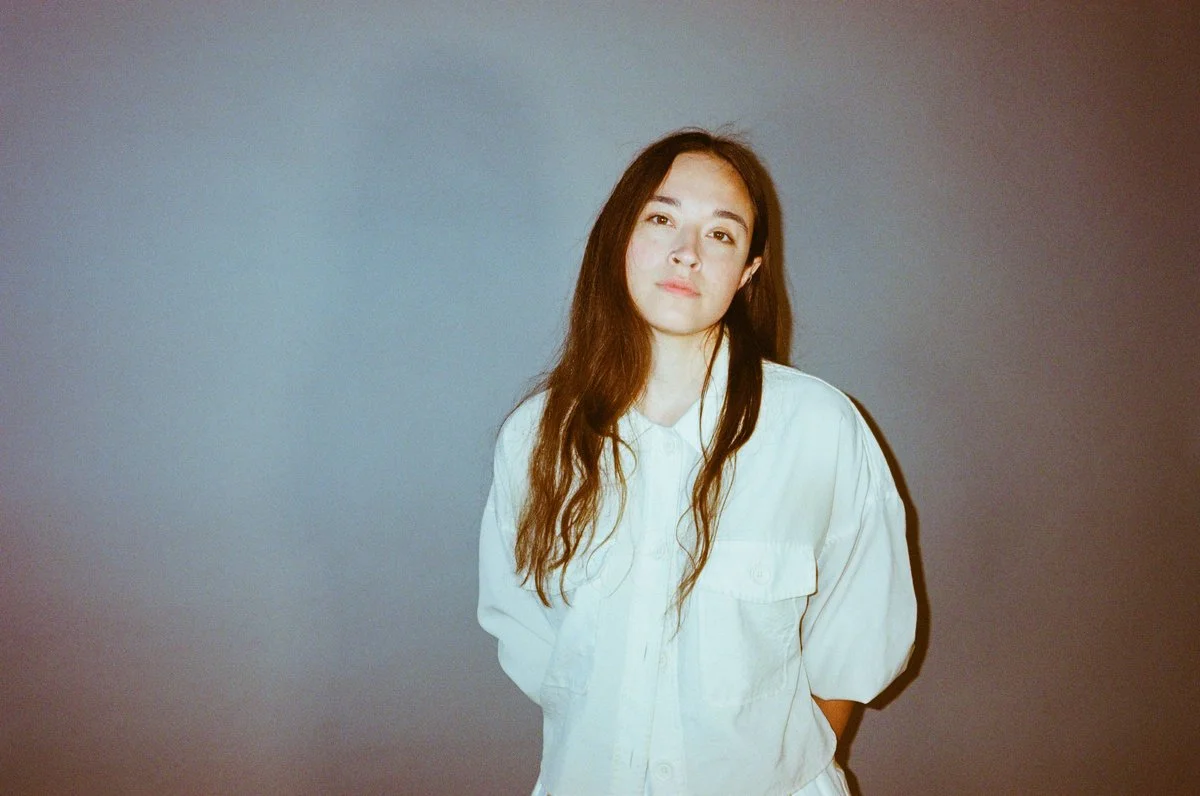
Photo: Maren Celest
As a musician and multi-disciplinary artist based in the Windy City, how did you initially connect with music? Your repertoire of instruments is incredible: piano, synthesizers, violin, guitar, and of course, singing. This might be a generalization, but it seems that several musicians either embrace a specific instrument from the beginning or they dive into several all at once. Was this the case for you during your formative years?
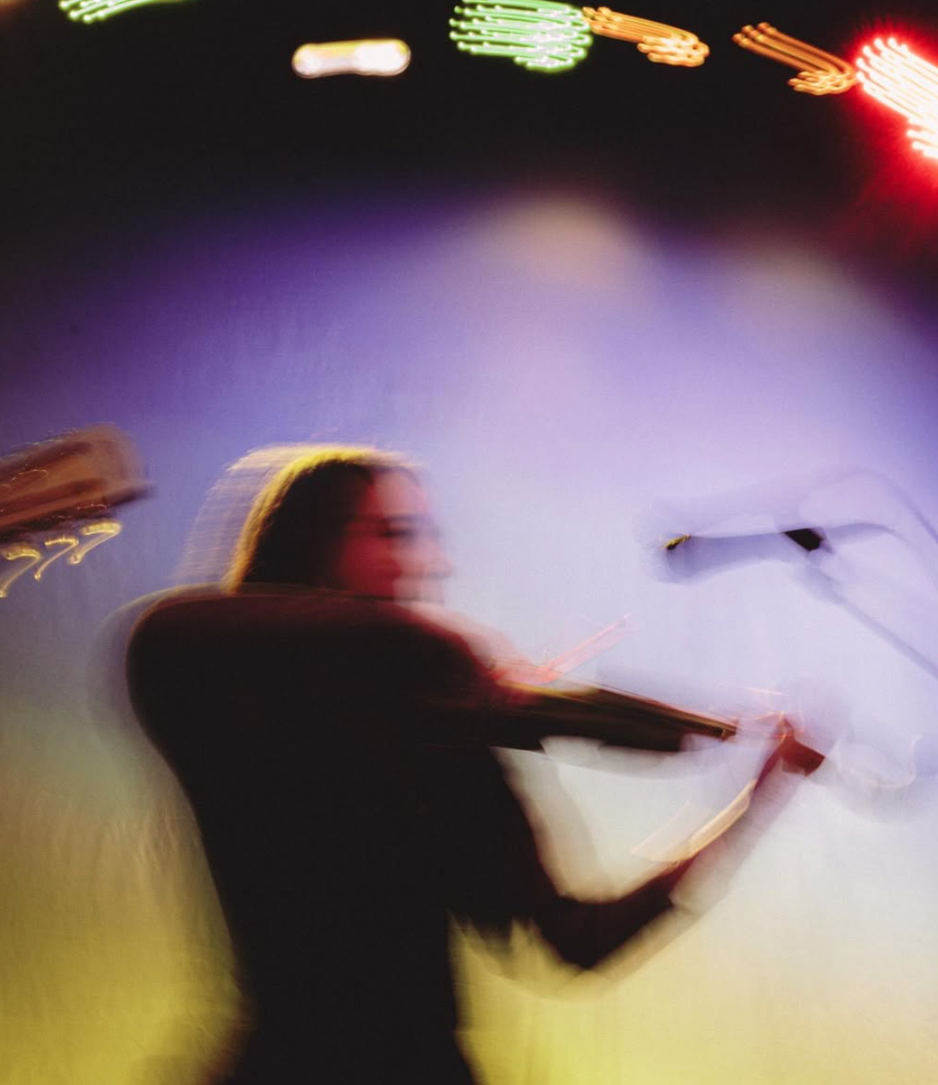
Photo: Bob Sweeney
I started piano lessons at a really young age, and found that music was something I was really drawn to. I was really lucky to have very creative and dedicated parents who encouraged me to follow what I was interested in. They enrolled me in piano lessons, and I loved them so much that it led me to play the violin, join musical theater, learn traditional Irish music, teach myself guitar, play in bands, and write songs, etc. I honestly loved music lessons as a kid, but I would go through phases of being more interested in one instrument over the others. At the time, I mainly focused on piano in high school because I planned on going to college for classical piano performance. I spent many hours practicing at home — I’d wake up every morning at 5 am before school, practice during lunch, and then after school when I got home. Even with that, I was continuing with all of my other musical outlets, like teaching myself guitar and playing in a band, and looking back, I feel grateful because I was constantly learning about music and gaining the technique and muscle memory required for many different tools. My lack of singular instrument focus is something I occasionally feel self-conscious of- I can’t claim mastery over any one thing… There is that famous quote: “Jack of all trades, master of none”. I feel that pretty deeply. However, I recently learned that the full quote is actually: “Jack of all trades, master of none, but oftentimes better than a master of one”. And I try to keep that in mind as I move through the world. This gives me the flexibility and ability to expand wherever I’m needed, wherever I want to go.
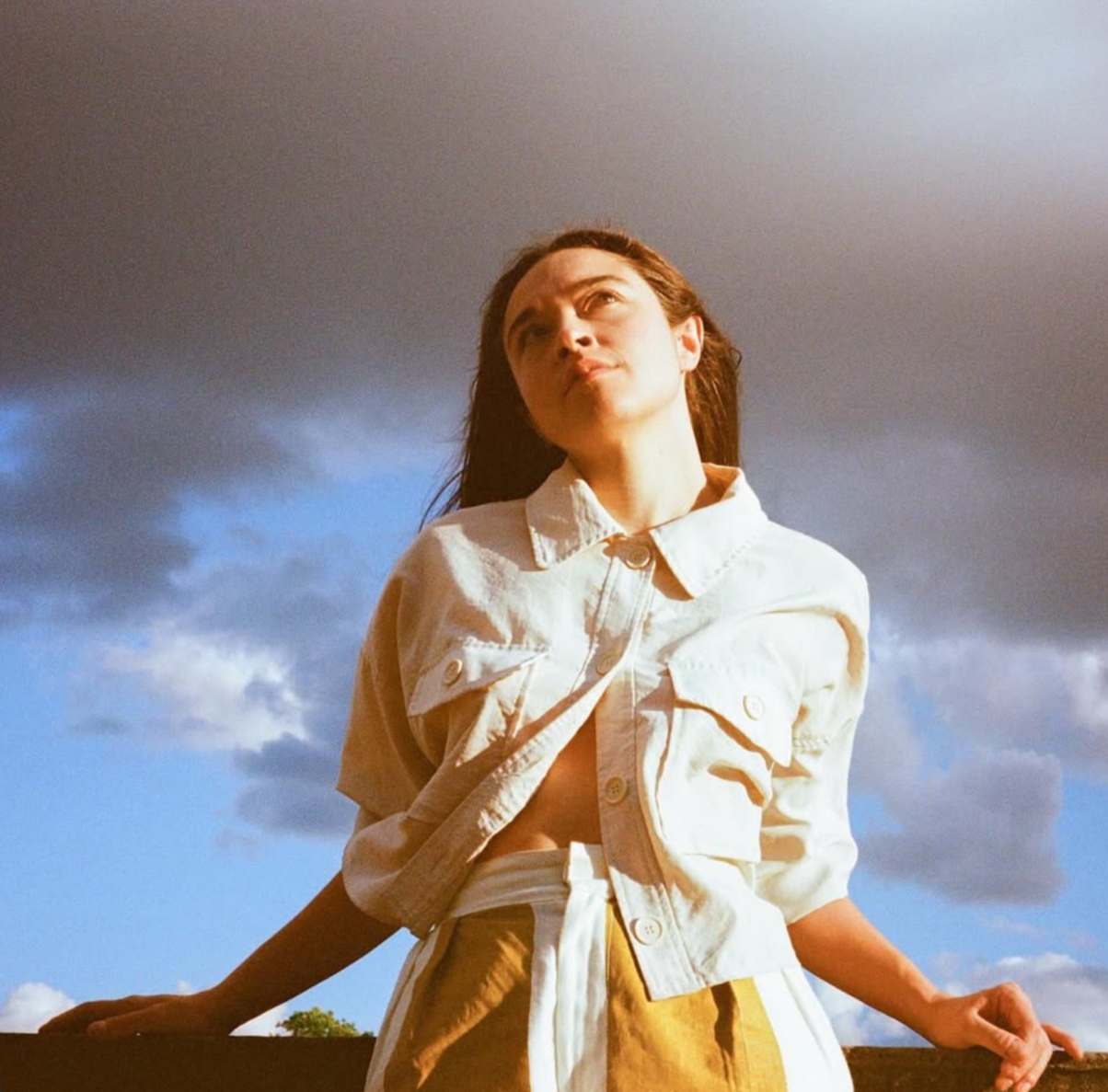
Photo: S Marks
Before your solo efforts, you’ve participated in bands like Marker, The Few, and Ohmme. Tell me about those early days and how, in retrospect, these experiences and events have led you to where you are in your career now. Your ability to inhabit several genres simultaneously is quite interesting. From indie rock to free improvisation, how do you see the contrasts between the creator and consumer as both an artist and a fan when making music? If that makes sense.
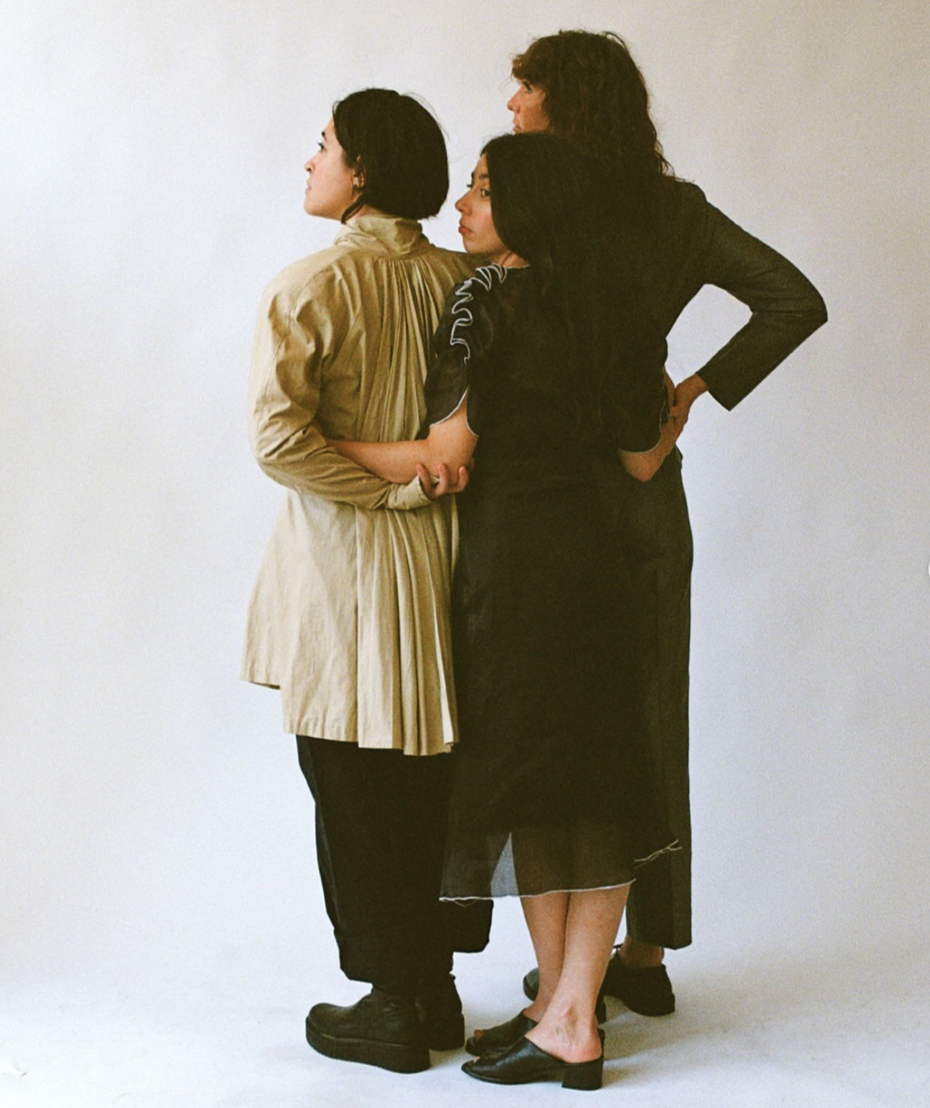
Photo: Leah Wendzinski
Once I decided I wanted to be a musician as a career (and at the time, my identity), I knew I had to follow that path wherever it led me, for it to sustain throughout my life. It started with the idea of going to college for piano, because that seemed the most obvious way to keep playing music. I was also in a band in high school called Kids These Days that started touring successfully very early on, when we were about 16/17 years old. When the time came to make decisions, I decided to stay on the road rather than go to college. I’ve been doing it ever since then. That moment was really pivotal for me, because it cracked me open into thinking about how I could craft a life that made sense for me rather than following what I was told. Kids These Days ended when I was 19, but I felt like that experience gave me confidence in how I navigate life on the road, and also in knowing that a touring career was possible. My second pivotal moment was discovering the vast Chicago music scene for myself in my early 20s- going to clubs like Constellation and The Hideout and Empty Bottle, and feeling this intense hunger to experience it all. I started a band with Sima Cunningham called Finom (At the time we were called Homme, and then Ohmme, but ran into some legal trouble with the name), and began playing in the free jazz/experimental music world, which led me to playing with The Few and Marker and so many other unbelievable musicians that I still play with today. To answer the last half of the question… I love music and making sounds. I love hearing OTHER people make sound. I love playing alone, I love playing with people. Music is my comfort zone, my greatest expanse, and challenge. I have always, always, found solace in sitting in front of an instrument and playing — sometimes more than listening to other music. I often sit in silence when I’m not playing, which is not to say I don’t listen to music. It holds such a precious and forceful place in my life, so I am careful with what I listen to and how I listen to it. It’s a cyclical thing, and listening creatively to the sounds around you and those that others make means just as much as making something yourself. I’m also careful with how I interact with it as an industry. I care deeply about this path being my life, and I know I wouldn’t be able to settle with myself if I tried to make myself more palatable in certain ways to find more success. I often wrestle with whether or not I should put more energy towards writing songs, or making string arrangements, or free improvisation, or any one path at a time, but the truth is that the things I make are made because I am drawn to making them, and are most true to what I want to express.
“I care deeply about this path being my life, and I know I wouldn’t be able to settle with myself if I tried to make myself more palatable in certain ways to find more success. I often wrestle with whether or not I should put more energy towards writing songs, or making string arrangements, or free improvisation, or any one path at a time, but the truth is that the things I make are made because I am drawn to making them, and are most true to what I want to express.”
When you're not working on your music directly, you’re a secret weapon for so many other artists. Tell me about working with bands like Whitney and Jeff Tweedy this year on their highly anticipated albums. Segwaying into your most recent effort, “When The Distance Is Blue”, I must admit, this was not only my introduction to your music, but also the label International Anthem. What was the overall process and approach to bringing this body of work to life, and how did you go about this material compared to previous albums and projects?
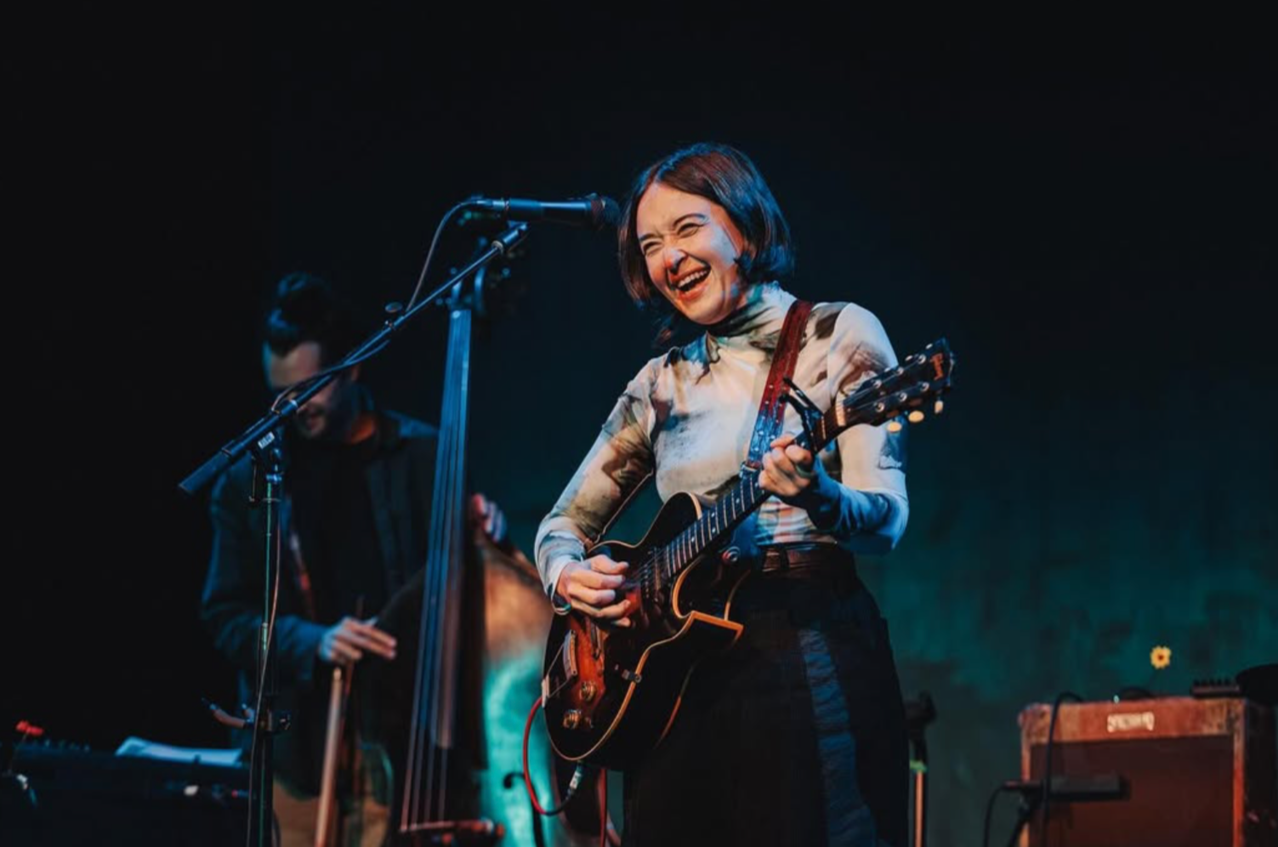
Photo: Josh Druding
Oh, I’m honored that this was your introduction to my music! Thank you so much. I feel really lucky to put out music with International Anthem. They have been ushering in incredible records for the last 10 years, based in Chicago and LA, and I’ve been friends for that long as well. Dave Vettraino is part of International Anthem and is also a dear friend and collaborator of mine. He helped make my first solo record, “Mouth Full of Glass”, as well as mix “Fantasize Your Ghost” for Finom. He approached me about making a record with International Anthem, and I was SO excited because I had been sitting on the idea of starting a record with prepared-piano improvisations. Piano is the instrument I have known and studied the longest, and with that came tons of baggage from some of my classical upbringing. Playing with Marker broke me out of my shell a bit regarding improvising on piano, and through touring with that group, I encountered some truly incredible piano/keyboard improvisers who use unique preparations. My friend Bex Burch (who also has a record on International Anthem) introduced me to playing the piano strings with coins, so I used that method as a jumping-off point and finally fell back in love with the instrument. It was a challenge for me because it was the first record made of instrumental compositions. I’ve done instrumental records that were fully improvised in the past, but this was my first experience creating structures that stand on their own without lyrics. I was really interested in the sounds of the world around me, and how this could take more of a center stage in the record, allowing the feeling of motion within the music communicate the emotional content rather than setting poetry to music. I still had some text that went with the record, but it was not the focal point, and it was really rewarding to work that way. It unlocked some creative instincts for me that I am excited to continue developing with whatever I create in the future.
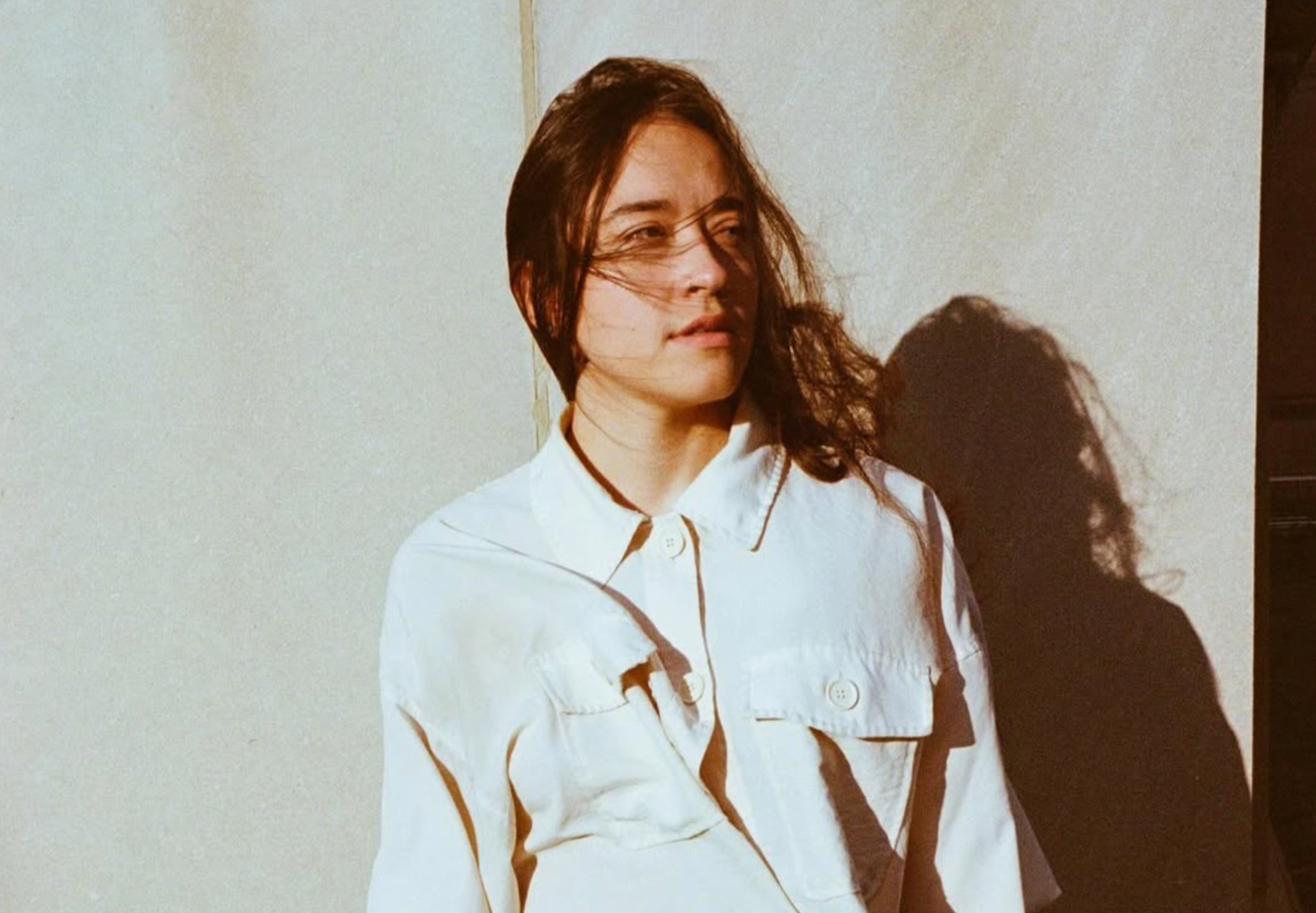
Photo: S Marks
As we start a new year, what are you most excited about? I understand you have some residency dates this month at the Color Club in Chicago, as well as some nights with Jeff Tweedy on the “Twilight Override” tour in March. Is there anything else you would like to share further with the readers?
I am really excited about an upcoming record I have with Whitney Johnson and Lia Kohl, “Body | Sound”, which is coming out March 20th on International Anthem. We have some really lovely dates lined up in the US/EU/UK this year, and it’s such a wonderful experience to improvise night after night. I’m also excited to begin recording a new solo record of songs — I just began demoing them, and have plans to finish recording by the end of the year. There's lots of good touring, and special performances I can’t wait to announce — It’s a full year, but I’m looking forward to some solid rest time in between everything as well.