The Zach Tenorio Interview
Imagine if Thijs Van Leer, Keith Emerson, and Rick Wakeman all traveled to the foreseeable future on some sonic ship across several galaxies in search of a specific pianist to form one of the most exciting and epic quartets in music history. They locate the Los Angeles-based player Zach Tenorio in the harmonious hills of the city’s cosmic circle of liberating lumineers and psychedelic purists, and quickly bring him back to the year 1973. If this were to happen, and who’s to say it couldn’t, Tenorio would be at the top of that liberating list of spiritual subjects selected for such a feat. While capturing the essence of Mort Garson, Stevie Wonder, Rick Wakeman, and Tony Banks, the prolific musician has effortlessly carried the tonal torch of his heroes into uncharted territory as a trailblazer of his own generation.
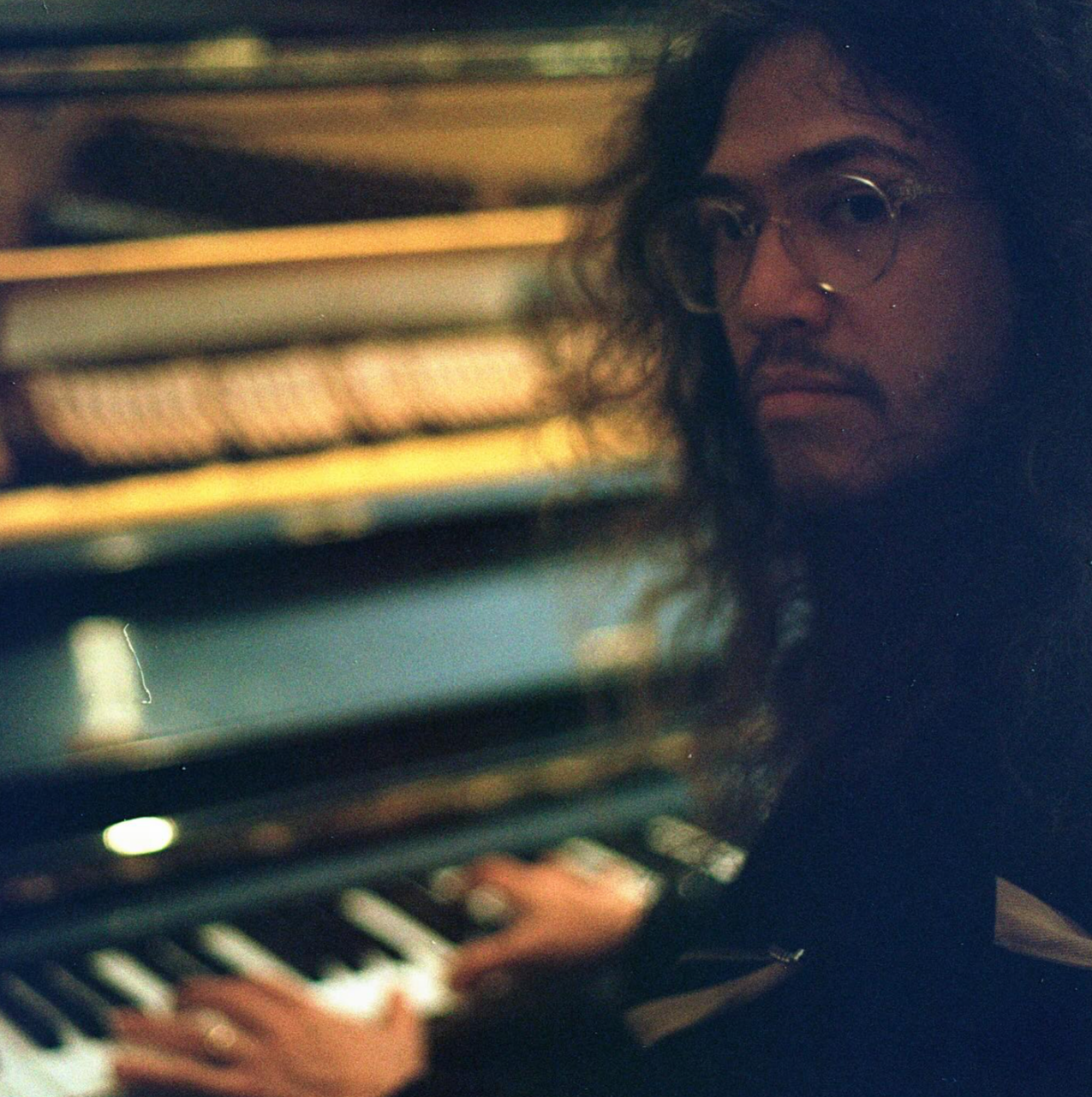
Photo: Kyla Van Maanen
Tell me about your childhood growing up, and how you initially became fascinated with music, specifically the piano. Being a pianist, were you particularly interested in prolific players like Brian Wilson, Brent Mydland, or Warren Zevon, to name a few, right out at the gate, or did you connect with the instrument through other various ways over time?
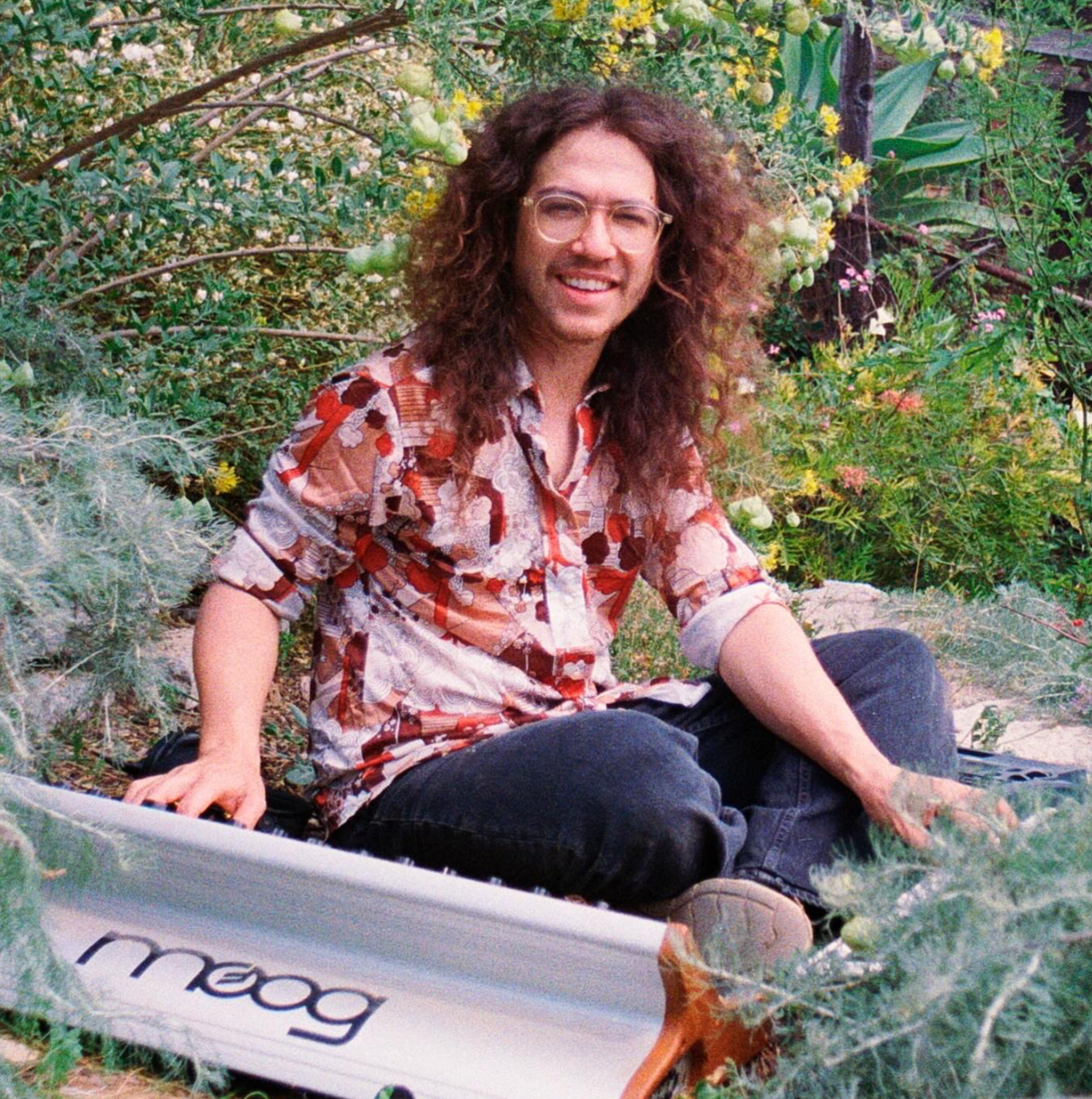
Photo: Kyla Van Maanen
Wow, I had to Google who Brent Mydland was! Just goes to show how much more there is to learn. According to my folks, my love of music began within the first year or two of my life. I would sit for hours on my parents’ red Turkish couch in our San Diego home, listening to The Beatles and Sergio Mendes & Brasil ’66. What started as simple enjoyment quickly grew into an obsession—especially with The Beatles. Before long, I was begging my parents for anything Beatles-related: books, shirts, toys, and CDs. I seemed to own every Beatles-adjacent album available at the time, and at night those CDs slept beside me, lined up with my stuffed animals. I learned to read early, which only deepened my fascination, as I spent countless hours absorbing Beatles trivia. By the time I was five, my obsession had earned me an interview with the San Diego Tribune, where I eagerly stumped the reporter (George Varga) with facts about the band’s early years. My older brother started piano lessons when I was five, and I loved sitting in on his lessons. Soon after (around 1996), I started piano lessons. Practicing was a drag at first. I remember my folks would put ‘30 minutes’ on the microwave timer, and I couldn’t wait for it to be done. I do have several strong, fond memories of improvising when I was six years old. I would hold the sustain pedal down and play all the white notes, and there was something magical about the way the notes would blend. Later, when I started learning Debussy, I understood why those sounds were so attractive to me. My first real piano heroes were the prog greats—Keith Emerson, Rick Wakeman, and Tony Banks. They were the first true wizards in my life, executing excruciatingly challenging passages with seamless ease, like mythical warriors. I wanted to play everything they did as perfectly as I could. Then, at sixteen, I had the honor of touring with Jon Anderson of Yes, performing the music I adored. To this day, Yes remains my favorite band.
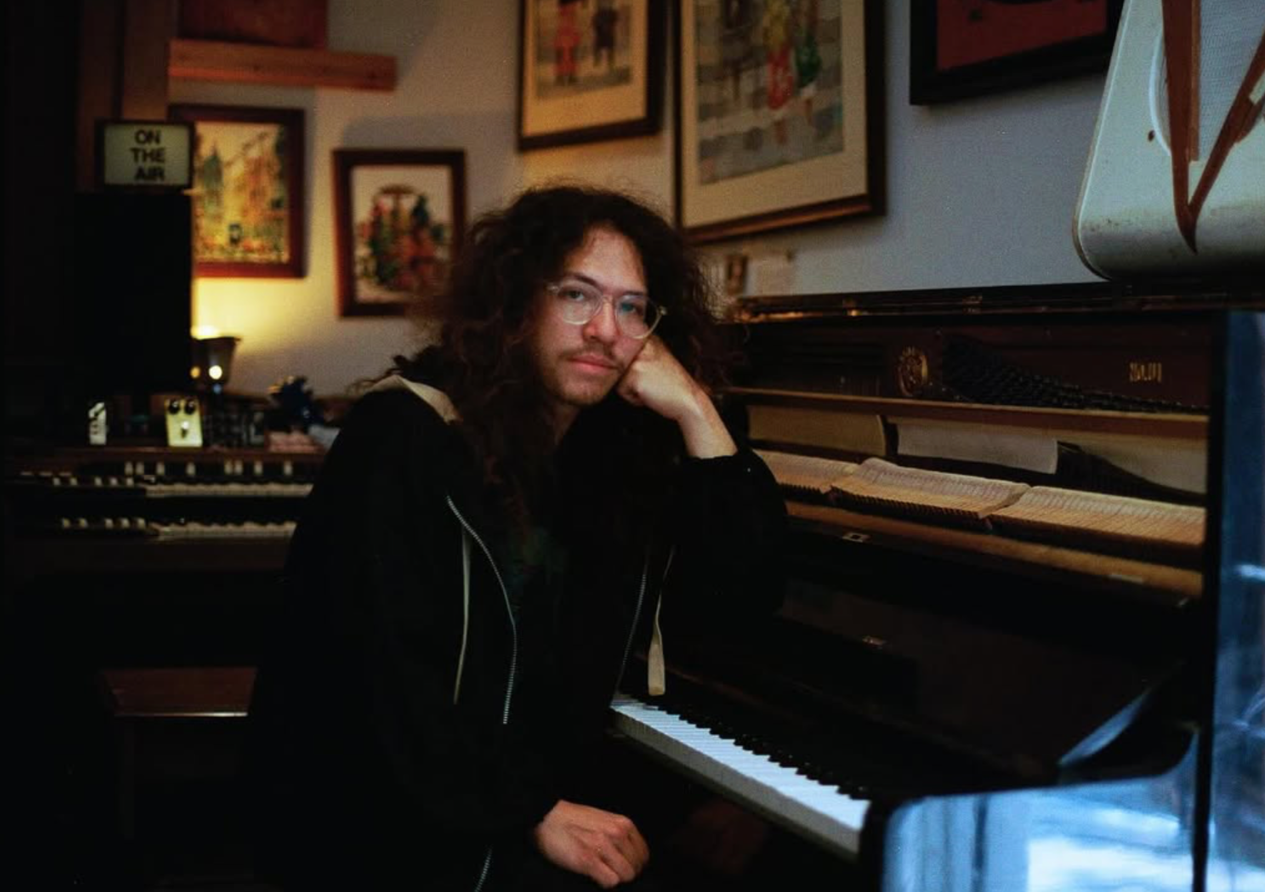
Photo: Kyla Van Maanen
I really dig the Taper’s Choice universe, and the band’s cosmic chemistry with nods to the heavy hitters from back in the day. Coming from the highly impactful world that Arc Iris has established over the last decade and a half, what were some things you were most eager and excited to explore with a new project that is particularly drenched in that rich LA counterculture phenomenon? How did you initially connect with Dave Harrington and the other? I understand the band is gearing up for a tour here soon, with some dates being with our mutual pal Rich Ruth. I’m really hoping to catch the Big Ears set in Knoxville!
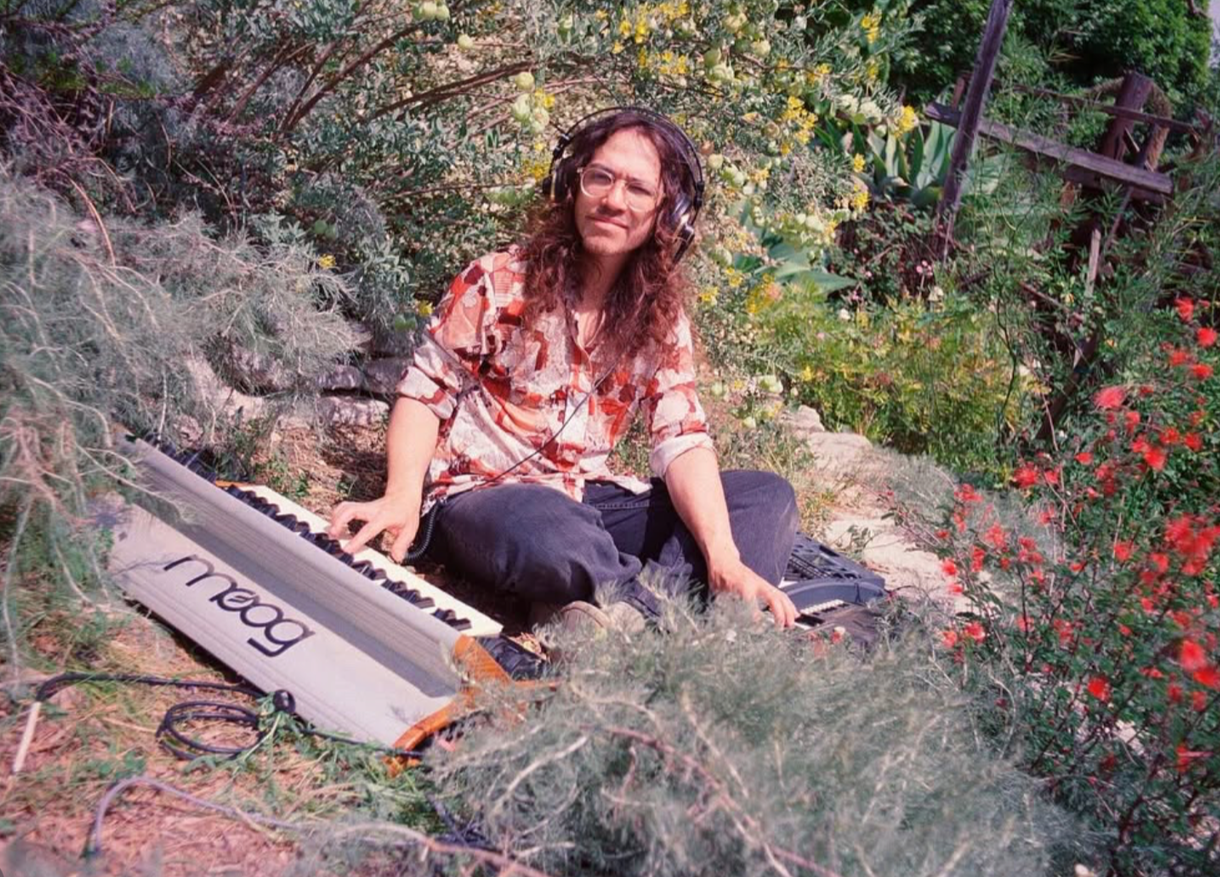
Photo: Kyla Van Maanen
When I joined Taper’s Choice, the jam world was largely unfamiliar to me. I understood the impact of the Grateful Dead and Phish, and I’d attended a handful of festivals in high school, but I’d never truly coexisted within that culture. What struck me immediately was the intensity of the fans’ devotion. Within our first year of playing, people were already bootlegging T-shirts and stickers with our faces on them. Audience members followed our every move onstage, listening for classic song references or themes that revealed themselves over the course of the set. It felt like a friendlier sports culture, drenched in patchouli and tie-dye. Dave and I would occasionally run into each other back when we both lived on the East Coast, but after we moved to LA around the same time, he started calling me for improv gigs. By the time I got the invitation to jam, Bleek, CT, and Dave had already been writing and jamming together.
“My first real piano heroes were the prog greats—Keith Emerson, Rick Wakeman, and Tony Banks. They were the first true wizards in my life, executing excruciatingly challenging passages with seamless ease, like mythical warriors. I wanted to play everything they did as perfectly as I could. Then, at sixteen, I had the honor of touring with Jon Anderson of Yes, performing the music I adored. To this day, Yes remains my favorite band.”
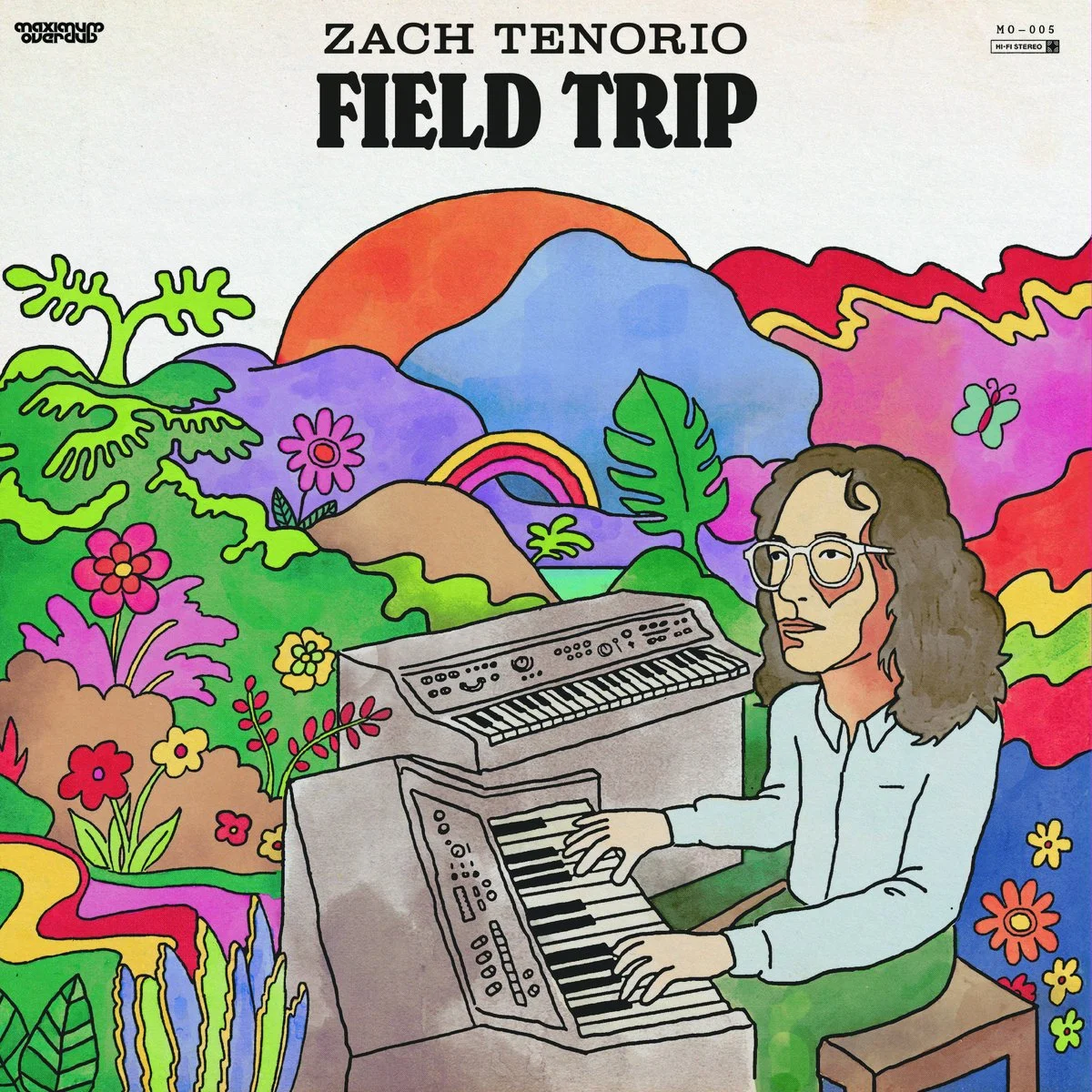
What do you enjoy most about playing in the band? There’s such an extreme line in music where some take the artistic vision way too seriously, and you guys seem to have a healthy balance between professionalism and poetic pursuit. Jumping ahead to your most recent solo effort, “Field Trip”, tell me about this album and the overall process and approach. It’s such an expansive, effortless body of work that blends soul with psych, and the outer reaches of Stevie Wonder’s “Music of My Mind” with Mort Garson. What was most important for you to achieve and express with this collection of songs, compared to previous works like 2021’s plant-based release “Phono Synthesis,” and last year’s holiday special “Synth Guaraldi”?
I think I can speak for the whole band when I say we’re never too precious about our approach, which makes the shows feel so free. This extends to how we present the band online. Our mascot is an anthropomorphic banana named “Hieronymus Bong,” which I think sums up the band nicely. You’re nailing it with those references! I keep a mental list of records I want to make: solo piano record, piano trio record, groovy David Axelrod strings album, 40-minute prog opus record, etc, etc… “Keyboard freakout beat tape a’la DJ Shadow meets Jan Hammer record just happened to be at the top of the list in 2025. With “Phono Synthesis,” there was a clear mission: create a sequel to Mort Garson’s “Plantasia.” With “Synth Guaraldi,” there was also a clear mission: create a funky, dusty old-school synth version of the beloved classic, Vince Guaraldi’s “A Charlie Brown Christmas." With “Field Trip,” my mission was to have fun. Nearly 90% of the record was recorded improvising to drum loops. Sometimes I’d improvise a fully fleshed form, other times I’d chop things up in Ableton. And most importantly, each song had a defining characteristic. I’ll give some examples:
A piano with a Rat fuzz pedal
A Hammond A100 where both manuals are set to the same drawbar setting
What if Jan Hammer played on a Stevie Wonder song?
What if George Duke played on a Yes song?
Only play major-7 chords
Coming up with prompts for myself made it easy to generate new and diverse ideas. I also noticed that in my process, the pieces of music were relatively short, usually around the 90-second mark. I took this as an advantage, and made it a set out to create segues for each piece, making it seem like the listener was on an adventure or “trip”.
Your overall approach to music is truly mesmerizing and eagerly echoes the essences of the jazz greats as well as those rich realms found within soul, R&B, and psychedelia. How do you feel your sound has evolved over the years, from being in different groups for your work as a solo musician? Is there anything you would like to share further with the readers?
That’s very kind of you, thank you! One of my favorite things about getting older is learning about new music. For example, I just heard Link Wray’s 1971 album for the first time a few months ago, and The Left Banke’s "There's Gonna Be a Storm” for the first time yesterday, and had to listen to it over a dozen times. This constant discovery is what fuels my evolution as a player. I’m always shocked when I meet jazz musicians who only listen to classic jazz. I wonder if that’s a product of studying jazz at college. The more you know, the richer you’ll play! I adore playing in all my various projects, Arc Iris, my band of 13 years, Taper’s Choice, and my dear friend, Willow Smith. There’s so much to learn from playing with different people! “Field Trip” and “Prog Hat” (Taper’s) weren’t the only albums I put out in 2025 – my project with Arc Iris, and Ryan Miller from Guster, aka BWAHAHA, just dropped, and I’m so proud of that one. I’ve heard it described as a Yacht-rock Björk. If you live in LA, come out to Glass Hill!