The Václav Havelka Interview
Czech Republic-based singer-songwriter, producer, promoter, and frontman behind all things Please the Trees for the last seventeen years, Václav Havelka has been developing his calculated craft for well over two decades. He’s simultaneously balanced the eager ecosystems of the music business as both a melody maker and manager, while hanging his hat on the harmonic hook of several outfits such as Sonic Herbalism, Havelka/Havels, Sun+Dead, and Future Landscapes/fyield. Whether working on his own material or booking bands at the Meetfactory in Prague, Havelka’s energy and merciless motivation as an artist is something to look up to, especially in this day and age. While continuing to ride the woven waves from the intimate impact of the veteran musician’s debut solo album “A Snake Crawling Up A Broken Ladder”, Havelka finds peace during his time in recovery from several spinal surgeries, while finding peace in the principles of trust and openness that can sometimes only be achieved through the suddenness of songwriting.
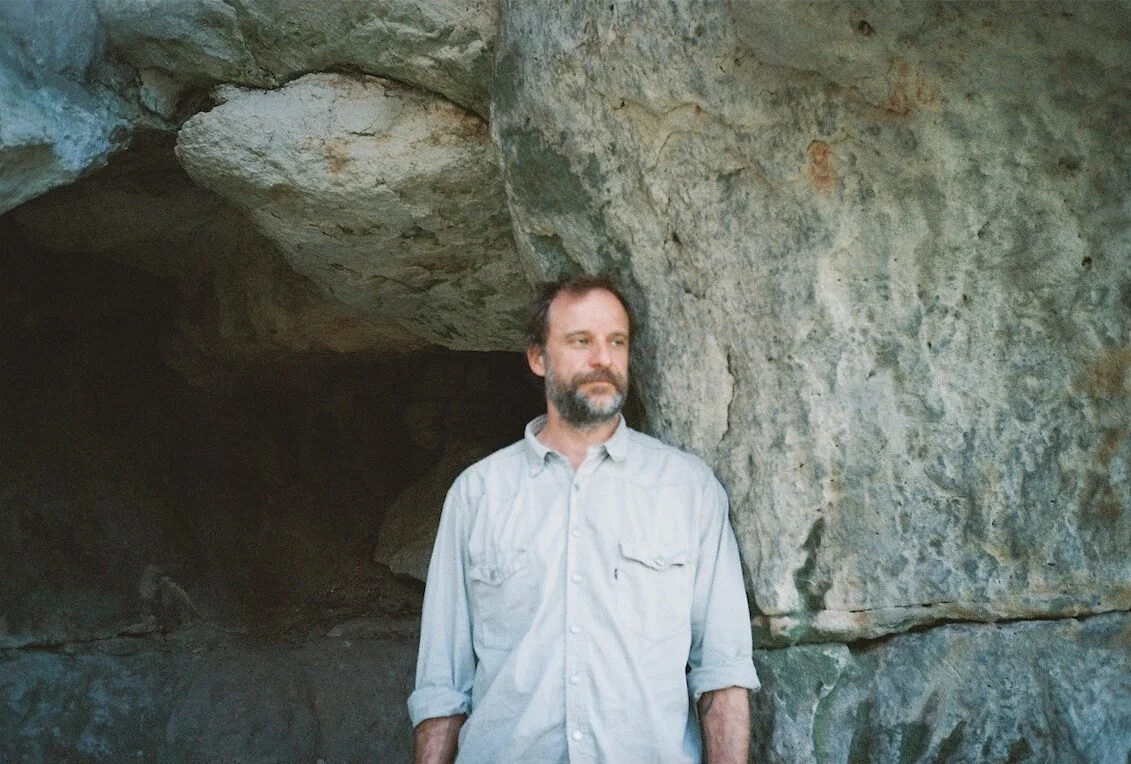
Photo: Tomáš Luňák
Tell me about growing up in the Czech Republic and how you initially began connecting with music. Was there a fairly quick response to those formative findings in your youth to your creating music yourself? With the undeniable influence of the previous decades, what groups or specific moments in history fascinated you, and your unique pursuit in the arts?
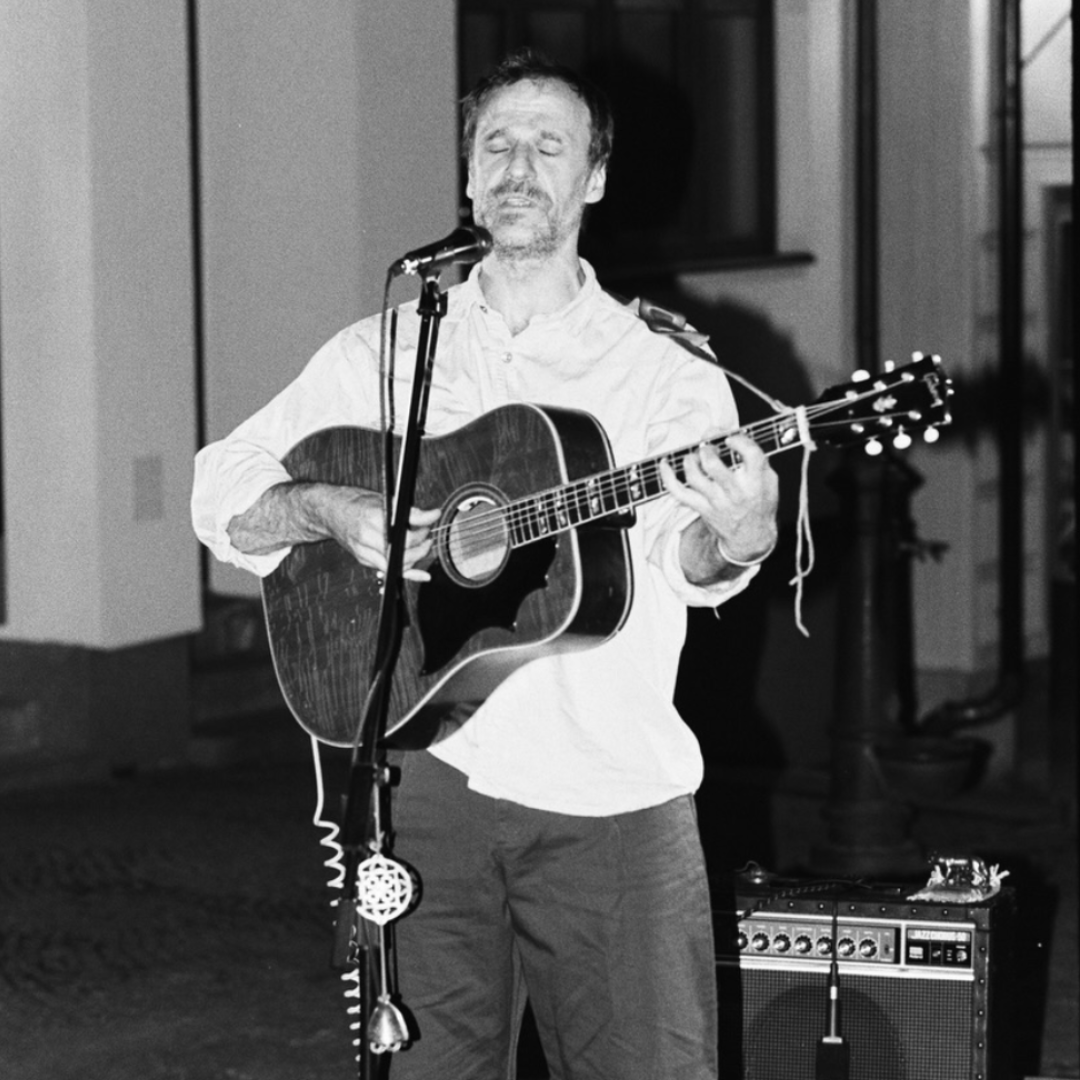
Photo: Dave Borovsky
I don't think I found music. I think music slowly found me. I grew up in the Czech Republic during the years after the Velvet Revolution, when the country itself was still discovering who it wanted to become. My childhood was spent mostly in the Krkonoše Mountains. We moved often because of my parents' work, so I was constantly adapting to new places and new people. Nature became the one thing that never changed. Looking back, I think it was my first teacher. It taught me patience, attention, and the understanding that everything moves in cycles. Living away from the cities also meant that culture never felt ordinary. Every audio cassette, CD, LP, every magazine, every concert carried enormous weight because none of it was easily available. You had to search for it. I wrote letters to labels and musicians, exchanged homemade tapes with people I'd never met, and spent hours reading liner notes. Without realizing it, I was slowly building my own map of the world through music. What fascinated me wasn't the idea of becoming a musician. It was discovering people who were honest with their music. Whether it was American folk, free jazz, experimental music, or the DIY underground, they all seemed to share the same instinct: authenticity mattered more than perfection. Only later did I realize that I hadn't really been searching for music at all. I had been searching for a way of living truthfully. I think that's still what keeps me making records. Not the desire to arrive somewhere, but the opportunity to keep listening, learning, and remaining curious.
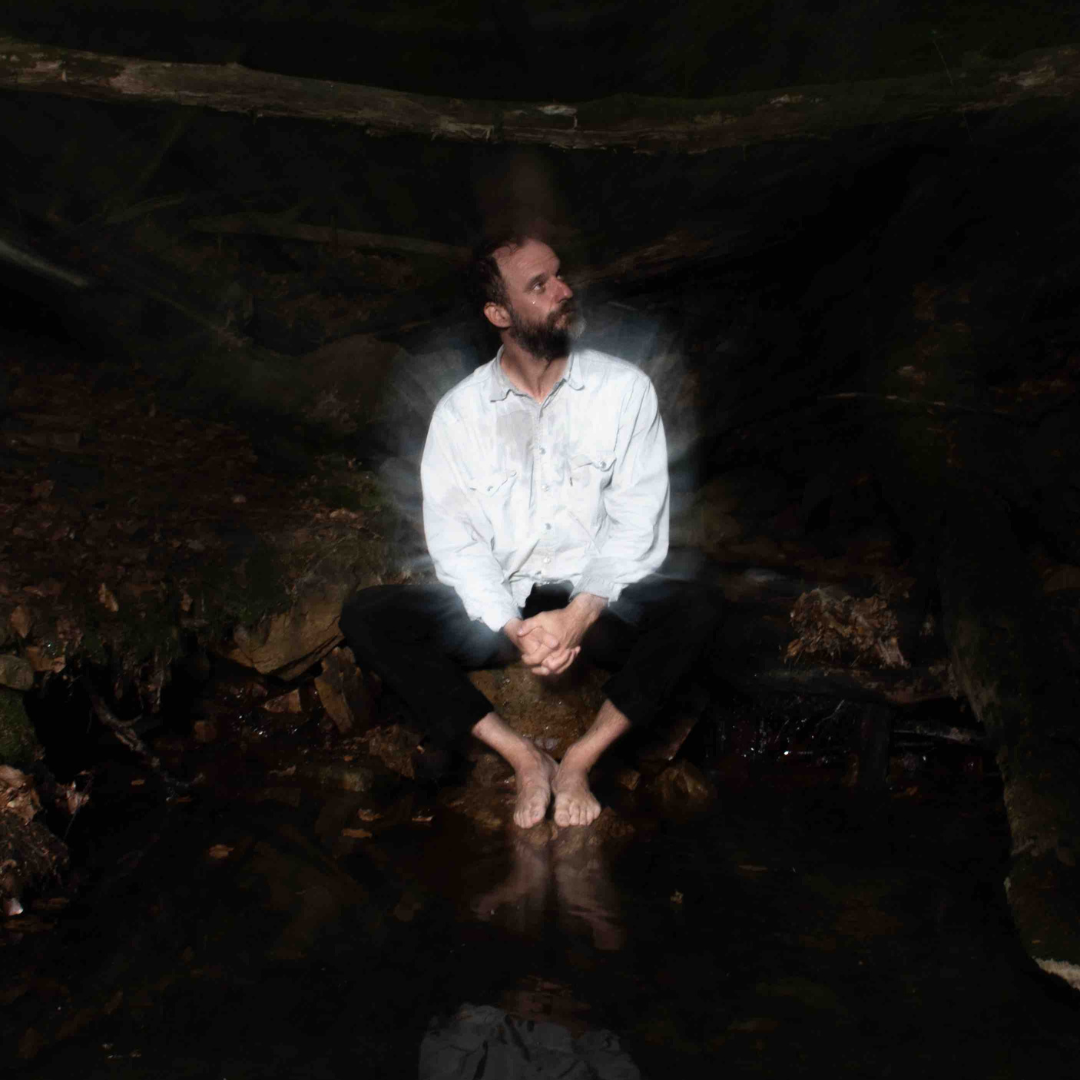
Photo: Lukáš Skála
You’ve participated in all sides of the “industry,” having been in bands like Golden Spine, Kingself, and, most notably, Please The Trees, as well as a producer, manager, and booker. Phew! Before we dissect specific albums, projects, etc., tell me about your balance in these various mediums and how you manage to wear so many harmonious hats in your career.
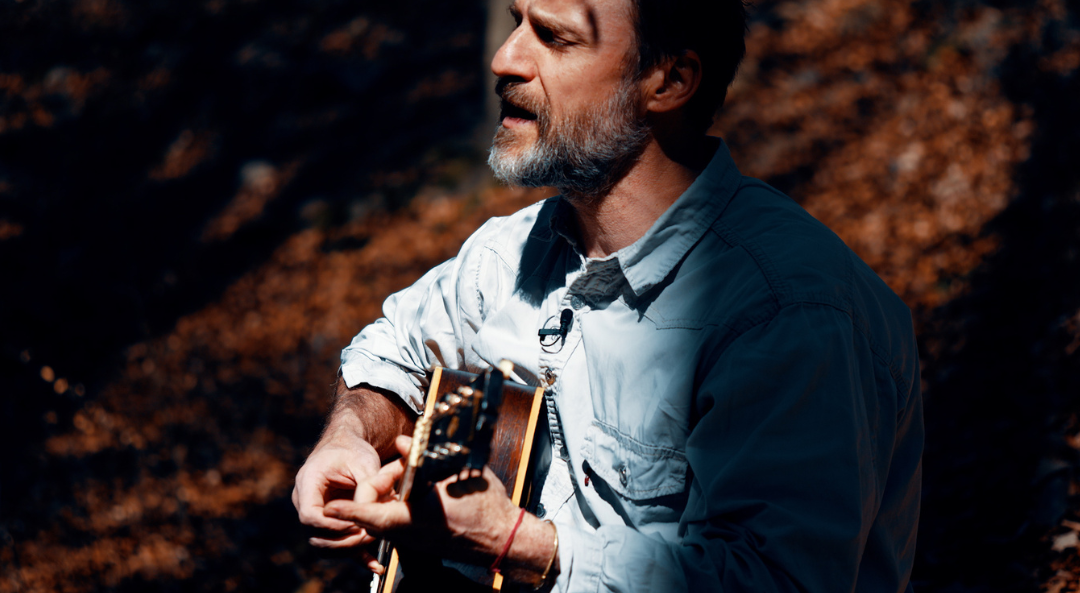
Photo: Linda Arbanová
People often ask which of those roles feels most like me, but I honestly don't separate them. I've been the musician sleeping on someone else's floor or in someone else's bed after a concert, and I've been the person making that bed for a touring band. I've driven artists across Europe, loaded vans before sunrise, negotiated contracts, produced records, booked festivals, and now curate a year—round concert program at MeetFactory in Prague. Every role has shown me a different side of the same world. One thing those experiences have taught me is that culture is never created by artists alone. We often celebrate the person standing under the spotlight, but every concert or record depends on an entire community of people whose names are rarely remembered — promoters, technicians, volunteers, labels, independent record shops, photographers, radio hosts, and audiences. Music survives because people choose to care for it together. Moving between these roles has also changed the way I relate to people. When you've experienced the pressures and responsibilities on every side, you become slower to judge. You realize that everyone is carrying something invisible. At times, it can be complicated because each role asks for a different part of you. Writing songs requires openness. Producing asks for perspective. Curating demands that you put your own taste aside and create space for other voices. None of these roles is more important than another. They remind me that music has never been an individual act. In the end, I don't think of myself as someone with many professions. I feel fortunate to participate in the life of music from different places. Some days I'm the one making the sound. Other days, I'm helping someone else be heard. Both feel equally meaningful.
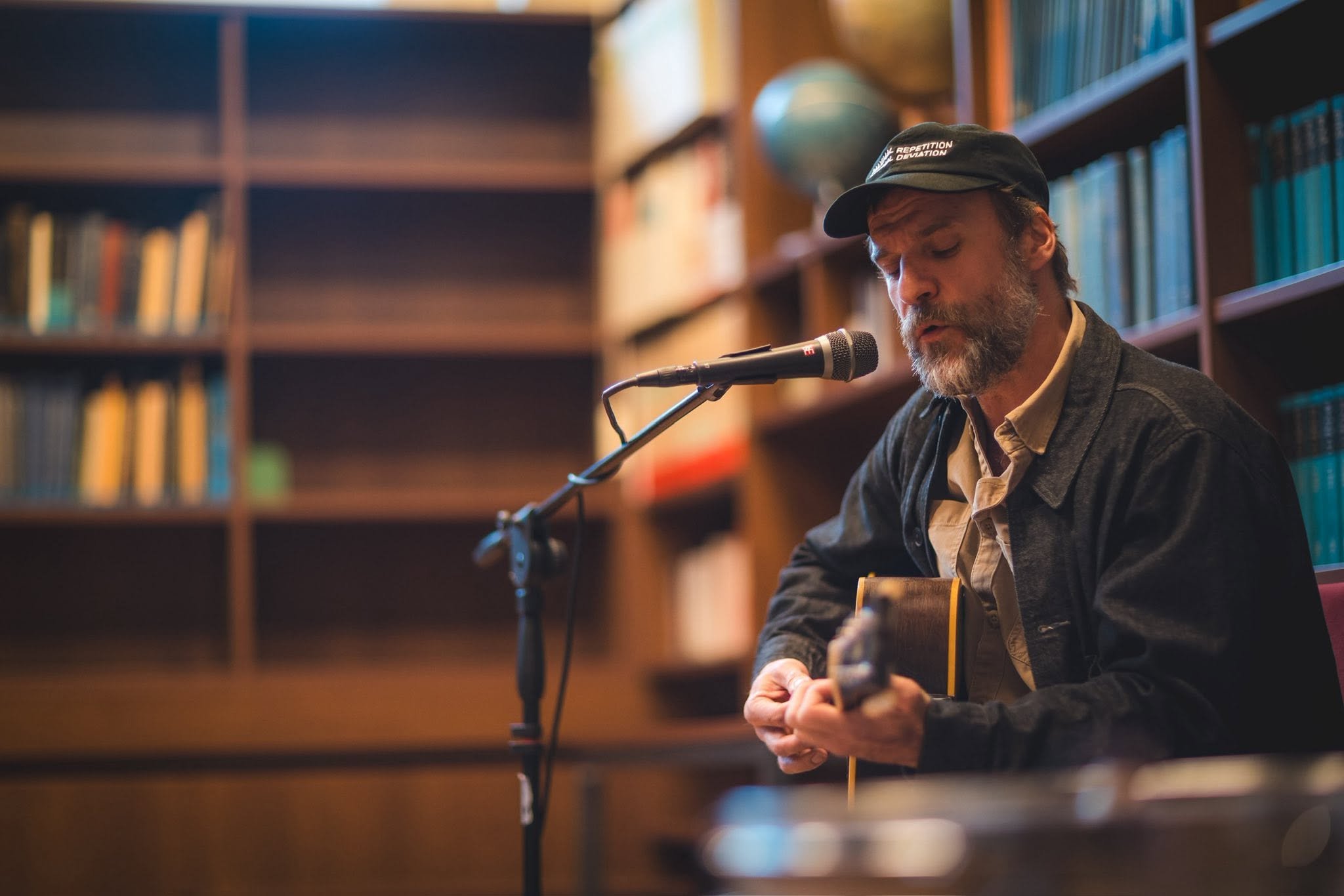
Photo: Jindřich Oplt
What has been the overall experience of playing in groups versus helping to set up shows for groups? Is it like the “man behind the curtain” in The Wizard of Oz, where you know the systems, levers, and pulleys, but you’re also trying to maintain the magic of music?
Absolutely. When I was younger, I thought a concert began when the lights went down. After years of organizing shows, I know it begins much earlier — with an invitation, a conversation, someone loading a van before sunrise, someone checking cables, someone deciding to leave home and spend an evening listening with strangers. A concert is an extraordinary act of cooperation, a shared ritual that celebrates the present moment. Knowing everything that has to come together has made me much more grateful. I no longer feel that I'm performing for an audience. It feels more like we're creating something together. Every person in the room shapes what the music becomes. Working behind the scenes has also changed the way I look after other musicians. Touring can be wonderful, but it can also be lonely and exhausting. Audiences see ninety minutes on stage; they don't see the long drives (I remember tour-managing bands long before Google Maps, navigating from city to city with nothing but paper maps), the uncertainty, or the constant movement between unfamiliar places. Spending years welcoming artists has taught me that hospitality isn't separate from culture — it is culture. Maybe that's why I still believe so deeply in live music. In a world where so much of our experience has become fragmented, a concert remains one of the few places where people gather with a shared intention to listen. For a couple of hours, strangers agree to give one another their attention. That feels almost radical today. I never walk onto a stage assuming something special will happen. Live music is fragile. But now and then, everyone in the room becomes completely present, and for a brief moment, the boundary between performer and audience disappears. Those are the evenings I keep coming back for.
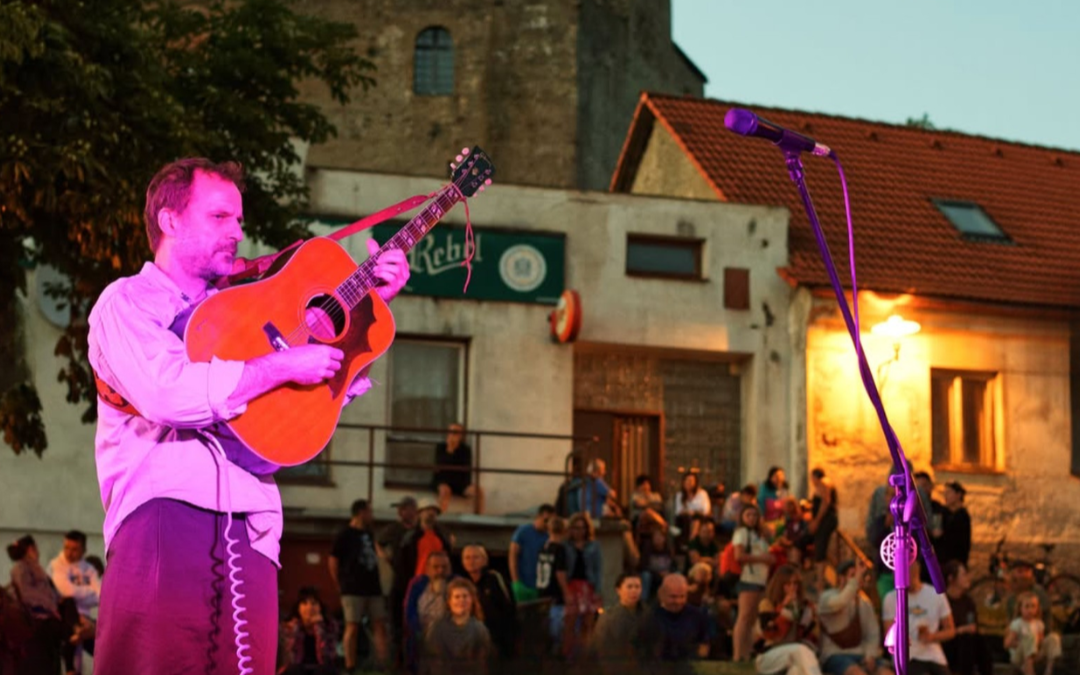
Photo: Marek Malůšek
With singing graces coming from the likes of Ben Chasny, Bonnie “Prince” Billy, Thor Harris, Tony Crow, and our mutual friend James Toth, to name a few, you’ve bottlenecked so much emotional experience and creative charisma into what would eventually become your debut solo album “A Snake Crawling Up A Broken Ladder.” Recorded between 2022 and 2024, what ultimately motivated the decision to release this wonderful body of work during such a tumultuous time in our world? I’m curious to know about the overall process, the atmospheric approach to this material, and what was most important to express as well as explore with these songs.
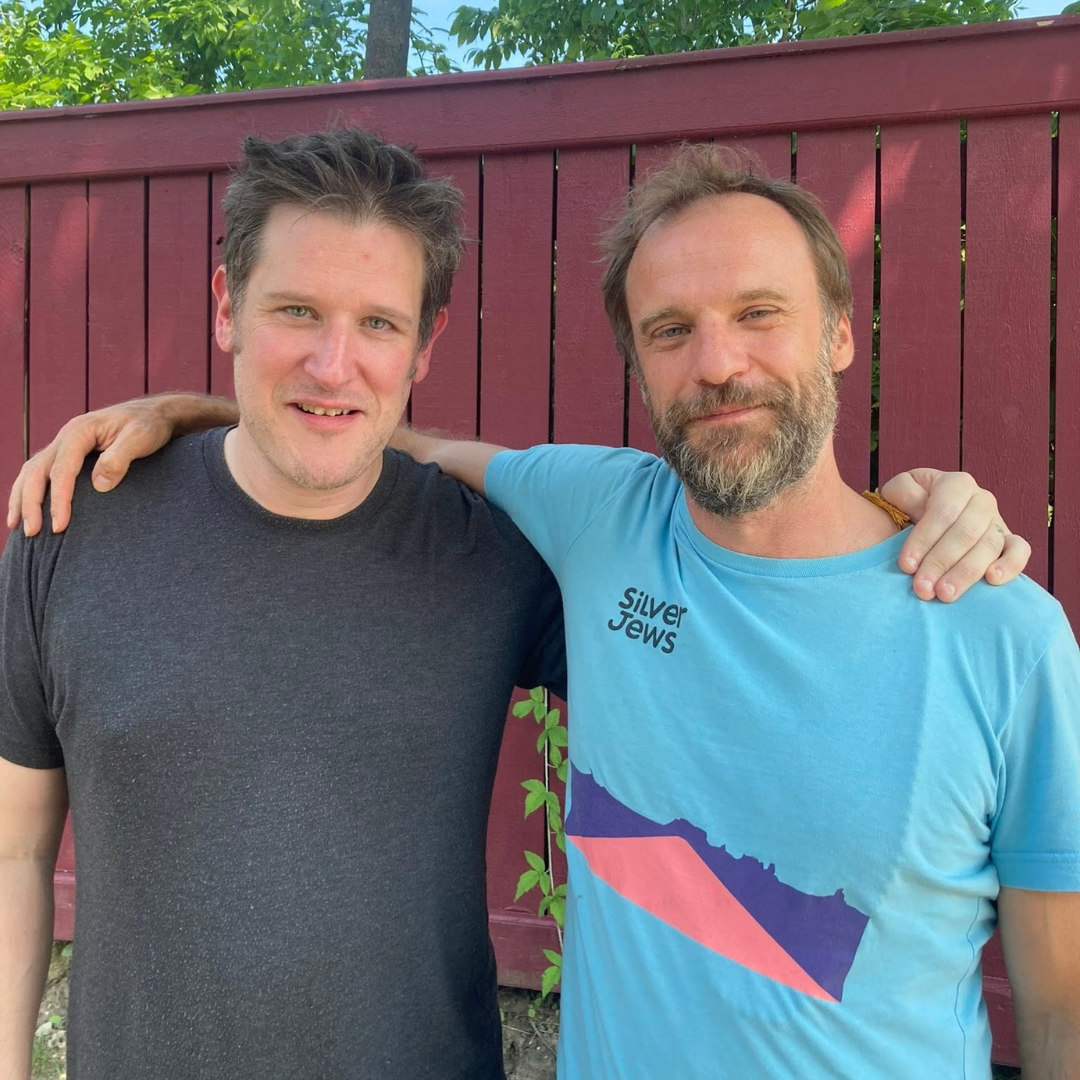
I don't think the album exists because I became ill. Illness was the only circumstance that forced me to stop. For many years, I measured my life through movement. Touring, organizing concerts, producing records, planning the next project — I rarely questioned that rhythm because it felt natural. Then my body refused to continue, and around the same time, the pandemic brought the entire world to an unexpected standstill. When everything stopped, many of the identities I had built over the years did as well. I couldn't perform, I couldn't travel, and for a while, I couldn't imagine who I was without constantly doing something. It gradually revealed a part of myself that didn't depend on productivity or achievement. I began listening more carefully — to my body, to the people around me, to nature, and to the quieter thoughts that had always been there beneath the noise of everyday life. That's where this record comes from. I don't hear it as an album about illness. I hear it as an album about paying attention. About discovering that vulnerability isn't weakness, and that surrender doesn't necessarily mean defeat. Sometimes it's simply the moment we stop resisting reality and begin learning from it. Most of the songs began as simple voice memos on my phone. They weren't written with an audience in mind. They were observations — small attempts to understand a life that suddenly felt unfamiliar. Looking back, they resemble prayers more than compositions. Not because they provide answers, but because they begin with listening. If there's one thread running through the album, it's the movement from control toward trust. I think that's something all of us encounter eventually, whether through illness, grief, love, parenthood, or simply growing older. My story is only one expression of a much more universal human experience.
“I began listening more carefully — to my body, to the people around me, to nature, and to the quieter thoughts that had always been there beneath the noise of everyday life. That’s where this record comes from. I don’t hear it as an album about illness. I hear it as an album about paying attention.”
Recorded on an iPhone SE, I’d love to know some of the backstory to tracks like “Lotus Heart”, the album’s epic opener “Ask Forgiveness,” and “Home”. Since the release of the album back in May, what are you most proud of about the release, whether it’s been the response, the impact on your life, both personally and professionally, etc.?
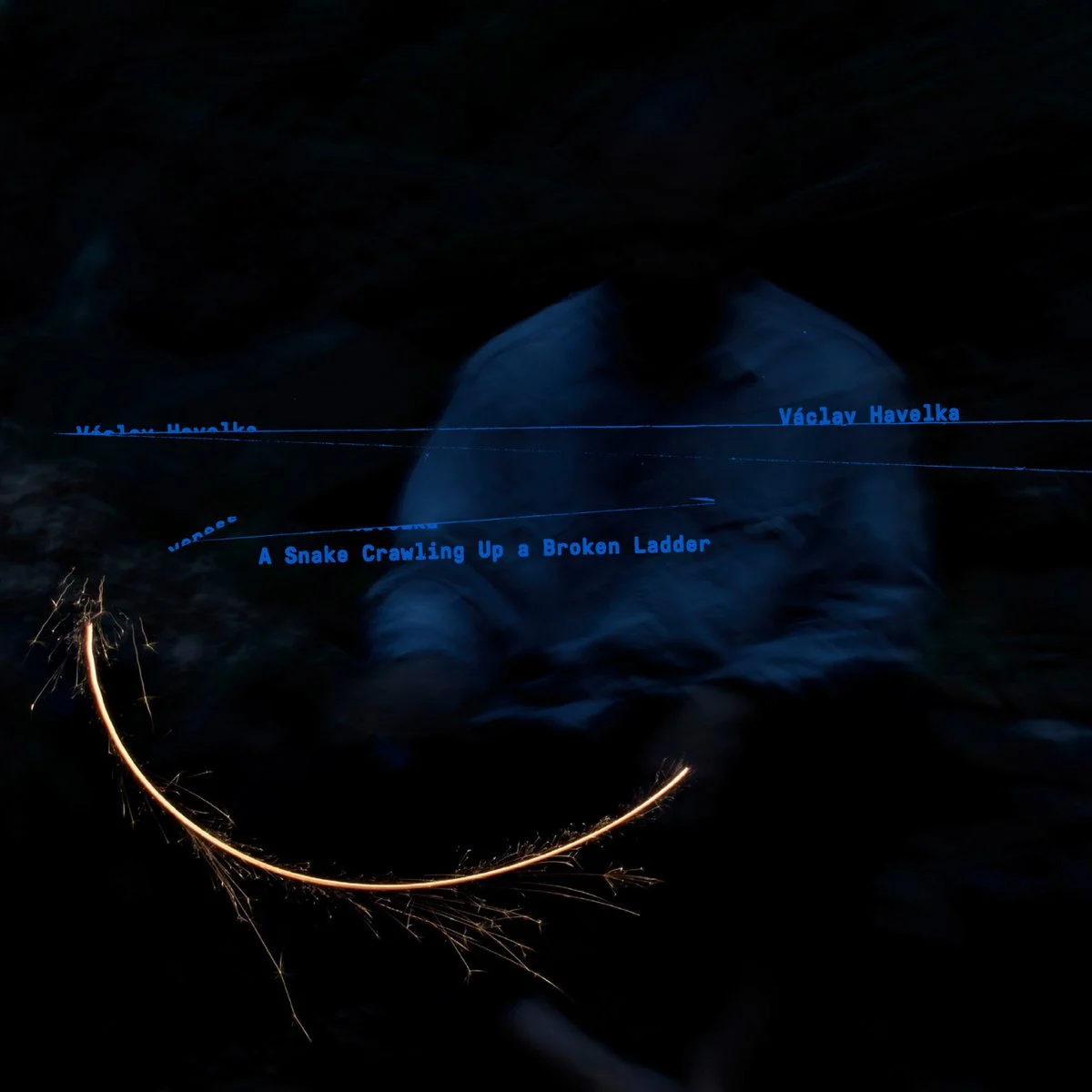
They're less like individual songs than landmarks along the same journey. When I listen back, I don't hear someone trying to make an album. I hear someone gradually learning to pay closer attention. Earlier in my life, I often wrote about landscapes. This record feels different. The landscape has become relationships. “Ask Forgiveness” begins with humility. It's about recognizing that our lives are sustained by countless visible and invisible gifts — other people, the natural world, and generations that came before us. The song isn't asking us to feel guilty. It's inviting us to remember that we belong to something much larger than ourselves. “Home” asks what it really means to belong. Not so much to a place, but to another person. To discover that home can exist wherever trust, acceptance, and everyday tenderness are present. “Lotus Heart” turns inward. Although the song is instrumental, the theme is to remain open after suffering instead of allowing pain to become another wall between ourselves and the world. I think healing isn't about returning to who we once were. It's about becoming someone more compassionate because of what we've lived through. Together, these songs aren't trying to explain life. They're asking a much simpler question: How do we learn to relate well? To nature, one another, and to ourselves. Everything else grows from there. The feeling that the songs no longer belong to me. While I was writing them, they felt deeply private. Once they were released, they began collecting other people's stories. I've had conversations with listeners who've spoken about grief, illness, divorce, parenthood, loneliness, and hope. Many of them weren't hearing my story at all. They were hearing something of their own. That's incredibly moving because it reminds me that music only truly begins its life once it leaves the person who created it. Of course, I'm grateful for the reviews, the interviews, and the international response. Coming from a relatively small country with an independent music scene, it's been deeply encouraging to see these songs travel so far beyond where they were written. But recognition isn't what stays with me. Connection does. Music doesn't need to solve our lives. Sometimes it's enough that it quietly reminds us we're not carrying them alone.
Photo: Lukáš Skála
Is there anything else you would like to share with the readers?
The older I get, the more comfortable I become with not knowing. When I was younger, I wanted music to express what I believed. Today, I'd rather it reveal something I hadn't understood before. That's one reason I built my current live band almost entirely through intuition. I invited musicians I admire - not because they could faithfully reproduce the record, but because they're people I genuinely enjoy being around. We rehearse just enough to trust one another, then we leave space for improvisation. The concert becomes a conversation rather than a reconstruction. The songs are free to evolve, and so are we. One thing I've rediscovered through this project is joy. For years, I probably associated seriousness with artistic depth. I don't believe that anymore. Some of the deepest moments I've experienced on stage have come through laughter, risk, spontaneity, and complete trust between musicians. Those moments can't be rehearsed. They can only be welcomed. If “A Snake Crawling Up A Broken Ladder” offers anything, I hope it's an invitation to slow down, to become a little more curious than certain, and to treat ourselves and one another with greater kindness. I also hope it speaks to men. Many of us grow up believing that strength means carrying everything alone. My own experience has led me somewhere very different. I hope my two sons grow up knowing that tenderness isn't the opposite of courage. It may be one of its deepest expressions.
https://www.instagram.com/vac_lavhavelka/
https://vaclavhavelka.bandcamp.com/album/a-snake-crawling-up-a-broken-ladder