The Shigeru Uchiyama Interview
Born and raised in Osaka on Honshu Island after the Second World War, Shigeru Uchiyama is perhaps one of the greatest living jazz photographers of our time. His portfolio is as poetically prolific as the discographies of his harmonious heroes, and his eye as eager as an eagle stalking its prey. Throughout Uchiyama’s compelling career, he has captured the esoteric essence of some of the most iconic individuals in the world of Jazz. From Bill Evans to Sun Ra, Chet Baker to Herbie Hancock, for half a century Uchiyama’s work has carefully documented these liberating legends on and off stage. The veteran photographer’s relationship with Miles Davis began in the early 1980s, while Davis was touring Japan during his highly anticipated return to the “Land of the Rising Sun”. The two formed a relationship that required patience and resilience before eventually growing close, working together on both a personal and spiritual level.
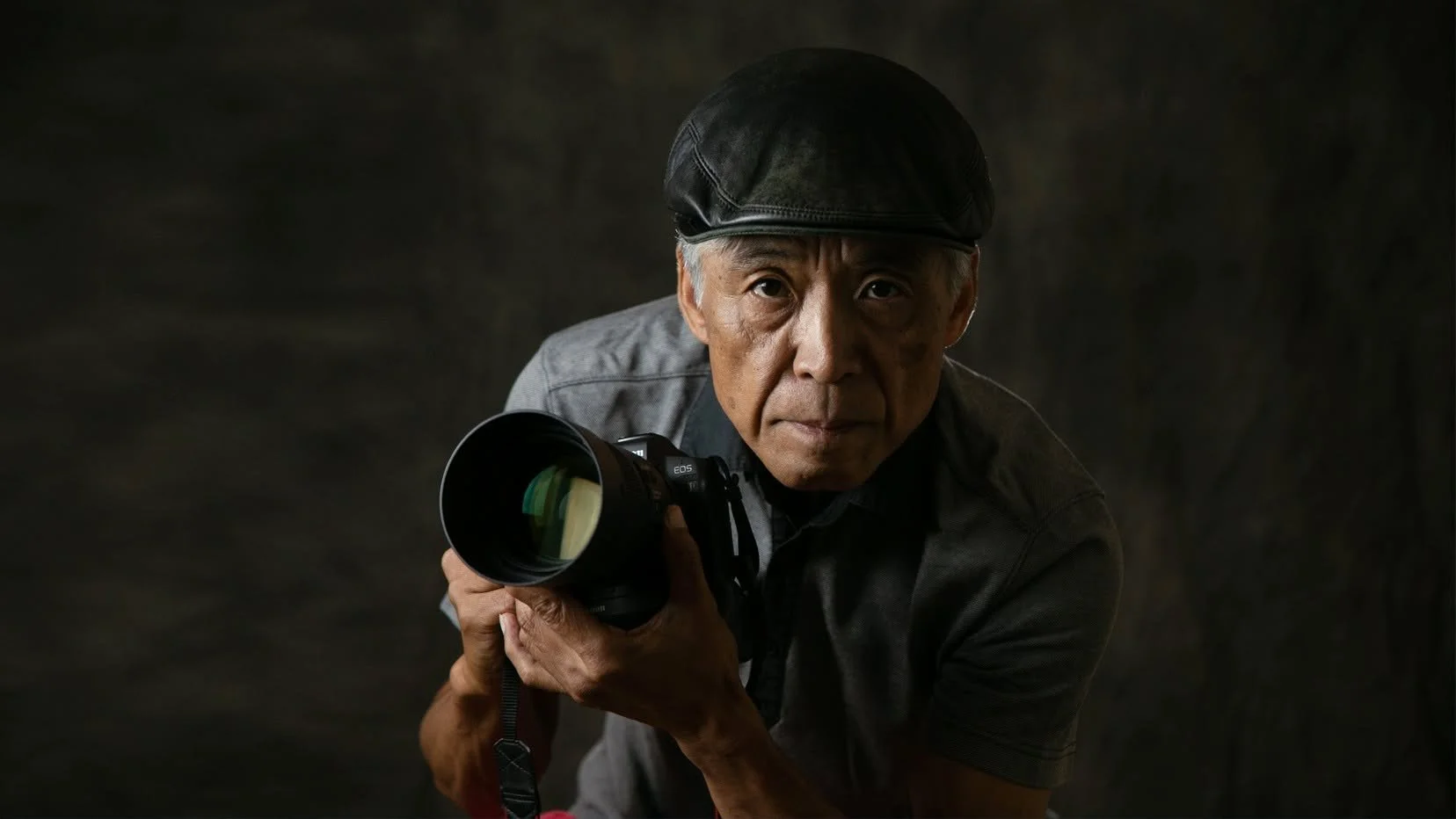
Born and raised in Osaka on Honshu Island during a time when the ecosystem was still recovering from the horrific aftermath of WWII, what were those formative years like for you, and when did you initially become interested in music and art? I understand you were originally a freelance photographer before you began working in the intimate industry of jazz music. With Tokyo quickly becoming such a massive magnet for musicians over the decades, it seems like your spiritual subjects just came to you. Can you tell me about some of your experiences shooting folks like Bill Evans, Sun Ra, Herbie Hancock, Mingus, Dexter Gordon, Chet Baker, and Sonny Rollins, who we recently lost? When did you begin the transition from shooting musicians live to conducting more intimate-style sessions in a more personal setting?
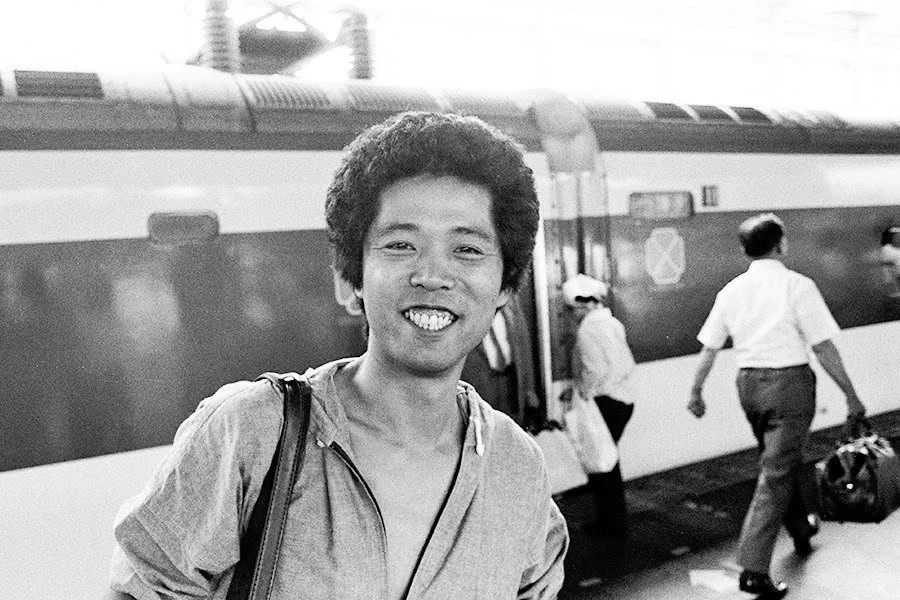
I was born in 1951—a year that marked a major turning point in post-war era Japan, as the country signed the San Francisco Peace Treaty on September 8th, rejoined the international community, and saw the launch of commercial radio broadcasting. My interest in music began when I was in junior high school and was assigned the trumpet in the school's brass band club. The Tokyo Olympics were held in 1964, and at the time, I was obsessed with playing the Olympic fanfare. It was in autumn 1975. I was asked, ‘Would you try shooting jazz scenes?’ My first assignment was the Tokyo performance of Dave Liebman and Lookout Farm. I was 24 years old. There are so many musicians, so many people, and just as many stories. But if we're talking about the very beginning of a career... When I was 24̶ just a few months after I started photographing jazz̶ Bill Evans came to Japan, and I had the opportunity to photograph him. I remember crawling right underneath the piano to take the shot; the people involved just gave a wry smile. I was fearless. At the time, the work involved magazine features that sought to capture a multifaceted portrait of these musicians—documenting. However, there were also many instances when I took photographs purely on a personal level, independent of any assignment. The results were born from a blend of just the right amount of tension, a sense of historical mission, and the simple joy of savoring each moment as it unfolded.
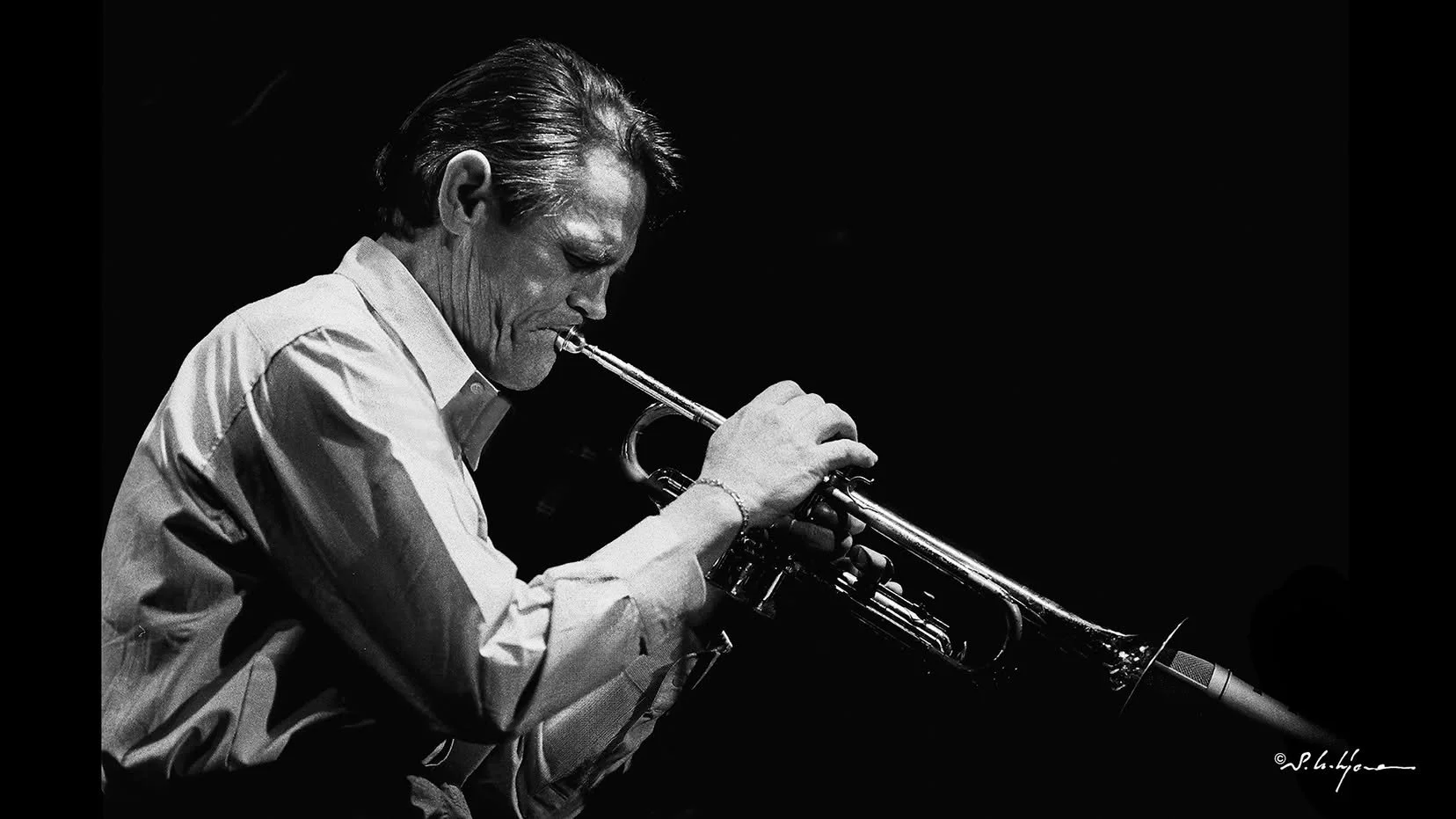
©︎ Shigeru Uchiyama - Chet Baker
How did you initially meet “The Sorcerer”, or commonly known as Miles Davis, and what eventually led to you becoming friends in the process of creating this wonderful body of work together? The 1980s were a huge deal for Miles, with an entirely new generation of players and fans wanting to be in his presence. I’m curious about the overall atmosphere you guys worked in during that time, and how you personally managed to keep your work separate from all the colorful chaos that typically surrounds the music world.
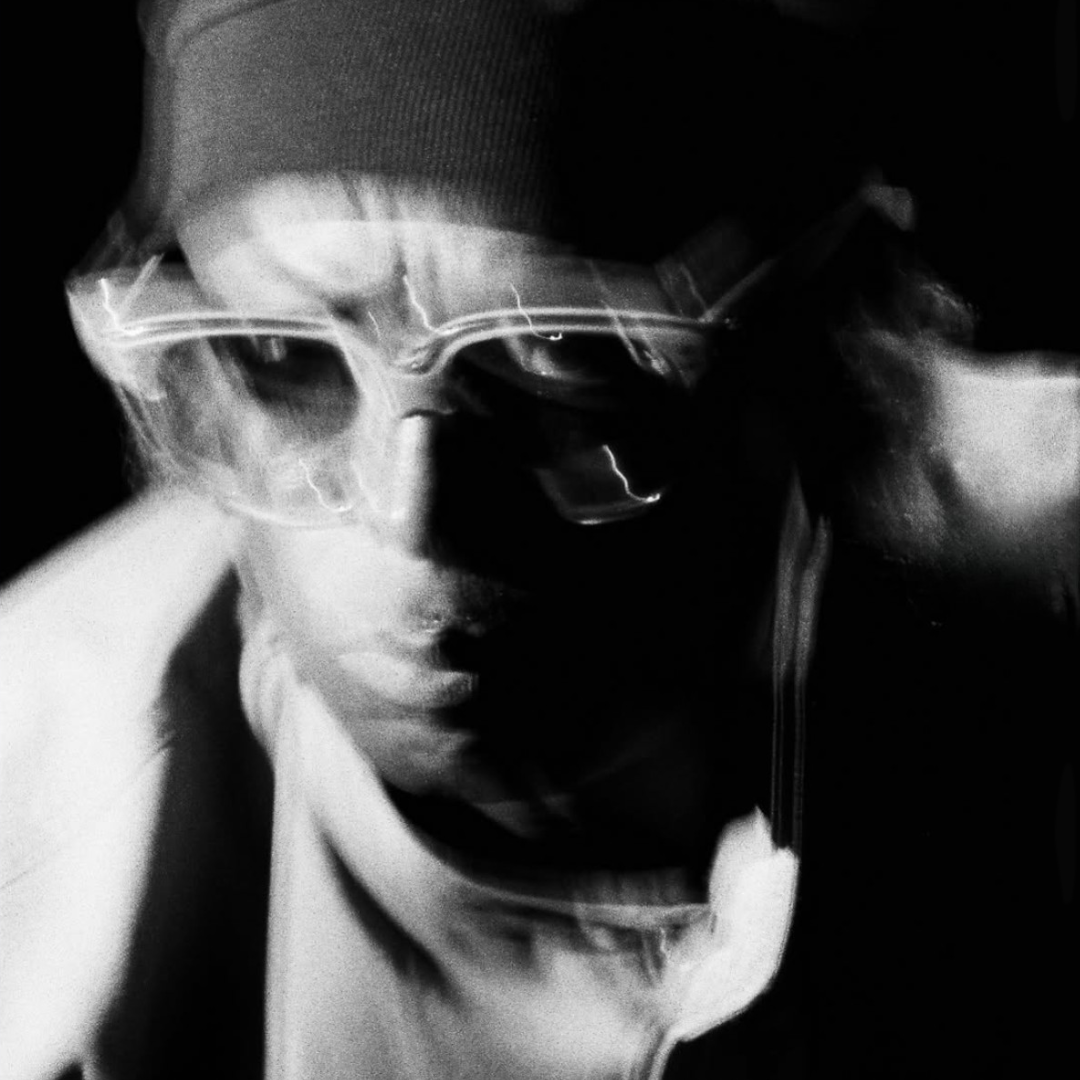
©︎ Shigeru Uchiyama - Miles Davis
After the concert on the final day of the Tokyo performances, I took a group shot where all the members were backstage (in the dressing room). After a few sounds from the shutter, Miles walked towards the exit without a word or showing any expression, and I felt intimidated. Miles arrived at a hotel in Nagoya for concerts. When I pointed my camera at him, he stared hard as he walked towards me and said, “No picture!” His voice was hoarse, and he had a piercing look. Those were the very first words I ever heard Miles utter. I stood frozen on the spot. I had dreamed of pointing a camera lens at Miles, but I became frightened and overwhelmed with fear. When Miles came to Japan in 1981, I was just one of the press photographers who annoyed him. However, he might have seen my photos in jazz magazines and perhaps realized that the person who took those photos was me, who chased him around all the time. Two years later, when he came to Japan again for another Japan tour and I got close to him again, he grabbed my arm and said, “I’ll show you shadowboxing. Follow me.” He beckoned to me to the swimming pool and said: “Why don’t you have a camera while I am swimming!?” When he saw sumo wrestlers, he said: “I’d like to take photos with them.” He used to hate being photographed, but his attitude toward photography had changed greatly. He said he showed his friends his smiley photos, telling them, “Jap made me smile so nicely.” I seldom asked Miles for permission to take photos. As a photographer with a camera near him, it was obviously my intention to take photographs. Miles rarely asked me to take or not to take photos because I am a photographer who has a great sense of when to shoot and when not to. If I had tried taking photos at the wrong moment, he would have kicked me out on the spot. He rarely accepted requests for interviews and photo sessions, even from famous (and authoritative) jazz magazines. If a request was accepted, he would cancel at the last minute, or he changed the time and/or place – and usually, the new time and place were impractical for the interviewer. If an interviewer gave up on meeting him, then Miles would never see them again. The editor of an authoritative jazz magazine – a music journalist who is a big fan of Miles – and I passed an unforgiving amount of tests to get close to Miles. As previously mentioned, I was taking it one day at a time. One day at a photoshoot in the 1980s.
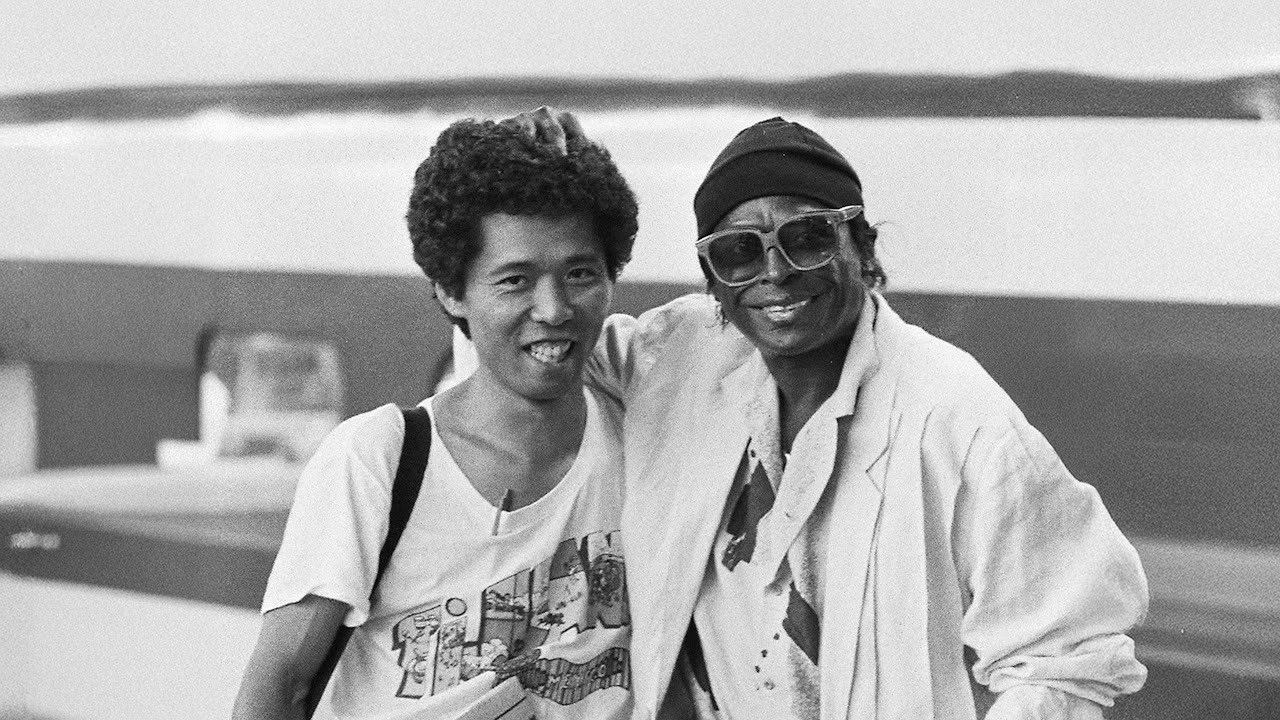
You’ve singlehandedly captured some of the most startlingly personal photos of Davis during the last decade or so of his life. Were there ever any moments when you felt like your relationship with him transcended the work and became something much deeper than just documenting his legend? What are some of your favorite shots of him both on and off stage? What do you hope future generations will gain from his iconic impact in both culture and music?
It would be my greatest fulfillment if, through the photographs I took of him, I could preserve for posterity not only the musical aspects—but also the intentions and sentiments he poured into his music—even if only to a small degree. Many people, myself included, have received a baton from him and his peers; through my photography, I wish to pass that baton on to the next generation.