The Lau Ro Interview
São Paulo-born, Brighton-based artist, multi-instrumentalist, and producerLau Ro first came onto the scene as a solo artist with their 2024 debut “Cabana”, and has since made a name for themselves in the weird and wild world of spiritual sound, tonal texture, and critical creativity. Following up with their highly anticipated sophomore release, “Lau”, the songwriter eagerly and without hesitation explores the dark density and oftentimes painful process of producing those poetic particles that make for a singular, brilliant body of work. “My entire world had been deconstructed and reinvented multiple times, often with tragic elements and many limitations outside of my control”, says Ro about his journey as an individual during these rather dark times we face, and while there seem to be more reasons to give up or give in, hope and optimism go a long way these days. Ro wrote and recorded an album this year; let this be a tonal testament that we all have a purpose and a pursuit worth embracing and achieving in this life.

Photo: Frances Joy Macgregor
Before settling in Brighton in East Sussex, England, you originally grew up in São Paulo, Brazil, correct? Tell me about your formative years and how this particular area would later influence your path as a musician and artist. I understand that the incredible sounds of the 1960s and 1970s fascinated you the most. There are huge atmospheric advantages to being exposed to such rich creative cultures, which Brazil obviously has in spades. Relocating to the North of Italy with your family, when did you realize that you ultimately wanted to pursue a creative career in songwriting and composing?
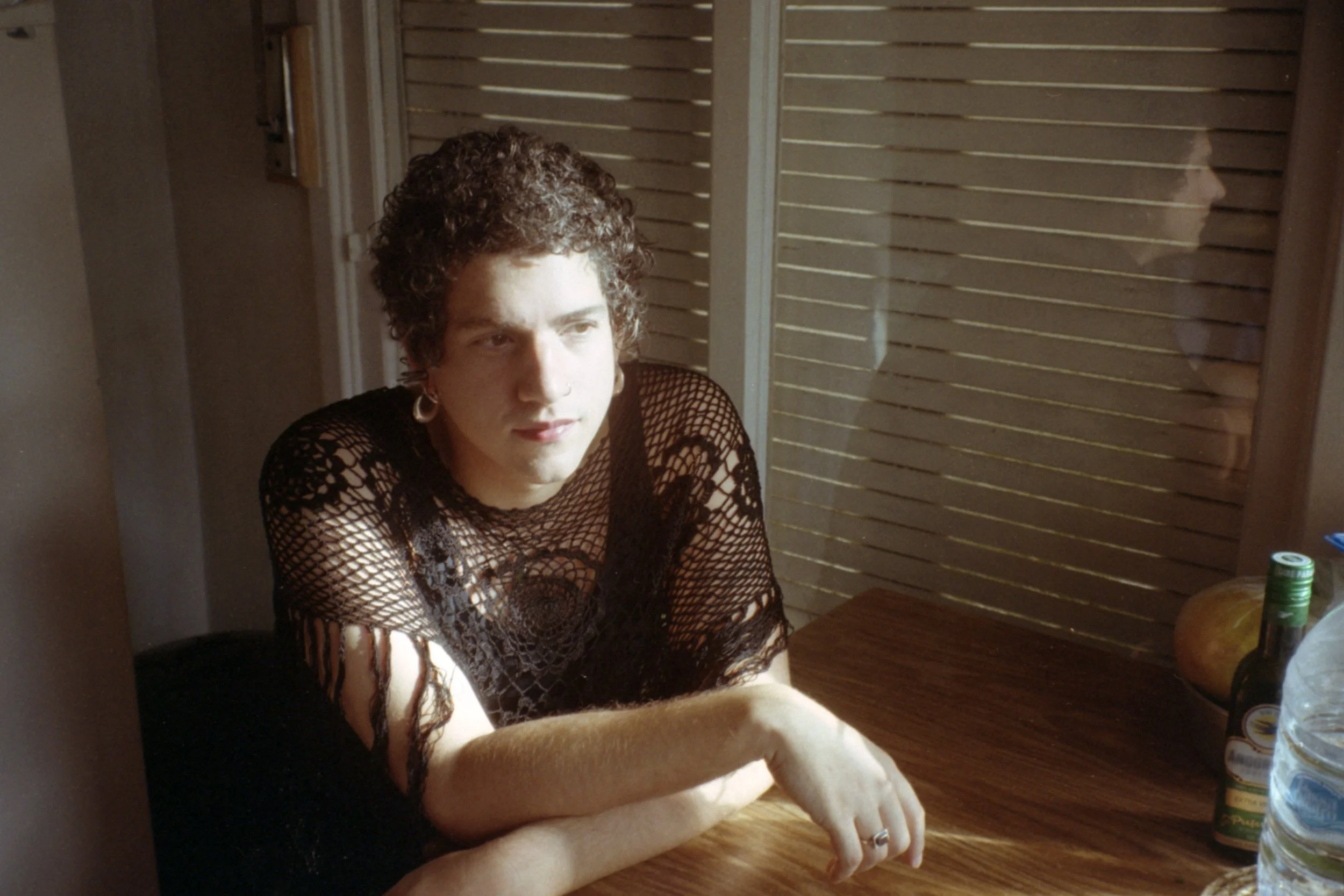
Photo: Frances Joy Macgregor
I was born in São Vicente, on the coast in the state of São Paulo. My family lived there for a few years and then moved to São Paulo city for the rest of my childhood. Cabana was written and recorded during a time when I was particularly immersed in processing the grief of leaving Brazil, and had just started spending time there again for the first time since we left. I became very familiar with the ‘saudade’ feeling over the years, which made Brazilian music all the more irresistible. When I first started learning to play the guitar as a tween in Italy, many of the first things I started learning were Bossa Nova tunes. One particular fascination that has stuck with me since those times is the sound of those first Os Mutantes albums. Being a musician was never a decision as such. As a kid, my obsession was more anime, manga, and RPG games. When I picked up a guitar, I just ended up playing it all the time, and it took over. At the same time, I had started recording stuff with Audacity on a Windows XP computer using a lav mic, which I became obsessed with when making things sound weird. Not much has changed in that respect; one of life’s greatest pleasures still is finding a new sound I haven’t heard before, or a new combination.
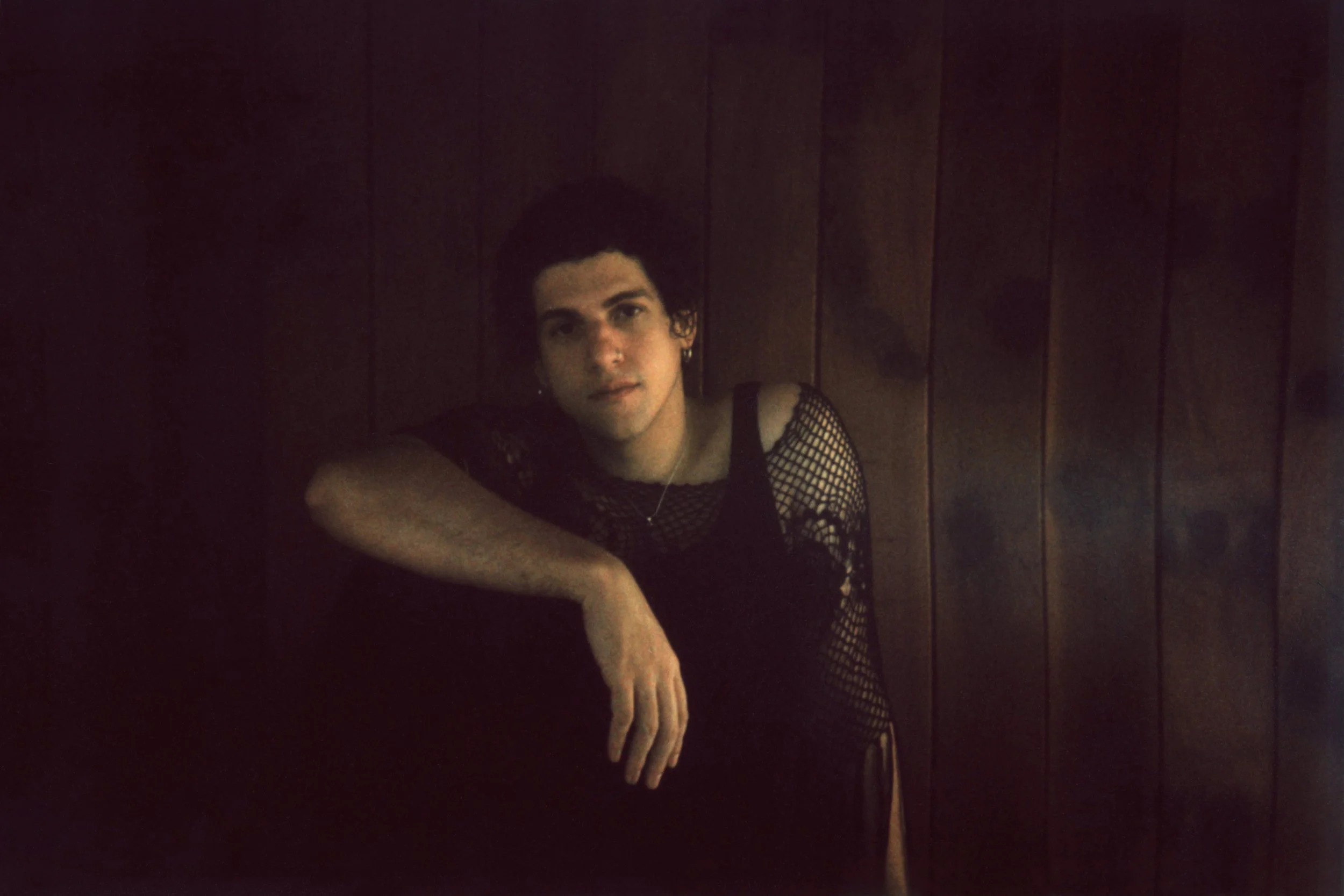
Before becoming a solo artist, you participated in the group Wax Machine, which released three well-received albums during a rather ridiculously disturbing time in the world regarding the pandemic. Before writing and recording your 2024 debut “Cabana”, tell me about your time in Wax Machine, and what you discovered not only about your abilities as an artist for the first time, but as a person in this chaotically confusing, yet beautiful world.

Photo: Frances Joy Macgregor
I first used the name Wax Machine for a couple of ‘DJ sets’ at events organized by the promotion company I was doing an internship for. I was 17 or maybe 18, going through a period of experimentation with psychedelics and making quite eclectic music with friends. At one point, there were something like 8 members in the band, and things became theatrical? Eventually, I realized I was hiding behind this constantly morphing circus thing because I was too scared to be perceived as vulnerable by strangers. Ever since then, I’ve been trying to strip away a lot of the protective layers to find out what’s underneath. As for the chaotic and unraveling world, I suppose it didn’t feel too dissimilar from my experience up until that point as an immigrant in an unstable family dynamic with financial struggles, etc. My entire world had been deconstructed and reinvented multiple times, often with tragic elements and many limitations outside of my control. I’ve been in the habit of making do with whatever’s around. Though now I’m 30 and I seem to have traded quite a lot of that flexibility and limitlessness for the precious resource that is patience.
Jumping ahead a bit to your most recent self-titled effort, which is set for release in late June on the wonderful New York-based label Mexican Summer. Tell me about this album, the overall process, and approach to bringing this harmoniously honest body of work to life. Compared to your previous record, what was most important for you to achieve both professionally and personally? You mentioned that, “Pain comes for everyone in some way or another, but you choose whether to let it harden you or allow it to soften you.” How much of the world’s issues has ultimately shaped this record compared to your own trials and tribulations, and how all this is melodically managed through the medium of music, if that makes sense? Is there anything else you would like to further share with the readers?
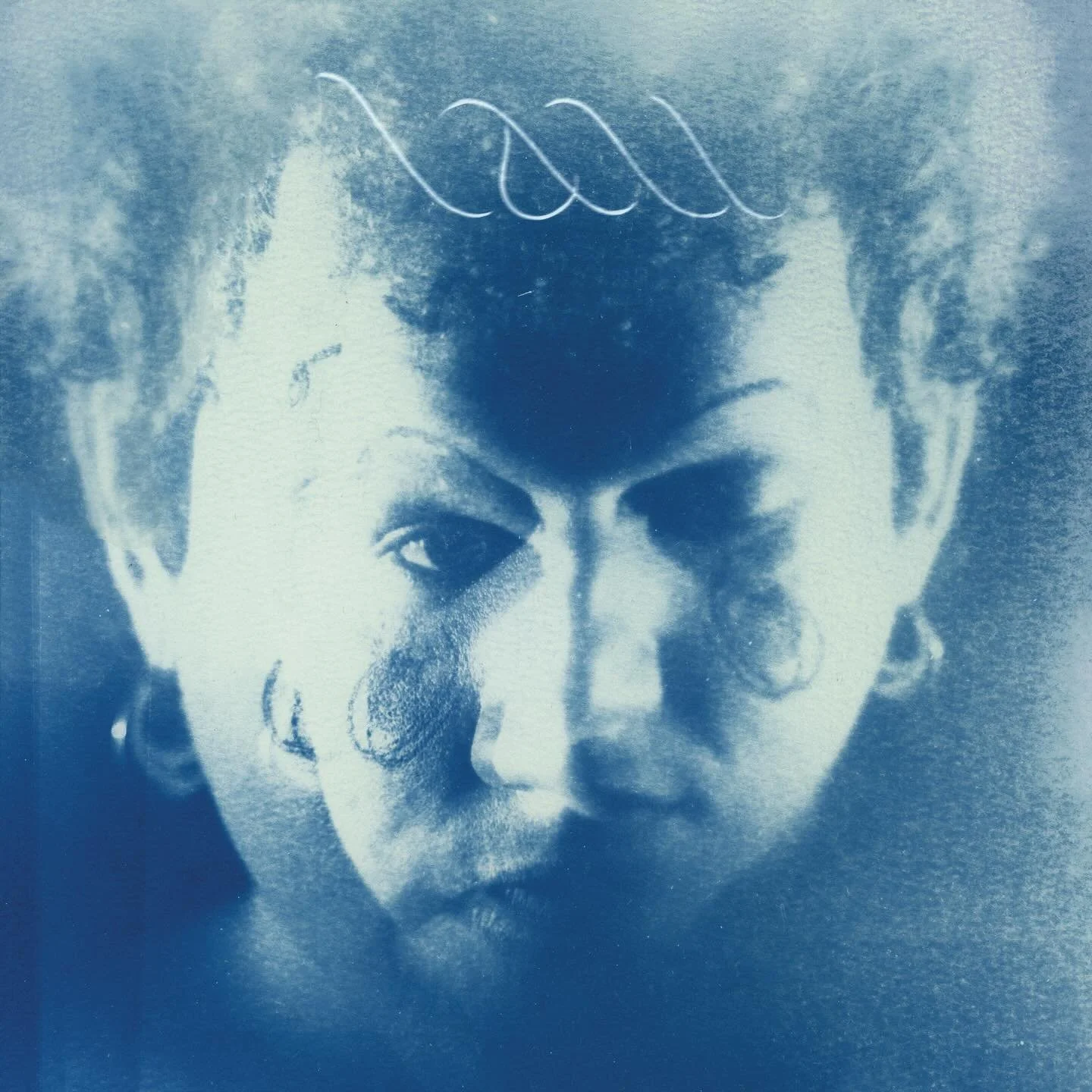
Photo: Frances Joy Macgregor
This was my first time approaching a record with the notion that I would allow it as much time as it wants, without pushing. Everything before that point was like catching a glimpse of a specific moment in time, whereas with this one, I was curious to see what would emerge if I allowed something to crystallize in its own time. This was partly due to health issues, which meant everything took longer, particularly when long-term chronic pain destroys any ounce of motivation. Yeah, I think it’s an interesting question. I suppose the difference between world issues vs individual struggles comes down to identification. Unsurprisingly, I really don’t feel great most of the time despite having spent much of these last few years in therapy. And it’s been dawning on me that maybe that’s actually just totally normal and a very natural response to existing through such an overwhelming time. I could go into capitalism, climate crisis, genocides, the insanity of geo-politics, etc., I think perhaps an interesting thing to look at is the phenomenon of avoidance underlying and perpetuating these issues across the board. Taken to the point where it becomes such a pervasive dissociative mechanism in how we function that we become strangers to ourselves and each other. What is it to be functional in systems that are already dysfunctional? What is it to be immune to the grief of the hundreds of thousands of avoidable deaths caused by these systems we take part in? And the countless more yet to come. There’s that saying, “In a mad world, only the mad are sane”… Now, why music? Honestly, I’m not sure. I asked myself the same question as I cried, thinking about the Palestine Action hunger strikers in prison late last year here in the UK. I wish I could end this on a hopeful note, but I’m not sure there’s any rational way to arrive there, so I guess that’s where the music comes in?