The Barry Louis Polisar Interview
Born in Brooklyn, New York, Barry Louis Polisar is an author, singer-songwriter, poet, and storyteller for children and young adults whose music has been featured in dozens of commercials and the 2007 indie masterpiece Juno. Since his 1975 debut, “I Eat Kids”, Polisar has gone on to release several other works that have solidified him in the creative concrete of his cultural contemporaries and poetic peers like Shel Silverstein and Ella Jenkins, to name a few. Polisar continues to shine a lovable light with his soft sounds and wondrous words during these dark times in our world, something we need now more than ever.
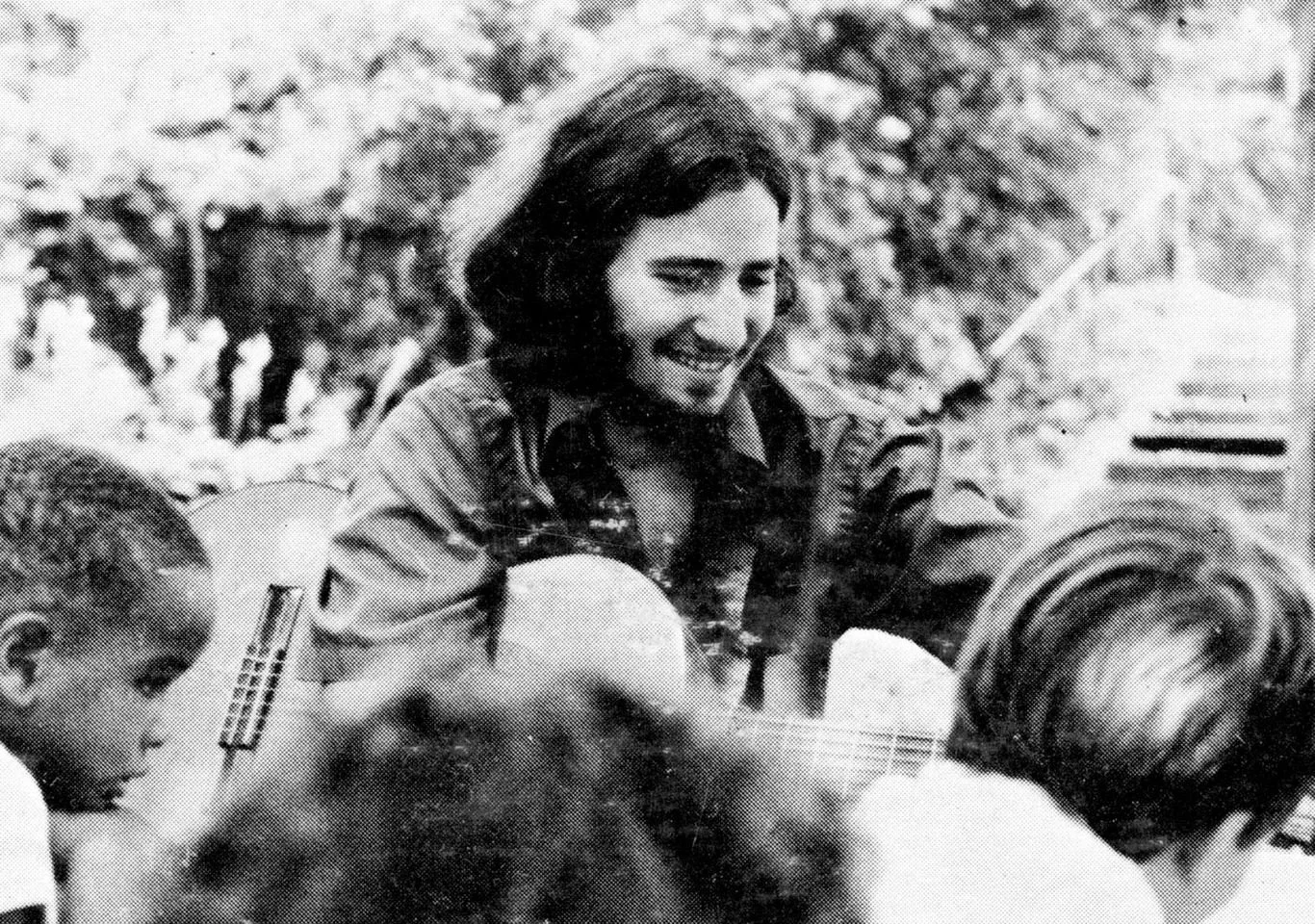
Photo: John Senko
Take us all the way back to the very beginning, when did you first start playing the guitar and writing songs? Who, or what, particularly influenced, as well as interested you during your more formative years, and when did you realize that that was the path you ultimately wanted to take?
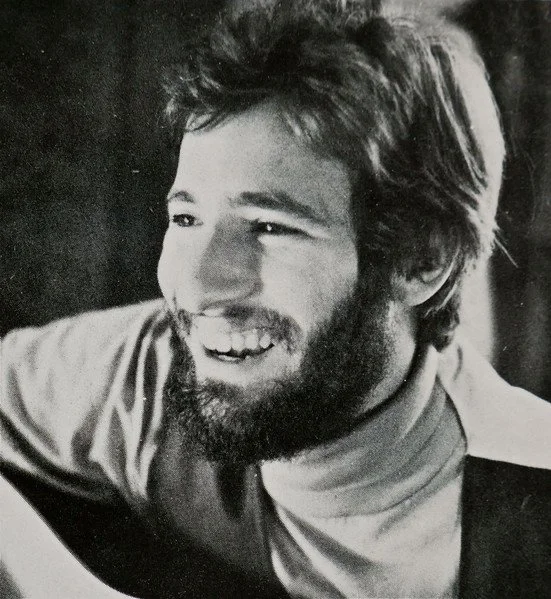
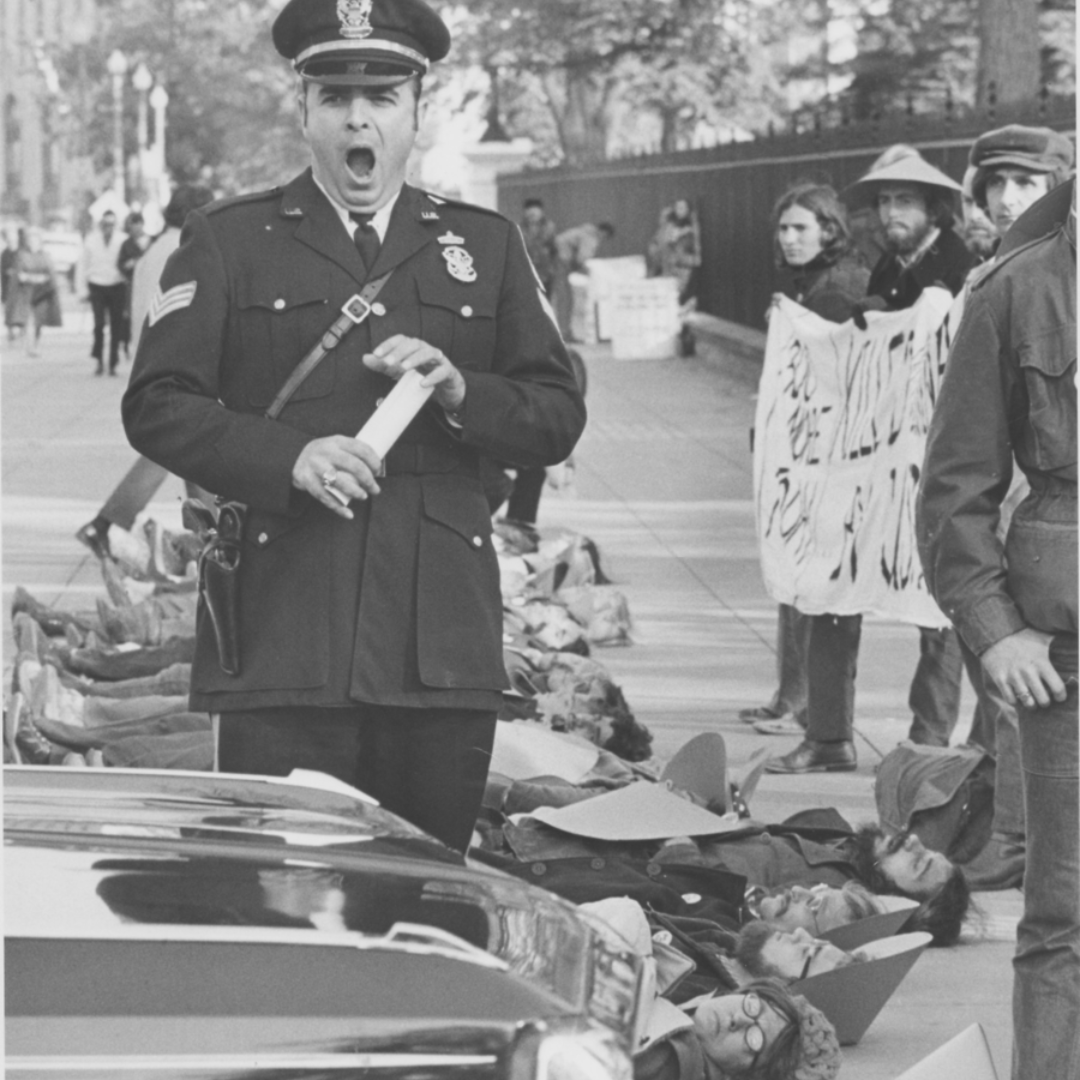
I was drawn to the guitar even as a kid. Some of the earliest records I had were by Johnny Cash’s “Ring of Fire,” and “The Sons of Katie Elder”, Odetta’s “Gallows Tree”, and the Australian singer Rolf Harris. Another favorite was Roger Miller, and though I only had one album of each of these artists, I’d play them often and could sing every song on those records. There was a guitar in our house—a cheap knock-off that was missing strings and badly out of tune. I’d pick it up and pretend to play, but I didn’t know how. It probably influences the way I play now. When I got older, I was drawn to the music of the late sixties: Led Zeppelin, Jimi Hendrix, Jefferson Airplane, Cream, and a hundred other bands, but I never had any interest in emulating any of them. I was really drawn to the singer-songwriters. Tom Paxton, Phil Ochs, Mark Spoelstra, Leonard Cohen, and Bob Dylan were the first wave I fell in love with, and then came the next generation: Loudon Wainwright III, Townes Van Zandt, John Prine, Kris Kristofferson, and others. What they all had in common was wonderful lyrics that were both funny and poignant. Again, I was just a listener then—but a passionate one who could quote every line of Phil Ochs’ “Draft Dodger Rag” or almost any song lyric by Tom Paxton. This was all in the early seventies when I was still in high school. Then, after I finished school in 1972, I was invited to go on a trip with a friend of mine and her family. Her folks had rented a cabin on top of Mt. Lemon outside Tucson, Arizona. Every night, her two older brothers would sit around the fire, bring out their guitars, and play. I’d been around people who would sing and play music before, but what made this experience unique was that they played many of my favorite songs by Dylan, Prine, Kristofferson, and Townes. I came back from that trip, and in December 1972, I bought an inexpensive nylon string guitar and adopted myself into their family back home.
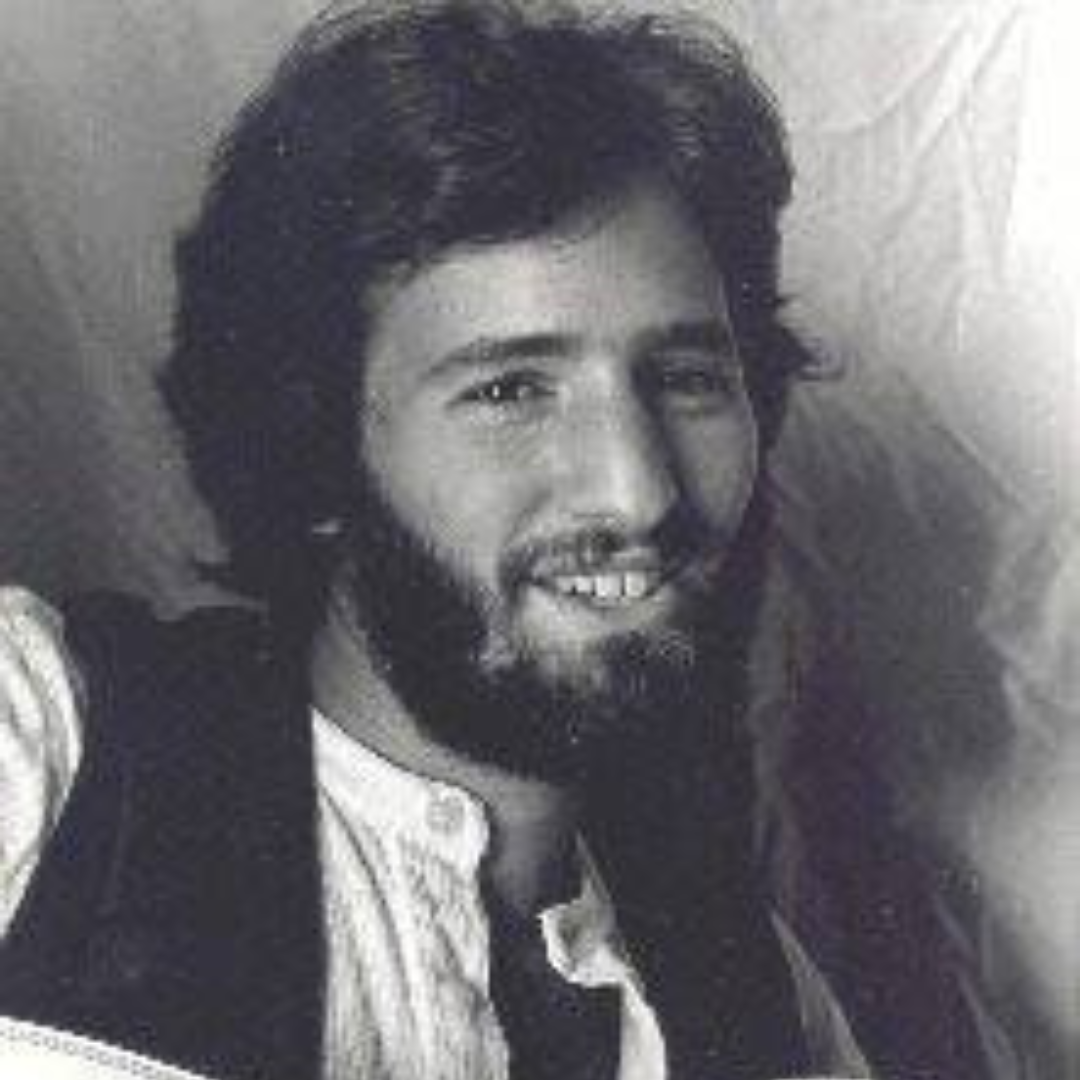
I’d walk down to their house every afternoon with my guitar and sing and play music with them, staying through for dinner, and then playing some more until it was time for me to go back home. Once I began playing guitar, I began writing my own songs. When I think about those early songs now, I can discern which were influenced by John Prine and which were influenced by Loudon Wainwright III, or any of my other favorite songwriters. It wasn’t until I began writing for kids that my own voice took over and my songs were more distinctive—and more my own. I was in college when a student teacher saw me on campus with my guitar. We struck up a conversation, and she asked me if I’d be willing to come to her school and perform an assembly program for 400 kids. I said, “No.” I had never done anything like that before—I had never performed in public before, but she talked me into visiting her school, and it was at that very first school concert in March of 1975 when I overheard a teacher yelling at her kids. I wrote down everything she said, and that night I turned it into a song called“I’ve Got a Teacher, She’s So Mean.”Word got around that I had written a song about a mean teacher. The big surprise was when teachers would call me up and ask if I could come to their school and sing the song! And that’s how my performing career began. I was still in college then. In fact, I put myself through college playing concerts and shows in the schools, but never really thought of it as a career. Every time I did a show, teachers or parents would ask where I learned the songs. When I told them I had written them, they asked if I had an album. I heard that often enough and decided to take the money I had earned singing in the parks one summer and record my first album: “I Eat Kids and Other Songs for Rebellious Children.” The recording was bare bones, just me and my guitar (mostly played out of tune), and each song was recorded in one take. I joked that I only used three chords on the whole album because I only knew four chords, and I didn’t want to show off. The little girl on the cover of that album is now a musician and was one of the artists who covered my songs on Aaron Cohen’s Tribute album called “We’re Not Kidding!
With trailblazers such as the late great Ella Jenkins, Shel Silverstein, and Cathy and Marcy, to name a few, coming onto the scene well over half a century ago with their ability to project poetic protest, spiritual songwriting, and prolific peace during a time of great dysfunction, and cultural chaos through the calmness of children’s music, how did this impact you both personally as well as professionally?
I didn’t know Ella Jenkins’ work when I began writing songs. I knew Shel Silverstein’s early folk albums, before he began writing his breakout poetry books for kids. As a matter of fact, his book “Where the Sidewalk Ends” came out right around the time I released my first album, so there must have been something in the air that allowed slightly irreverent and funny music and books for kids to flourish. There wasn’t really a children’s music movement when I released my first few albums. Ella had been recording and performing songs for toddlers and young children, but she wasn’t a household name. Folksingers like Pete Seeger, Oscar Brand, and Burl Ives each had a children’s album, but they were mostly singing traditional folk songs. No one was writing for the older age group that my songs appealed to, and in those early years, I was pretty much alone recording and performing for elementary-aged kids. A few years after I began putting out albums, artists like Raffi and Sharon, Lois, and Bram in Canada appeared on the scene and began releasing music for children. But even those artists began as folk artists who moved into writing for kids. My early albums were not very polished, and the songs were edgy, unlike the songs written and recorded by other kids’ artists. In fact, many of those artists recorded versions of my songs, but cut the funniest lyrics, thinking they might be too provocative. Of course, many children and parents preferred the edgier sound of my songs to the sweeter sound of other recordings marketed for children.
“Once I began playing guitar, I began writing my own songs. When I think about those early songs now, I can discern which were influenced by John Prine and which were influenced by Loudon Wainwright III, or any of my other favorite songwriters. It wasn’t until I began writing for kids that my own voice took over and my songs were more distinctive—and more my own.”
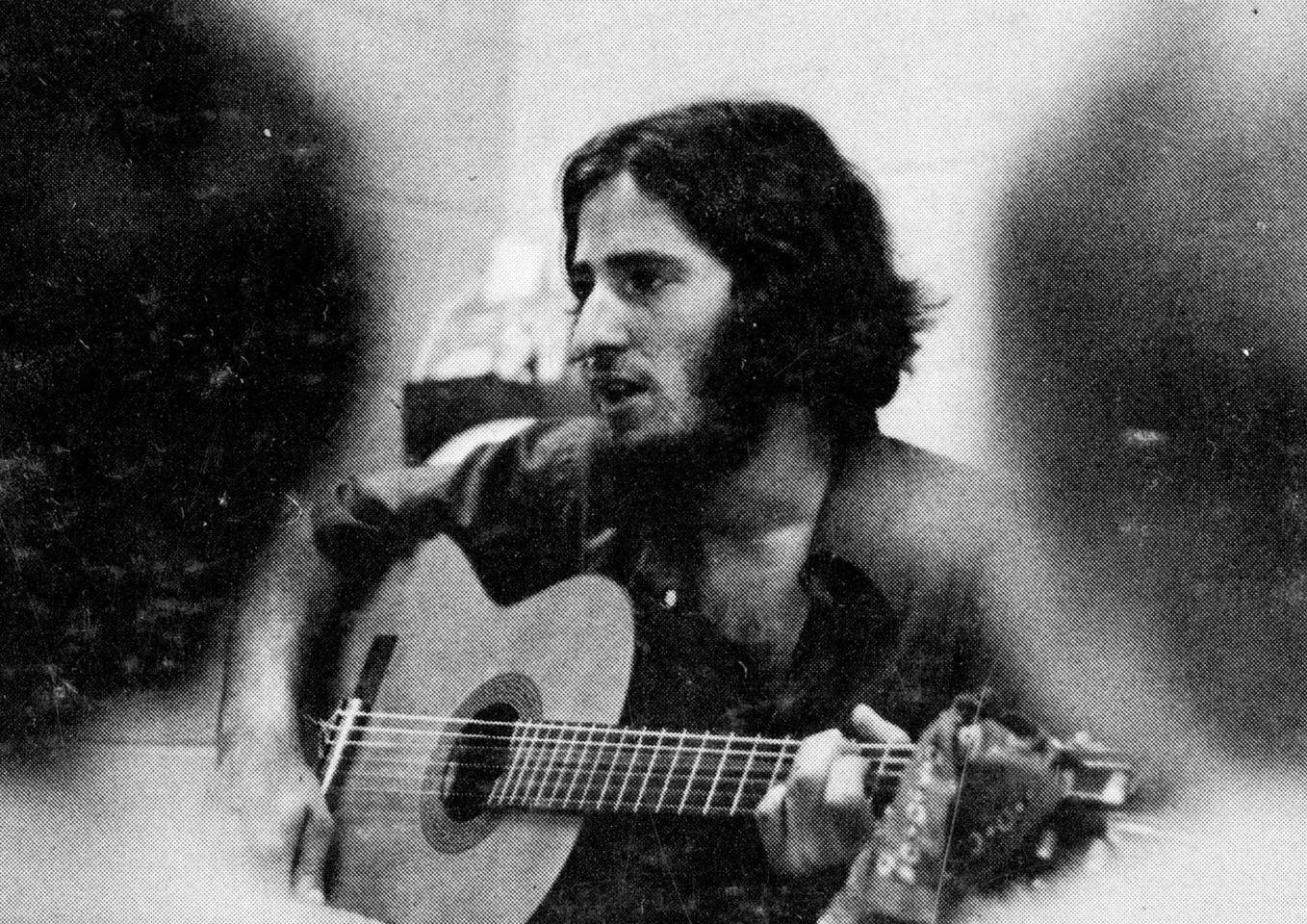
Photo: John Senko
While balancing the parameters of psychedelia with the revolutionary rock of Bob Dylan and Neil Young, what are your thoughts on your genre as a children’s songwriter coexisting alongside some of your generation’s giants, and their specific influence on culture and society as a whole? Eventually releasing a prolific, polite, and harmoniously hilarious body of work on your own imprint, Rainbow Morning Music Alternatives, that featured such titles as “My Brother Thinks He’s A Banana”, and your 1975 debut “I Eat Kids”. Tell me a little about these releases and some of your fondest memories of those early days.
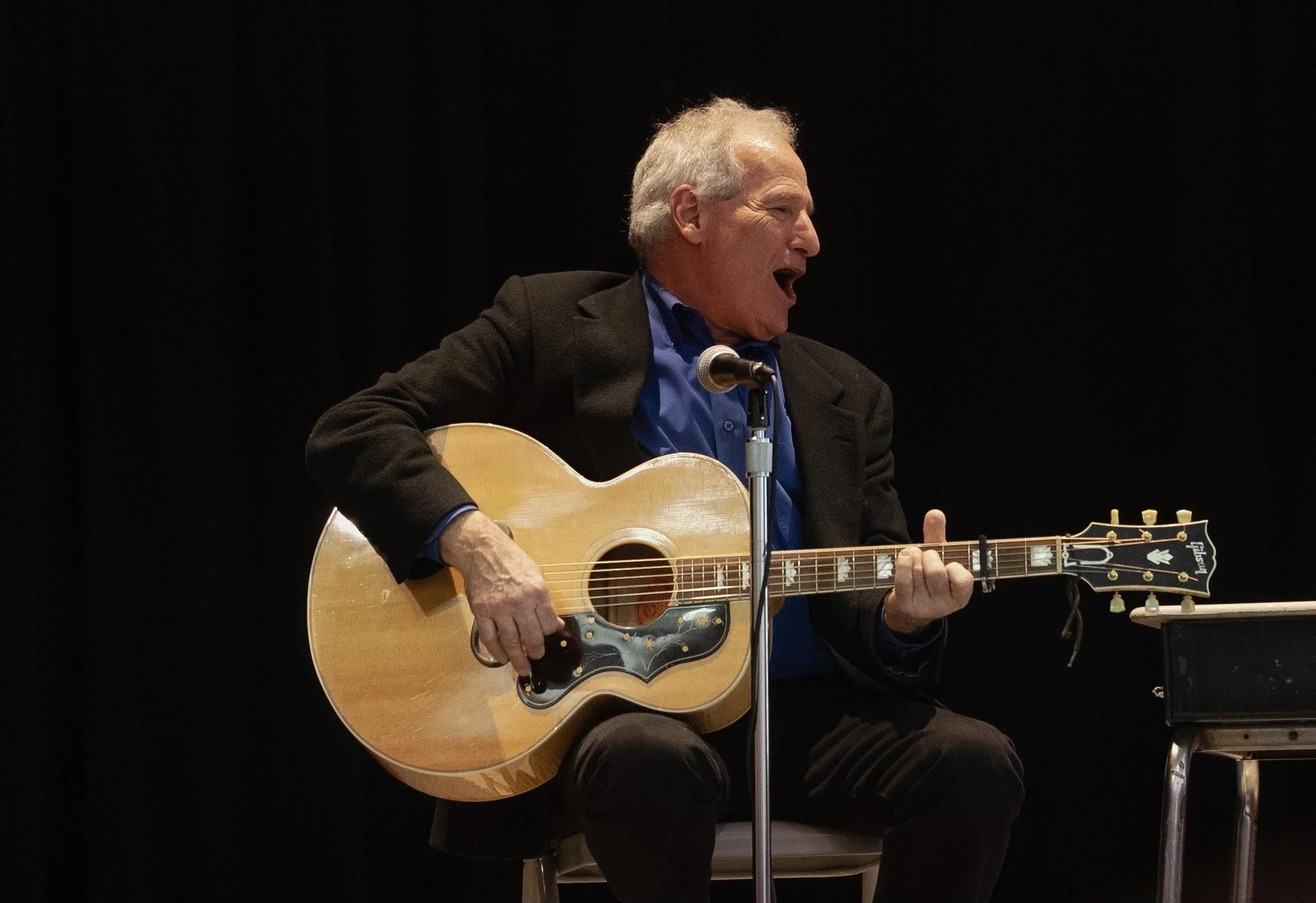
Photo: Maryland State Arts Council 2025
I never wrote songs to be preachy or didactic or to teach children what to think or to spell everything out for them. I didn’t want to be another adult singing down to kids. I wanted to communicate things through humor and irony, and I wanted my songs to do something more fundamental. Humor can be very subversive. I think by my 4th or 5th album, I realized this could be my life’s work. In the beginning, I was having fun writing, recording, and singing my songs in schools, library concerts, and art centers. I remember trying to get car insurance during that time, and when the insurance agent asked me what I did for a living, I answered that I was a songwriter and gave concerts for kids. He said, “No, I mean, what do you really do to make a living?” I never felt like a struggling artist because I wasn’t trying to be a star. I’d get an idea for a song, write it, try it out in my school concerts, and then I’d record it. Of course, the biggest roadblock I had was adults who felt my work was subversive and would give kids bad ideas. Thankfully, most grown-ups got it. The irony was that I was making a living singing in schools and libraries while satirizing teachers, parents, and children.
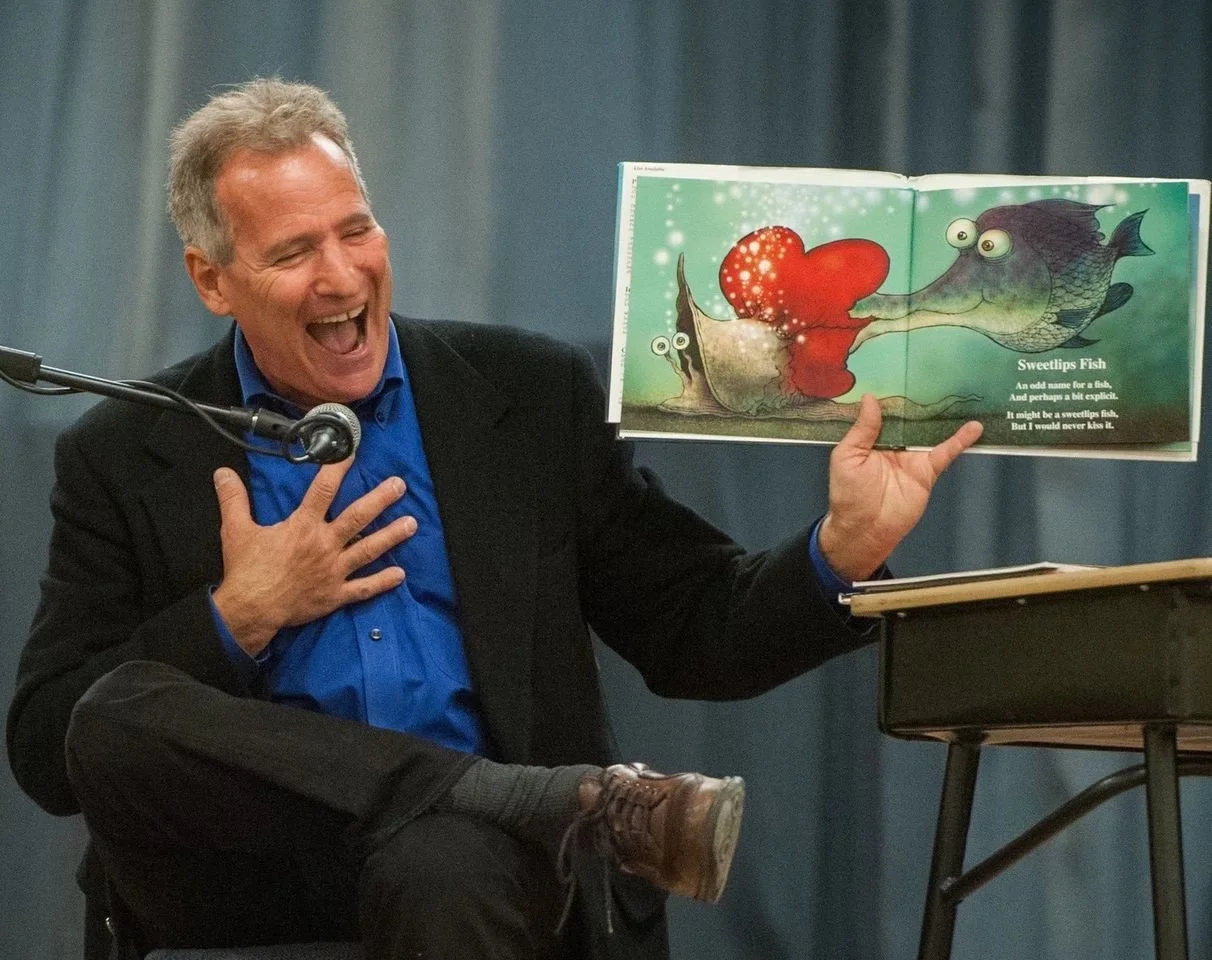
I’m curious, while creating some of these culturally cherished albums that so many children and parents around the world have held high as lyrical lessons in the comfort of their homes, what have they learned most about themselves, your craft, people, the world, and all its ebbs and flows? Is there anything else you would like to further share with the readers?
It is a satisfying feeling to see a second and third generation of families sharing my albums and songs—and now my books—with their own kids. I never chose this career to make money. I was always more interested in getting the songs and stories I had written out into the world, and thirty-two albums and books later, it is still that. Because of the influences and the times I grew up in, I never looked at my music and career in economic terms. I’ve been able to make a living doing what I love. But money has never been a motivator for me in anything. In the old days, folks would tell me they’d check out my albums from the library and record them for their kids and all their friends. I know many artists wouldn’t like hearing things like that, but I loved that people were doing this; people were sharing and spreading my music in ways I never could. I never recorded anything for a major label and always found a way to share my unconventional songs in unconventional ways. Even now, when you can finally download and play my songs from every streaming service and find my books on Amazon, or at least have a bookstore order them, I still make every book, album, and song available digitally on my website for free. For me, it’s always been about getting my work out there in the world, and I feel very fortunate that people have read my books and heard my songs all over the world.