The Kiwi Jr Interview
Canadian-based indie jammers Kiwi Jr have been at it since the release of their debut album “Football Money” back in 2019. While scratching the surface of some of their favorite areas in underground sound, the band has eagerly established themselves as a universally creative unit committed to the lo-fi language of rudimentary indie rock. With a new record set for release on August 14th on acclaimed Olympia-based label K Records, the band hasn’t given in to the past or its political perimeters that have, without a doubt, slowed the sonic system down as their epic expedition continues to move forward in the most angelic way possible.
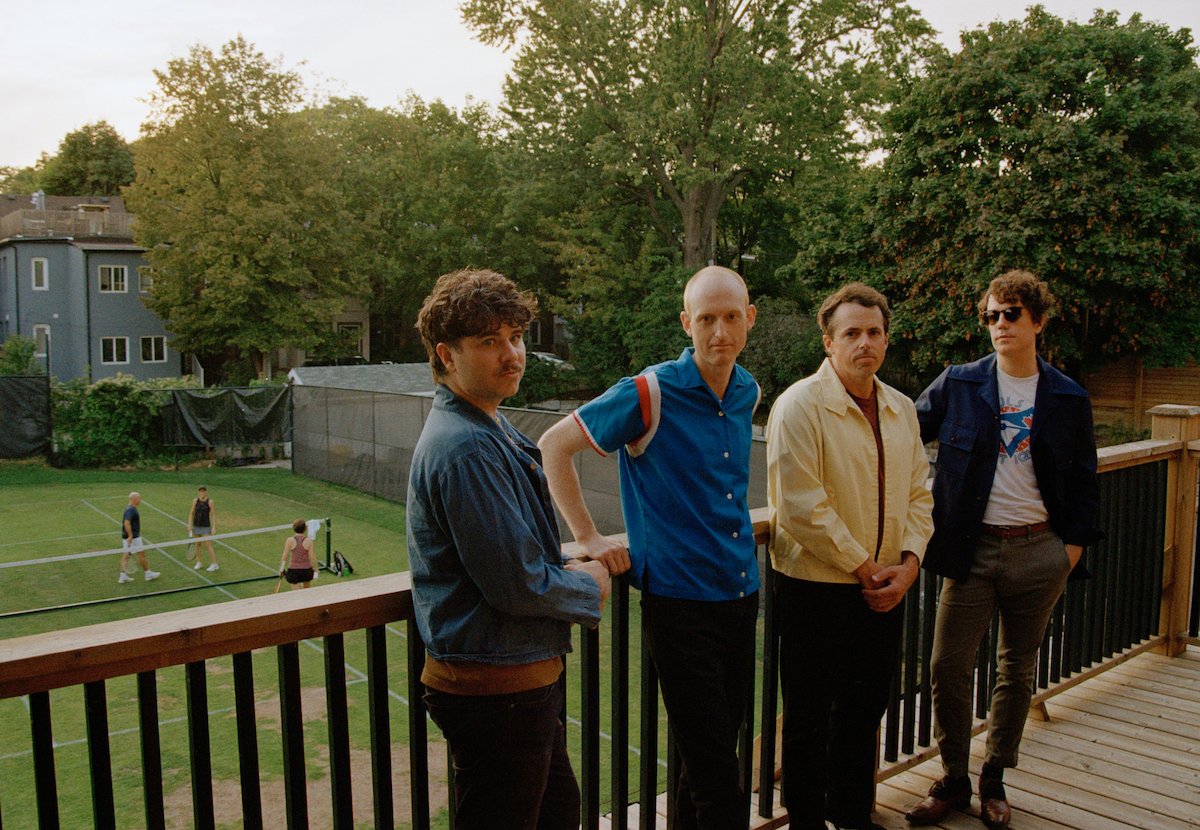
Photo: Colin Medley
Are you originally from Toronto? What was the overall experience like finding community among your peers and local contemporaries? Canada as a whole needs no introduction for its iconic intimacy in music, art, comedy, film, etc. When did you realize music was the path you wanted to pursue, and was this fascination always there? Having participated in groups like Boxer The Horse, The Danks, and Alvvays, which features members who would eventually join Kiwi Jr, tell me about the origins of the band and how you initially met your bandmates almost a decade ago. I imagine with the release of the band’s 4th studio album “Blowin’ Up,” there's been a decent amount of reflection on the group since its origins.
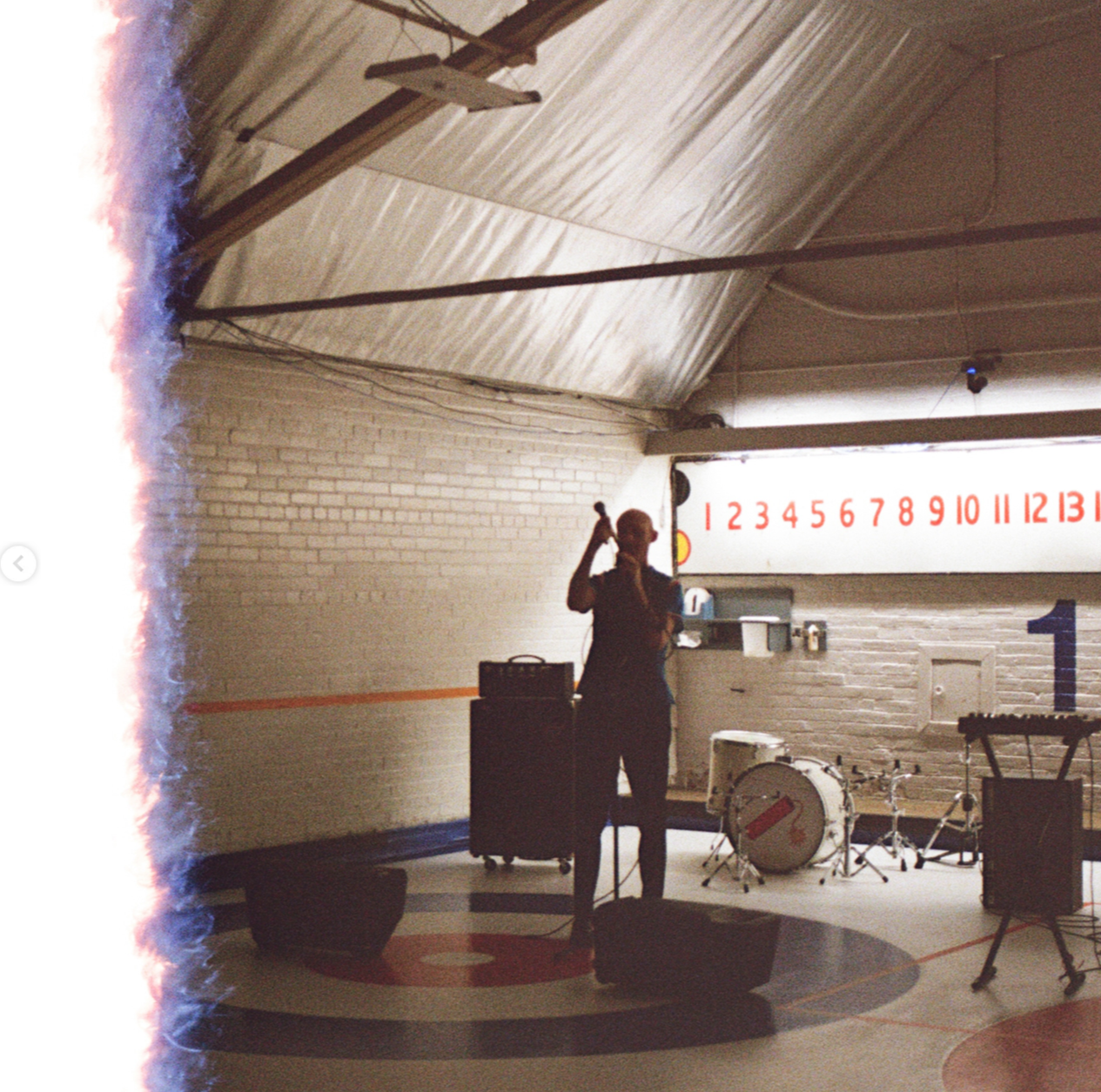
Photo: Jolie m-a
Didn’t grow up anywhere near Toronto, actually. The whole band is from Prince Edward Island, which is the smallest province in Canada. Sort of our version of Rhode Island, I guess, but with 1/20th of its population. It’s more or less a rural place with smallish towns. But there was a period in my teens that was pretty rich musically, and so many rock bands were starting up around the same time. We (the members of Kiwi Jr) were all in different bands in PEI. That’s how we know each other from playing in separate Libertines-influenced bands from 2005-2010. And every scene has its elders who show the young people the cool stuff. I had a guy burn me a CD that had the Vaselines EPs on it. Things like that. That’s how you get into the cool stuff when you’re in a small town. My girlfriend Kerri plays in Alvvays and Brohan used to live in their basement, so when they were on tour, Brohan and I would jam using their drums and PA. Of course Brian was in that band for a while too. That’s pretty much the origins of the band — us using Alvvays’ basement while they were on tour until we got noise complaints. Really early on, the goal was to be a quiet and twee band. Very K influenced. Velvet Underground self-titled LP, that sort of thing. We were so burnt out on being in noisy rock bands that we wanted to do something different. Once Mike joined the band and brought a bass guitar into things, it got louder, and everyone turned up. And then Brian brought a 2nd guitar into the mix, and suddenly we’re busting out our old overdrive pedals again. The heart wants what it wants.
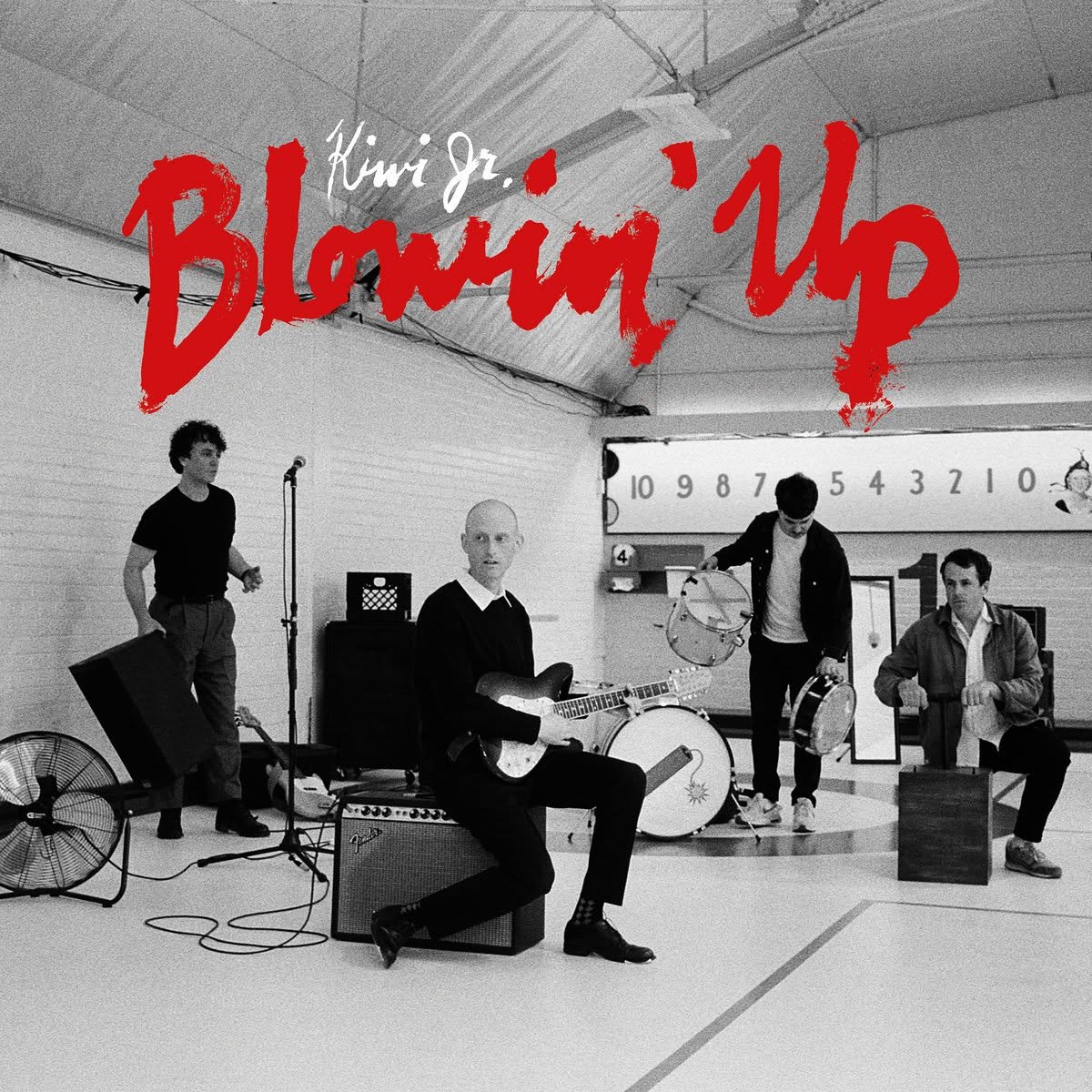
Photo: Laura-Lynn Petrick
Before we dive into the album, what are you most proud of when thinking back on the band’s early days, and how do you feel about previous works like “Football Money”, “Cooler Returns”, and “Chopper” with each new year, and as we step forward in the project? I was delighted to hear you guys worked with legendary Silver Jews producer Nicolas Vernhes on this new record. What was the overall process and approach of working on this album in Detroit, MI, Graham Walsh?
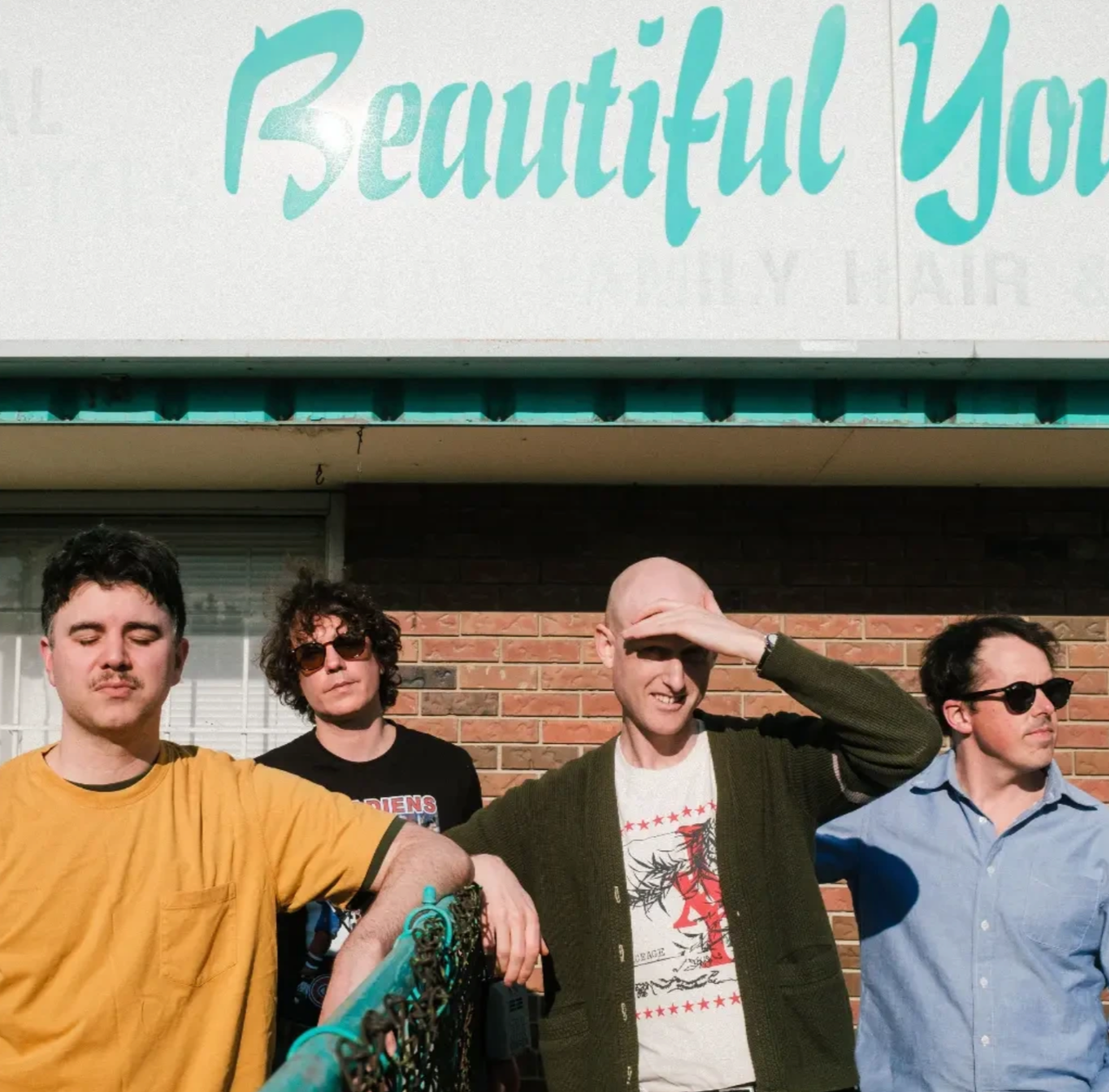
Photo: Sebastian Buzzalino
I’m a huge Silver Jews fan, and somehow, during the entire mixing process, I didn’t ask Nic about recording “American Water”! I suppose I could text him now and ask for any stories, but I think the moment has passed. Mixing our album remotely while he was in California and we were in Toronto was tricky at times. I became focused on getting things done; I guess I got distracted. But that’s one of the reasons we hired him for this album: he did “American Water”. Of course there are a bunch of other albums, particularly the Deerhunter records. We recorded the album in Detroit because we were shown this really cool studio called High Bias. We knew we were going to work with Graham again, because he recorded “Cooler Returns” and had mixed "Football Money.” Graham had worked there with his band Holy Fuck, and I think he also recorded some stuff for METZ there. He talked us into it; he knew we would like it, and we really did. We rented a really big creaky Victorian house not far from the studio for a couple weeks and just went there to sleep. We worked from like 10 am until 1 am every day. We recorded the album live off the floor and then did minimal overdubbing. All the vocals, some guitar stuff, and keyboard flourishes. We were aware going into the process of making this album that we wanted to try to capture a live feel and not get carried away with the possibilities of working in Pro Tools. We wanted to make sure that when you hear the album, you can close your eyes and imagine where the instruments are in a room. A lot of modern records sound collage-like to me because there are too many tracks; it’s all piled on top of each other. We didn’t go as far as working analogue as we did with “Football Money,” which creates its own hurdles, but we made an effort not to stare into Pro Tools for hours on end.
I understand the band brought in Protomartyr’s Greg Ahee, Joe Casey, and longtime friend and creative colleague Kerri MacLellen. This particular detail significantly pushes some of the material to a different level; would you agree? What was most important for the band to achieve and express with this material, and what were you most eager to explore?
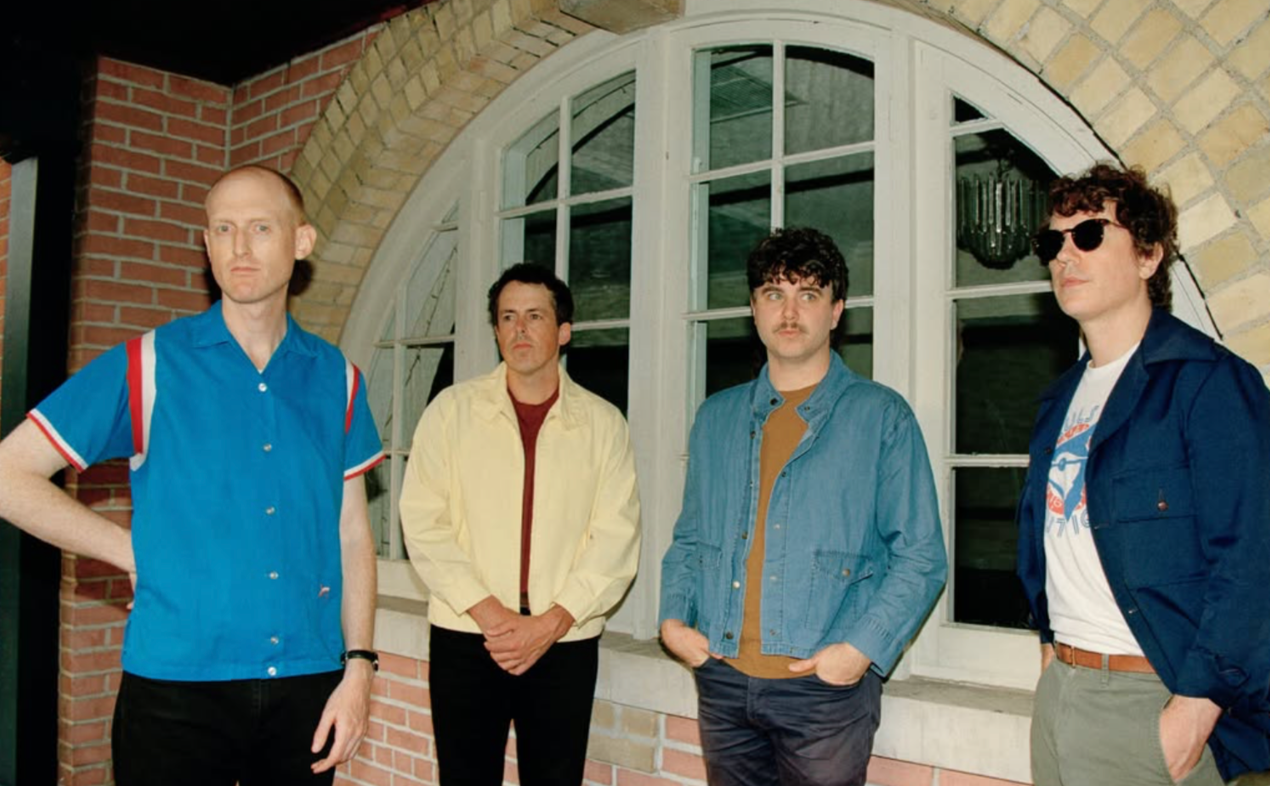
Photo: Colin Medley
It’s fun to get your friends involved, and we were lucky that everybody agreed to it this time. Protomartyr are just good guys who are awesome at what they do. They’re on the last song, “Landscape with Limousine”. We showed them what we had, and then they brought their own sound to it; it totally levelled up the song. Kerri and I have been together for almost 15 years. She’s on “Football Money” too. I don’t think she tracked anything on “Cooler Returns” or “Chopper,” but she makes a lot of contributions in other ways, and she usually hears the songs before anybody else. On this record, she tracked some organ in our apartment during the mixing process. I was excited to have Margaux from En Attendant Ana sing on the song “World Like Polly”. I’m a fan of her band, and having a European on our album brings us a different kind of credibility, I think — International Kiwi. Our friend Fred Thomas helped with the album too and plays keyboards on it. He hung out in the studio for a few days and helped me with the lyrics for “Pure Michigan.” He also introduced us to K Records. Fred’s an important part of this album. With this record we wanted to open things up with our sound and song structures, to see where the material takes us. Our gut instinct is to apply distortion to everything and EQ out high frequencies to try and make the album sound like the first Strokes albums. That’s just the world we’ve come from: post-Strokes indie rock with three-minute songs and verse-chorus-verse, etc. There’s definitely still some of that on the album. But other things wouldn’t have survived on other Kiwi Jr albums, such as the time-signature changes in “Hard Drive Ontario” and the half-time choruses of “Blowin’ Up.” Things like that would have been weeded out in the interest of keeping things simple and hooky back then.
“I had a guy burn me a CD that had the Vaselines EPs on it. Things like that. That’s how you get into the cool stuff when you’re in a small town.”
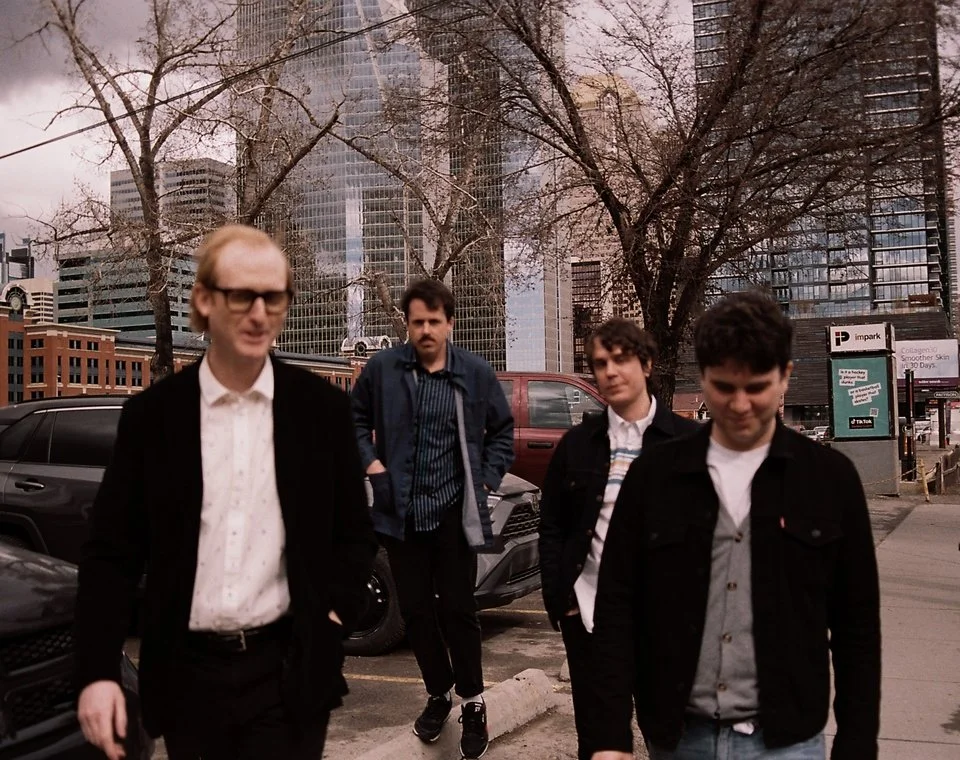
Photo: Ben Rayner
I imagine Motor City had a particular influence on the music’s atmosphere. I’m curious to know some of the backstory to tracks like “New Jade Rabbit”, “Painting After Painting", and one of the album’s singles, “Photos Of The Reenactment”. Coming out on the legendary K Records on August 14th, what are you most excited and hopeful that listeners, both new and old, will get from the music? Is there anything else you would like to further share with the readers?
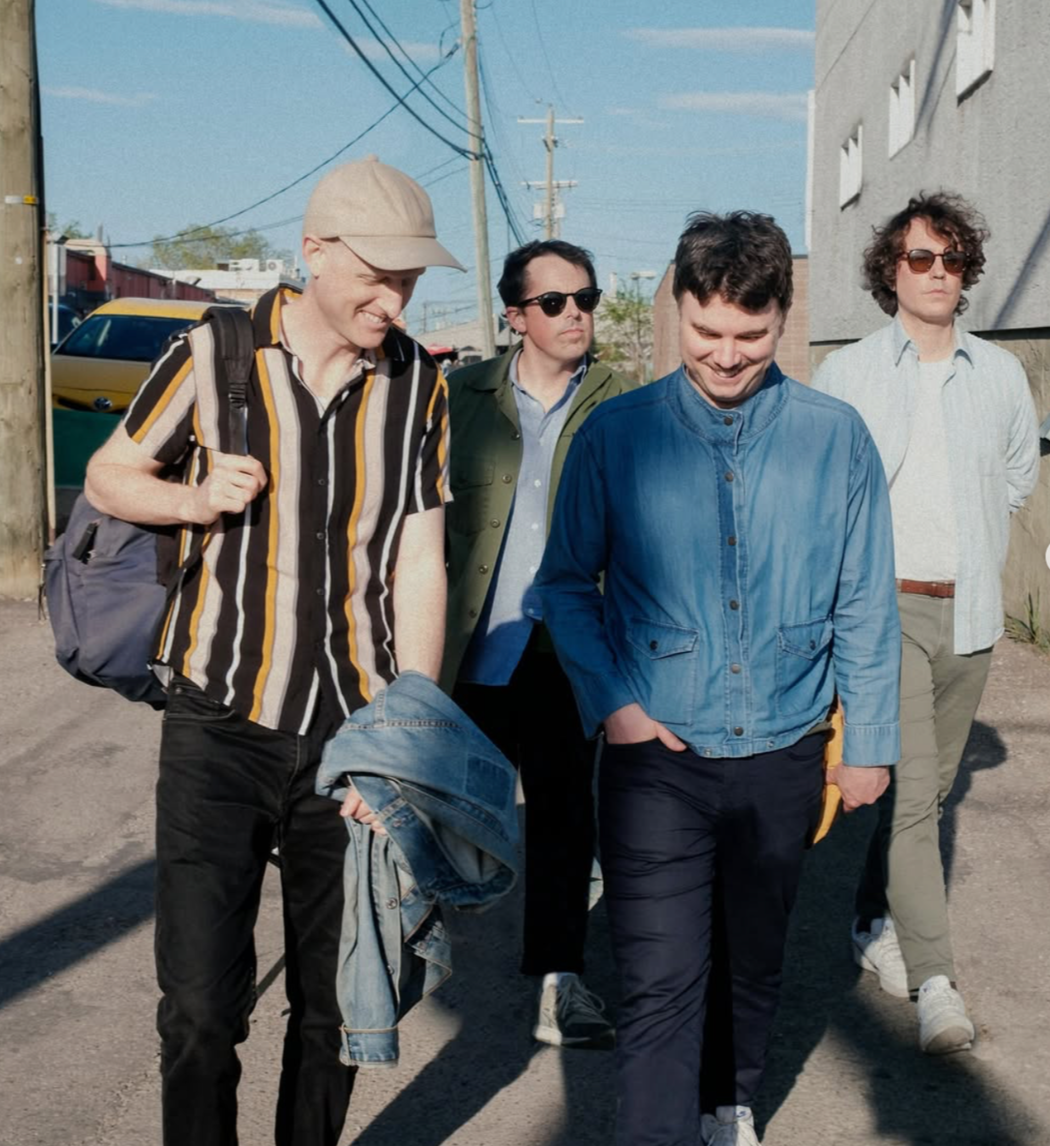
Photo: Sebastian Buzzalino
We hoped that recording in Detroit and getting some Detroit musicians would rub off on us as much as possible. Whether it did or not, I don’t know, but I do know that the record would have turned out differently had we recorded it in Toronto. There were moments during the recording when I’d think to myself, "Is this guitar amp too noisy?” And then I’d remember that we’re in Detroit and the Stooges wouldn’t have asked a stupid question like that. “New Jade Rabbit” is the story of the lunar rover that China sent to the moon, called Yutu. It went to the moon to take pictures, measurements, and things like that, but it tripped over some moon rocks or something and fell over and couldn't get back up. So it was dying on the moon but still transmitting data back to Earth. They sent a second rover up to continue Jade Rabbit’s mission, and the song is about learning to forgive and move past your own failure by keeping your eye on the mission for the greater good, that sort of thing. Don’t be mad at the rover that comes to replace you. Ain’t his fault. The song is also about getting kicked out of a rock band and learning not to be mad at the new guy who replaces you. It’s actually a similar vibe to our song “Painting After Painting,” which I think is the most positive Kiwi Jr song. That one’s mainly about celebrating other people’s successes and learning to be happy for others when you might not be part of their life anymore. Instead of being down about being left behind, look back and give someone their flowers. Ex-girlfriends, friends you don’t see anymore, people like that. Remind yourself that you’re on their side. I don’t really like to write full fiction narratives in songs. You can get carried away, and that’s how you end up writing something like Rocky Raccoon. “Photos of the Reenactment” is as close as I get. I listen to a lot of True Crime podcasts, and I’ve often wondered what the hosts of these investigative shows are like in real life. Like what’s hanging out with the guys from Dateline like when they’re not on the show? Anyway, this song is about a woman who goes to a small town to investigate an unsolved murder there. A cold case. She brings her teenage daughter too, and the daughter is not happy being in this boring small town. Digging through other people’s lives and going through the past gets prickly, so along the way, this person starts to question what effect this thing is having on their own life and their kid’s life. Being from a small town, I remember feeling far removed from what I thought was the “real world” — which is dumb teenage stuff, but it feels real at the time. Like, your small-town life is a TV channel that nobody watches, or like an imitation of real life. A copy of a copy of a copy, etc. That’s where “Photos of the Reenactment” comes from. We encourage anyone to see us on tour; we’re good live. Maybe even buy a T-shirt.