The Alex Izenberg Interview
Over the last decade, LA-based singer-songwriter and multi-instrumentalist Alex Izenberg has been carefully constructing a vividly vintage body of work since the release of his 2016 solo debut “Harlequin”. Having been influenced by the likes of Pink Floyd, King Crimson, and the Beatles, Izenberg’s sound seeks a spiritual serenity that captures the critical culture of romanticism, while balancing the poetic past with the fever of the future. With titles like “Disraeli Woman”, “Caravan Château”, “I'm Not Here”, and 2024’s full band debut “Alex Izenberg & The Exiles”, the musician returns to the soft surface with a brand new single, “Old Gold”, while new material for his next album lies dormant beneath the cosmic crust.
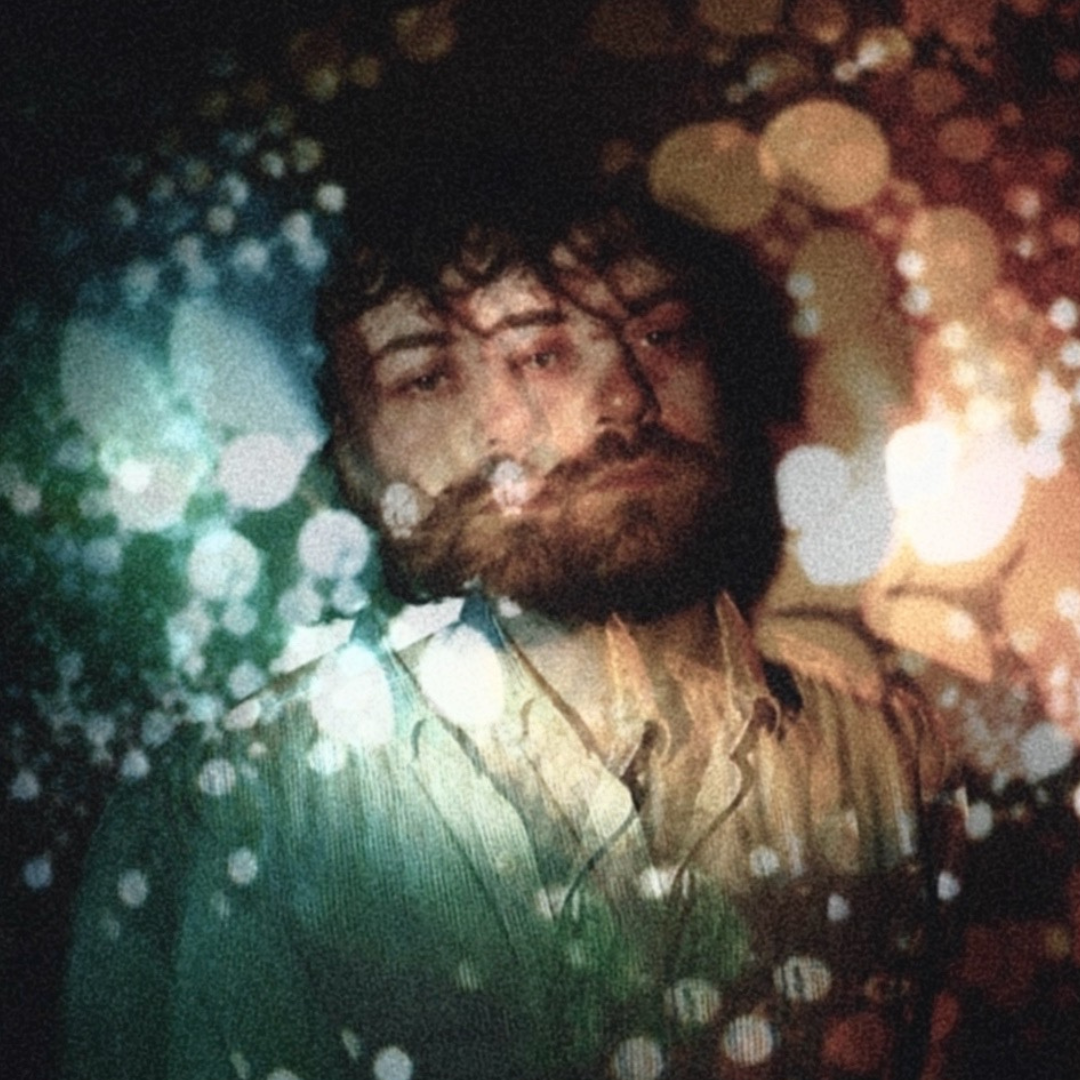
Take us all the way back to the very beginning, when did you first start playing the guitar and writing songs? Who particularly influenced, as well as interested you, during your more formative years, and when did you realize that that was the path you ultimately wanted to take? Did you participate in any groups or projects before becoming a solo musician? Hailing from California, the iconic influence and overall trajectory of talent is unparalleled anywhere else. Was this something that influenced your own process of making art, or did you find yourself reaching way outside the realms of West Coast culture?
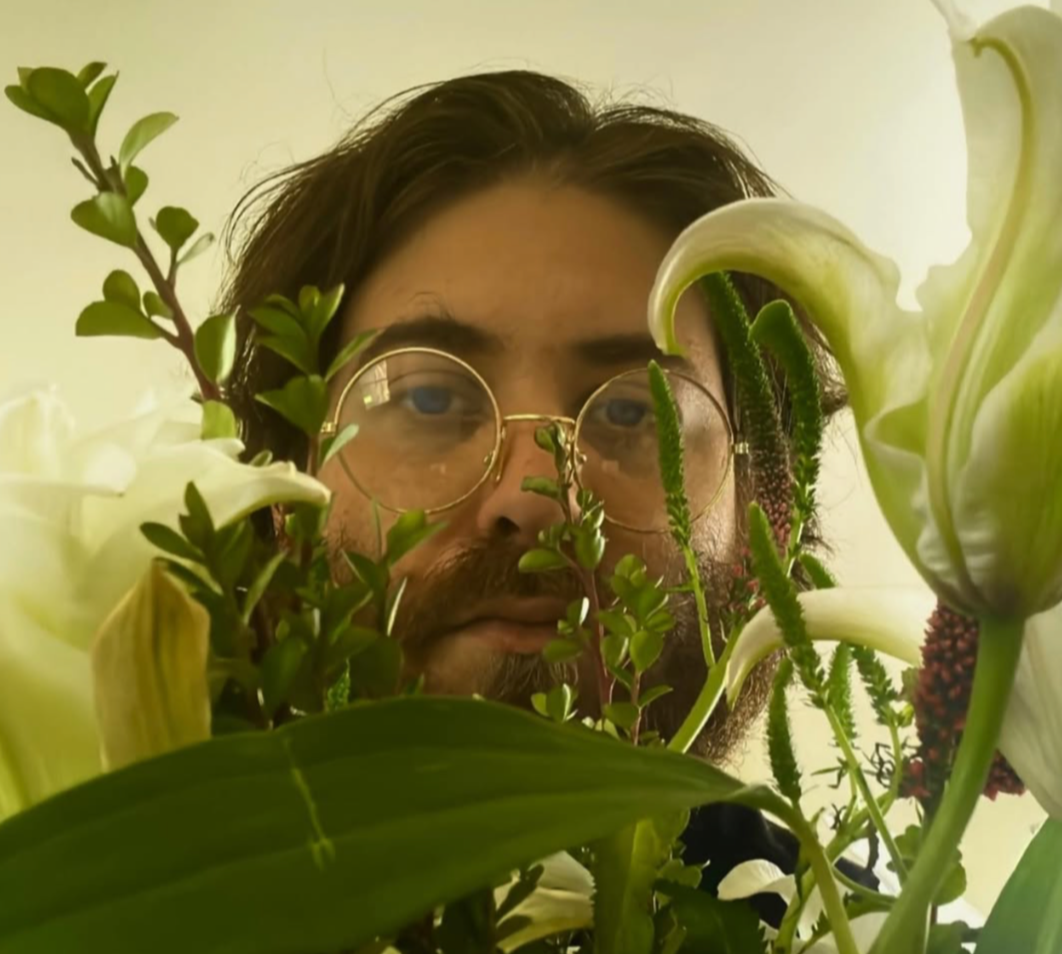
I started playing guitar when I was around nine years old. A friend’s older brother had one, and I became completely fascinated by it. My parents eventually got me my own guitar, and I spent countless hours watching Jimi Hendrix DVDs and trying to emulate his playing. I was mesmerized by the freedom and theatricality of it all. In middle school, a friend and I performed “Purple Haze” at a talent show, and at the end, I played the solo with my teeth like Hendrix. Somehow, we actually won. Before releasing my own work, I was in an early band that I’ll respectfully leave unnamed. Some things are best left buried with dignity. But even then, I think I already understood that music wasn’t simply a hobby for me; it felt like a lens through which I experienced life itself. Growing up in California certainly shaped me on a subconscious level, the warmth, the culture, the mythology of the West Coast, but musically, I was often looking elsewhere. British music had an enormous impact on me early on. Artists like King Crimson, Pink Floyd, and The Beatles felt incredibly formative. There was something deeply intentional and almost architectural about that world to me. It carried a sense of romance, experimentation, and elegance that I found endlessly inspiring. I admired the way many British artists approached art not merely as entertainment, but as world-building. That perspective probably influenced me more than any particular regional identity.
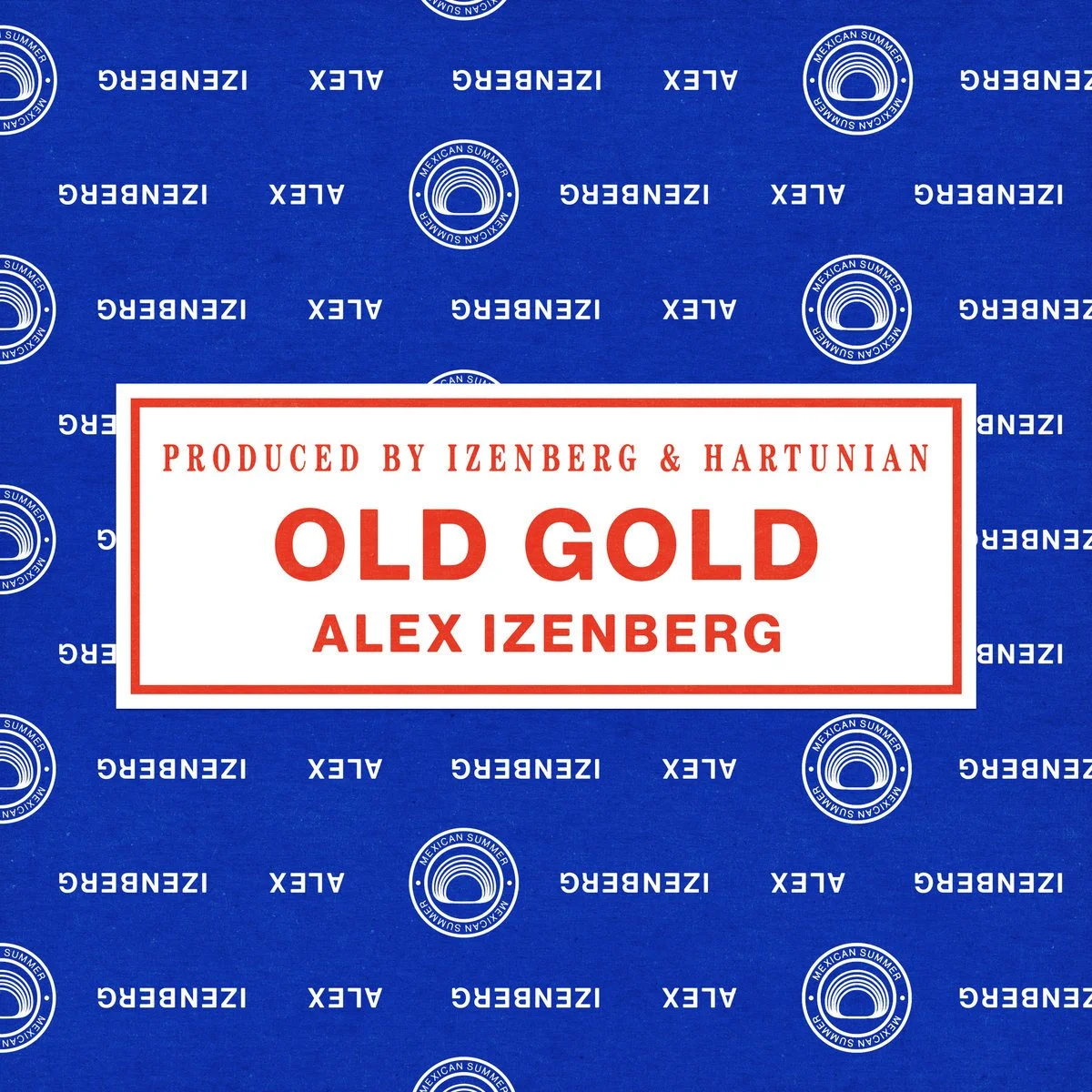
Over the last decade, you’ve released a splendid body of work, starting with your 2016 debut "Harlequin". Without becoming too trapped in the past, what are some of your fondest moments during the process of bringing to life some of your early works like “Caravan Château”, “I’m Not Here”, and 2024’s “The Exiles”? Over the years, what have you learned about yourself both as an artist and as an individual? I’d like to jump ahead to your latest single, and debut on the great New York-based label Mexican Summer, “Old Gold”. I understand this tune started out on the piano and was also something that had been 12 years in the making.
One thing that has remained with me since the beginning is the understanding that music should still contain a sense of play. Over the years, I’ve certainly become more disciplined and detail-oriented in the studio, especially as a producer and arranger. Still, I’ve tried not to lose sight of the bigger picture. There’s a concept in Stoic philosophy, memento mori, the reminder that all things eventually pass. In some strange way, that realization has always freed me creatively. The artists I love, the records that changed my life, all of us eventually disappear into time. So I’ve tried to approach the work with presence rather than obsession. When I think back on records like “Caravan Château”, “I’m Not Here”, or “The Exiles”, what I remember most vividly isn’t ambition or anxiety, but moments… long afternoons in the studio, laughter between takes, chasing a feeling that seemed impossible to explain fully. That, to me, is a key part of making a record. I think one of the great illusions in life is the idea that a person can fully “figure themselves out.” The self is constantly shifting. Is it the mind? The body? Memory? Perception? I’m not sure anyone truly knows. For me, I feel closest to myself during very quiet moments, usually at night, when the world slows down a bit. Lighting candles, opening the window, listening to music, those moments tend to feel more honest than most forms of modern life. “Old Gold” began very simply. I wrote the piano progression over a decade ago and would play it almost absentmindedly for years without imagining it would become a song. Eventually, my producer Greg Hartunian and I revisited it and realized there was something there. We wanted to create something warm, melodic, and emotionally immediate, something that nodded toward classic songwriting while still feeling unmistakably like my world. I’m very proud of what we made.
“British music had an enormous impact on me early on. Artists like King Crimson, Pink Floyd, and The Beatles felt incredibly formative. There was something deeply intentional and almost architectural about that world to me. It carried a sense of romance, experimentation, and elegance that I found endlessly inspiring. I admired the way many British artists approached art not merely as entertainment, but as world-building. That perspective probably influenced me more than any particular regional identity.”
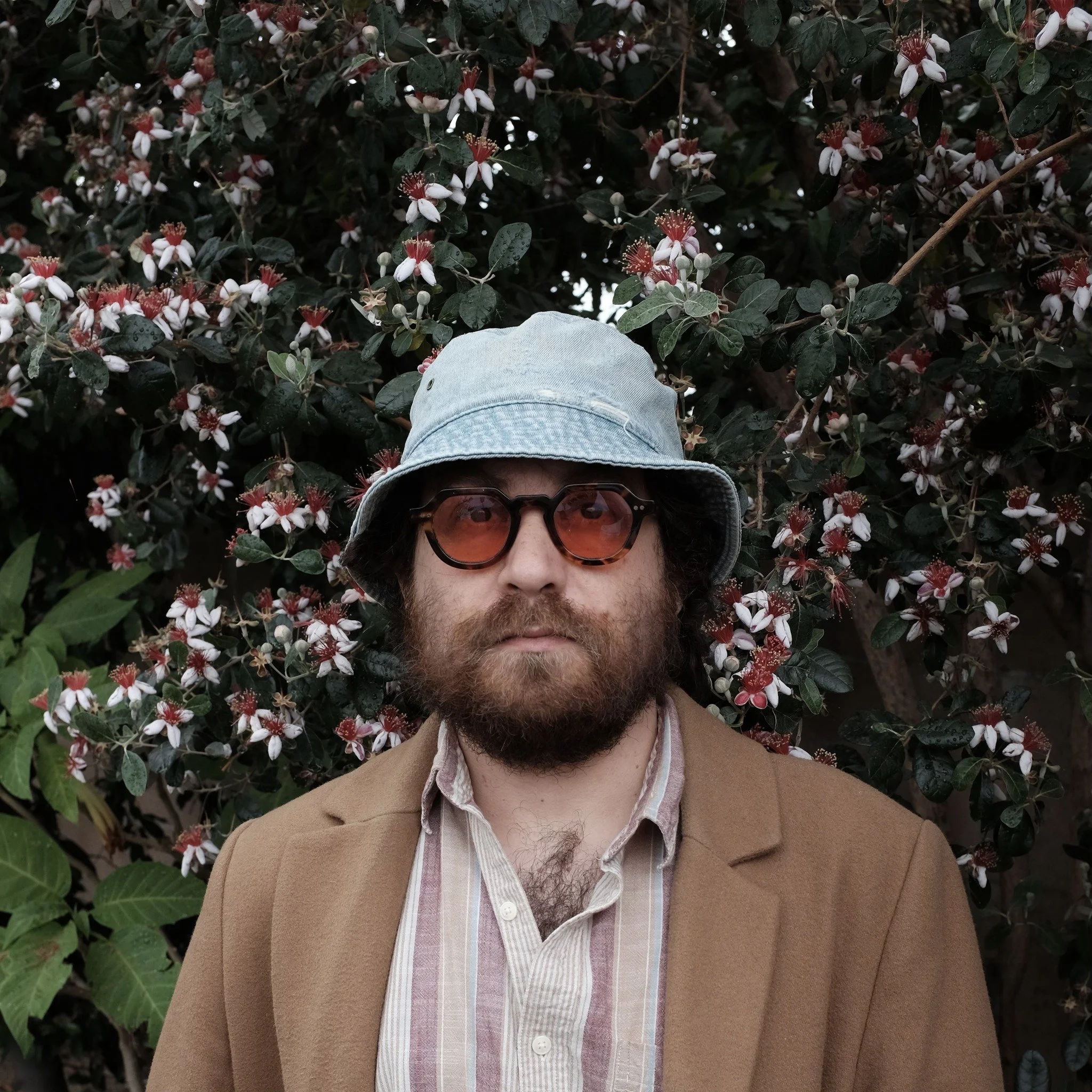
Photo: Isabella Uhl
It’s funny how this stuff works, where certain things remain dormant, and then all of a sudden spring into existence. Is it a safe assumption that you’re working on a new material that could transpire into a new album? Is there anything else you would like to further share with the readers?
It is strange how songs sometimes wait for us. Certain ideas remain dormant for years, and then suddenly reveal their purpose at the right moment. In the case of “Old Gold”, Greg was actually the one who encouraged me to turn that piano piece into a full song, finally, and I’m very grateful he did. My fifth album is currently stewing; it’s still evolving, but the foundation is there. The songs already feel deeply alive to me. More than anything, I think I’m interested in continuing to make work that feels enduring, records that people can live inside of for a long time. That matters more to me now than chasing trends or reacting to the noise of the moment. The older I get, the more I value depth, atmosphere, and sincerity over immediacy. I think that’s the direction I’ll probably continue moving toward, regardless of where it may take the listeners or me.