Thirty Years of Taj Mahal’s Phantom Blues
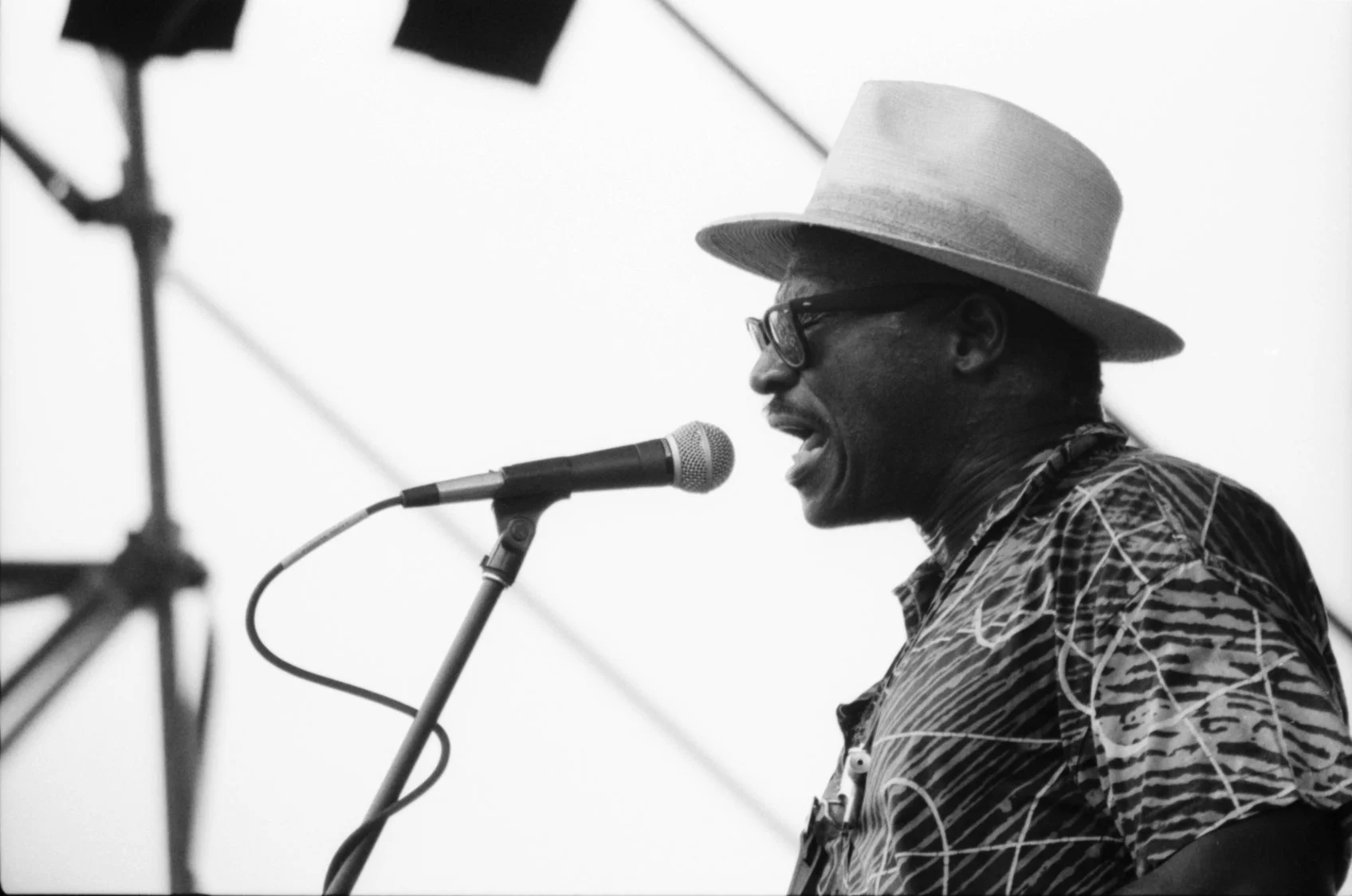
Henry St. Claire Fredericks Jr., better known by his stage name Taj Mahal, is a multi-instrumentalist, actor, and guru whose spiritual sounds and iconic investments into the arts have been a fundamental fixture for over half a century. Combining the electrifying elements of West Indian and Caribbean music, jazz, reggae, and his signature blend of blues, the liberating legend has expanded his eagerness by exploring the essence of the heart, mind, and soul through the meditations of vibrations. Having shared the stage and poetic presences with some of the greatest musical minds of his generation, such as Gram Parsons, John Fahey, Muddy Waters, and Townes Van Zandt, to name a few, his influence alone is beyond that of most of his contemporaries who touched on culture’s commercial consciousness. Mahal’s melodic mark had the zeitgeist of society permanently preoccupied with the critical connection to a higher plain of expression and experience, and over the decades, he’s only aged gracefully both on and off the stage. The legend’s artistic air wasn’t only a sonic staple of the late 1960s and 1970s; as the decades continued, his creative caliber and cosmic Caribbean charm began to shift with the times, inspiring an entirely new generation of songwriters and poetic ponderers such as Ben Harper, Jack Johnson, and G. Love & Special Sauce, who’ve continued to carry that tender torch through the night.
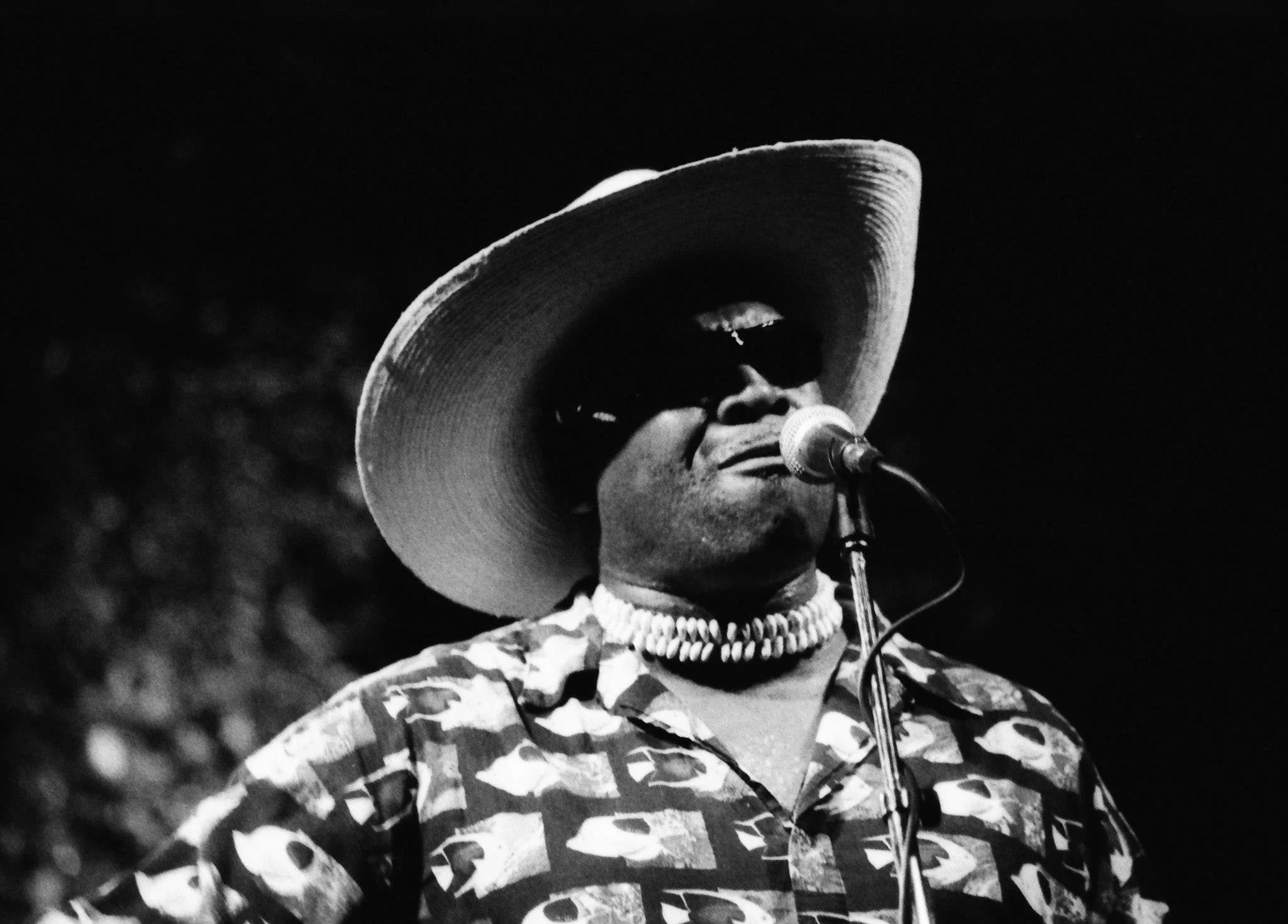
Photo: Mark Fredell
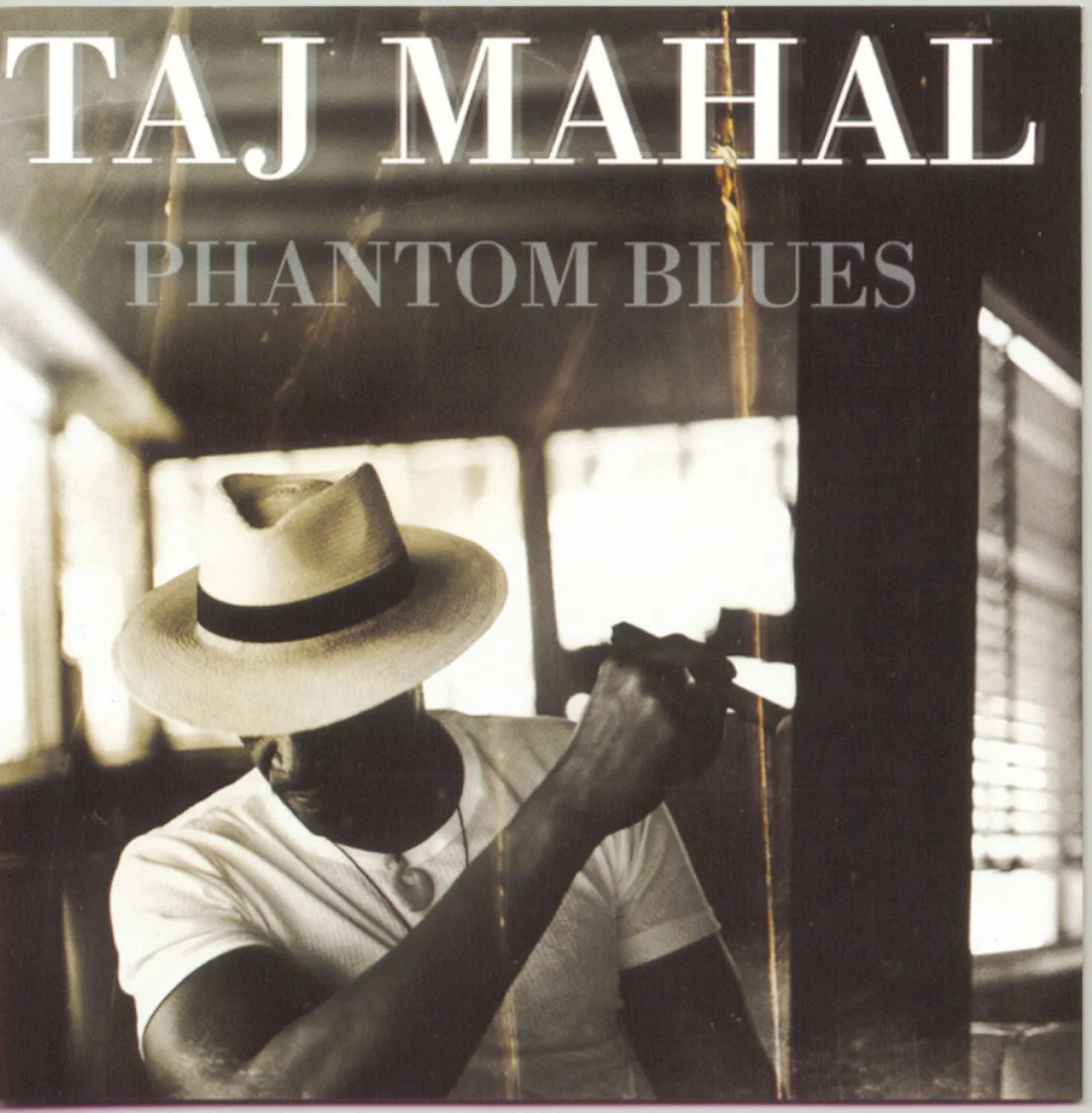
The mid to late 1990s were fascinating times for the veteran songwriter as he entered a new decade with his incredible band, The Phantom Blues Band. Having released their debut album “Dancing The Blues” in 1993, which featured an eclectic cast of musicians such as Etta James and Fats Domino, Mahal decided to record at the legendary Sound City Studios in Van Nuys, California, in the summer of 1995 to bring to life their follow-up “Phantom Blues” in just under a week. A gorgeous collection of soulfully selected love songs and R&B classics intimately infused with the harmonious history of greats, like Doc Pomus and Freddy King. Mahal takes listeners on a journey through some of his favorite artists and their tonal traditions by bridging the gap between the prolific past and his critical contemporaries, such as Eric Clapton, Bonnie Raitt, and Tom Petty and the Heartbreakers’ guitarist, Michael Wayne Campbell, contributing their techniques and fundamental flavors on this entirely cover-based album, except for the stunning opener “Lovin’ in My Baby’s Eyes”, which is an original of Mahal’s that effortlessly showcases his brilliance in all its gripping glory. By introducing his audience to the sounds he grew up on during his formative years before becoming a star himself, the album poetically ponders the subtle subjects of love, loss, and our critical connections with people, which are ultimately challenged as we advance in life.