Furniture :: When The Boom Was On
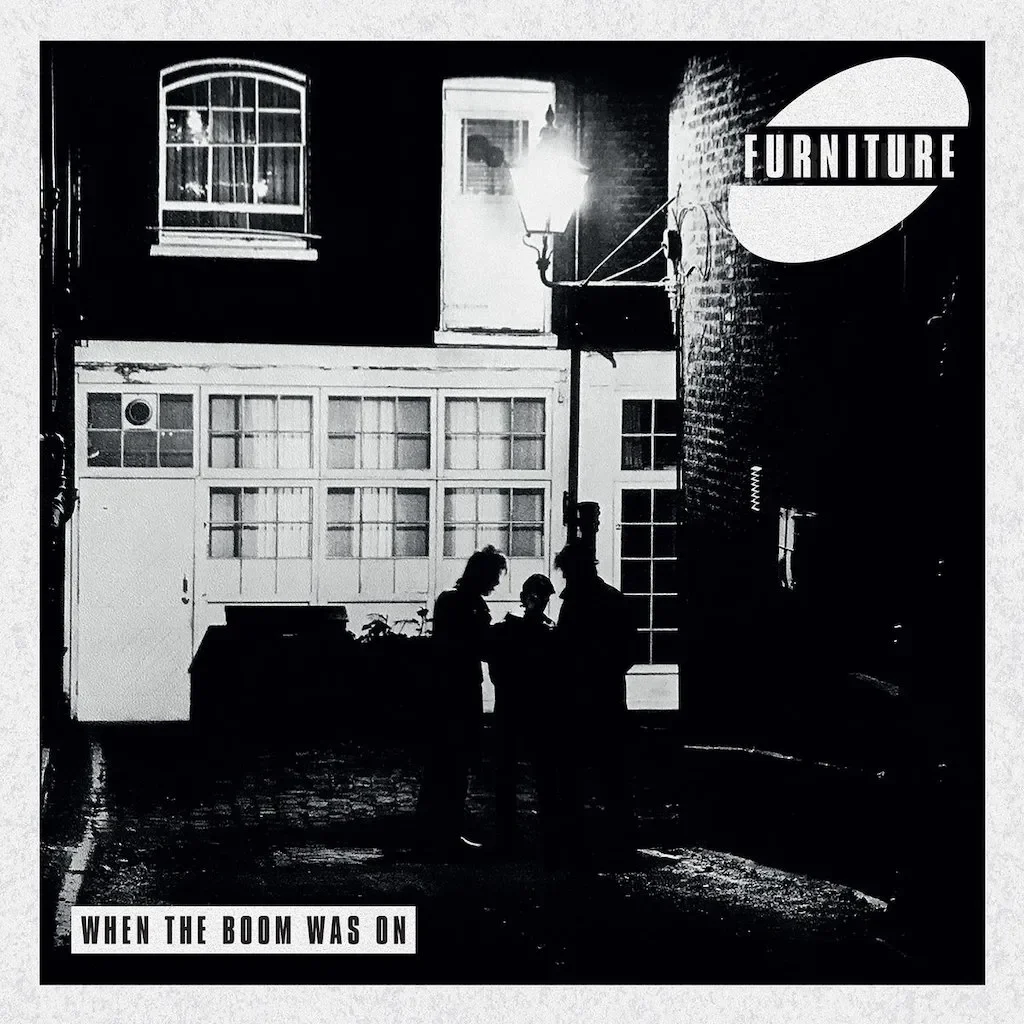
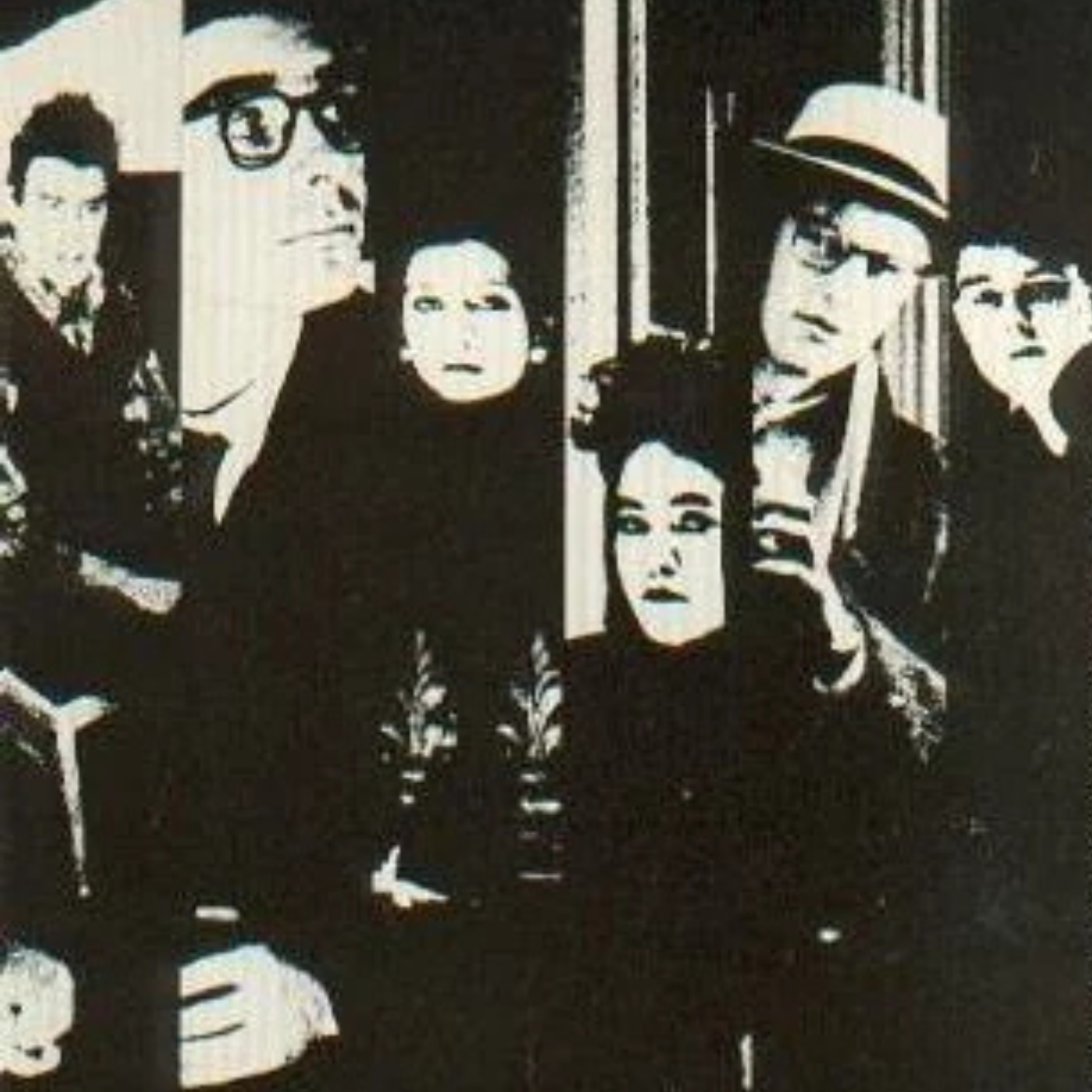
Having formed in the Ealing area of London, famously known as the “Queen of the Suburbs,” a district in West London just a few miles west of Charing Cross, new-wave post-punk legends Furniture came onto the suburban scene at the tail end of the 1970s with a calm and calculated charisma. An eager ecosystem that saw global greats like the Who, the Stones, and Manfred Mann, to name a few, cut their transcendent talents on the local circuit, there was a new electrifying era and generation of music just around the corner, and it was only a matter of time till its radical reach found its whispering ways into everyone’s ears, eyes and minds. The group’s core members Maya Gilder, Sally Still, Tim Whelan aka Alex Kasiek, Hamilton Lee, Larry N'Azone, and frontman Jim Irvin released their first official LP in 1986 titled “The Wrong People”, which featured the group’s breakthrough single “Brilliant Mind”, but it was their 1983 EP “When The Boom Was On” that not only sonically solidified their unique universe of sound, but the timeless tones that can be heard in countless acts today whether they’re aware, or not. Carefully conceived at Denmark St. Studios in London’s legendary "Tin Pan Alley", where groups like Black Sabbath recorded their infamous debut, as well as their seminal sophomore album “Paranoid”, Jimi Hendrix, the Kinks, and the Stones, to name a few, and at Meon Road while operating a mobile recording device called the “Master Mobile”, the band creatively conjured its sophisticated sessions in 1982 and 1983 before releasing the magical material on their independent label Premonition Records. Mastered by Denis Blackham (BilBo), who worked on such titles as The Who’s “Who’s Next”, Rory Gallagher’s “Tattoo”, Lou Reed’s “Rock ’n’ Roll Animal”, Kraftwerk’s “Autobahn”, and countless other titles, “When The Boom Was On” was one of four releases on their intimate imprint, and perhaps one of their most effortless embodiments of that stinging sound that makes this particular decade so intensely iconic.
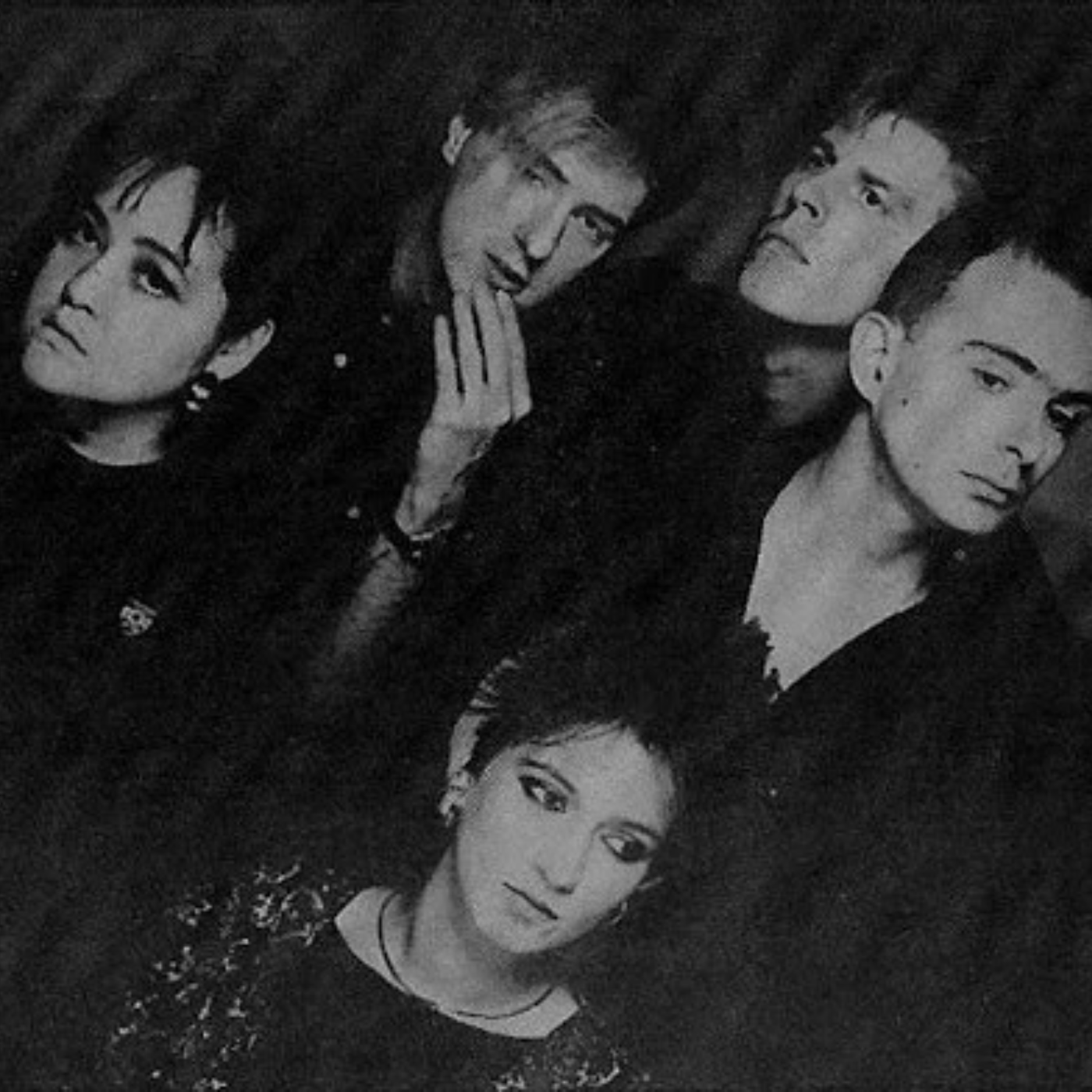
While simultaneously adjusting the atmospheric dials on the group’s delightful dashboard of tempting textures, ritualistic rhythms, and sensual sax signals, the album features tracks like “I Miss You”, the tribalistic tones of “Robert Wightman’s Story”, and the breathtaking “Why Are We In Love”, the band may never have gotten the chance to take over the world such as their peers but their blissed out poetry, and mysterious melodies live on like some complicated ghost stuck between channels before being set free.