
Four Decades Of Sonic Youth’s Bad Moon Rising
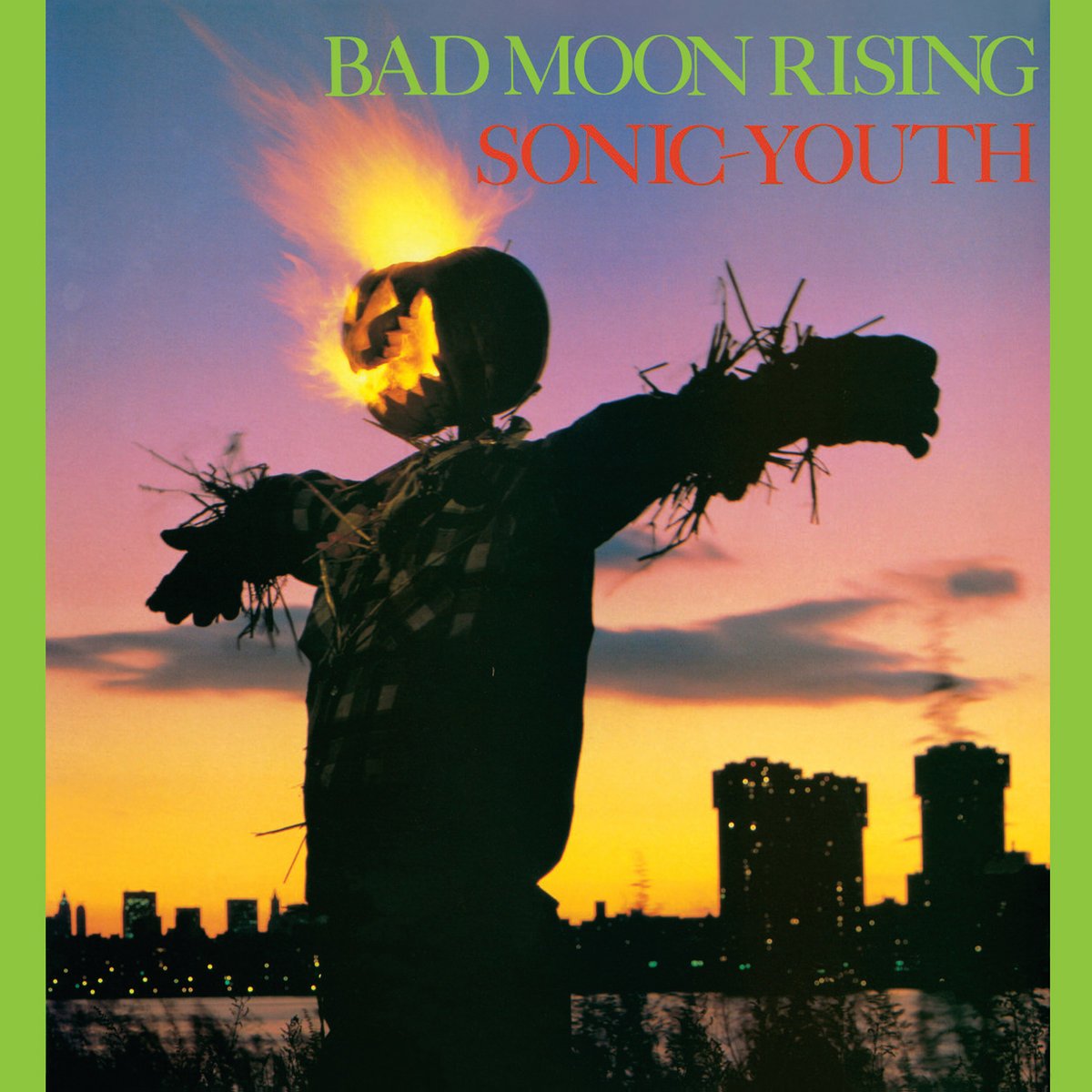
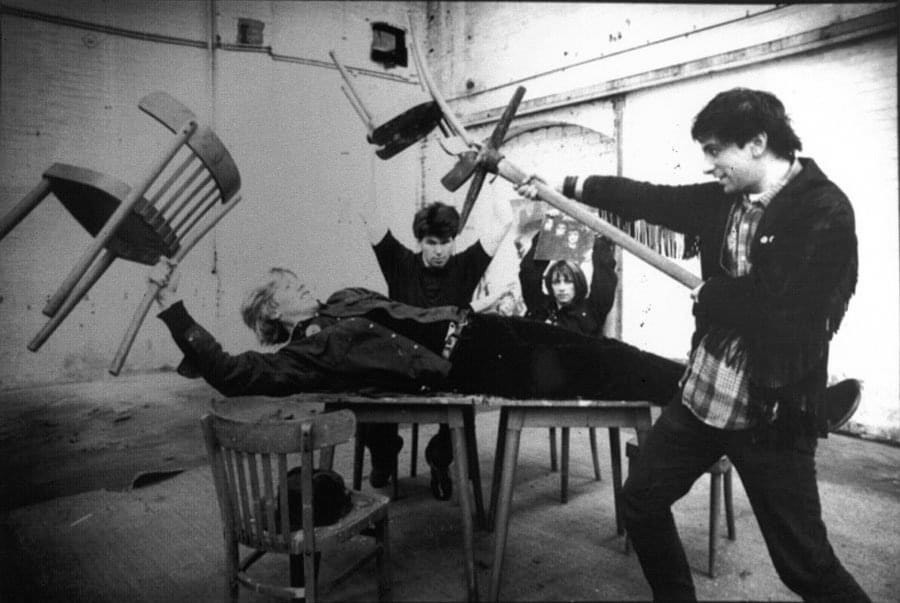
Photo: Ernest Potters
New York’s beloved Sonic Youth had already been on the spiritual scene for close to half a decade when they eagerly expressed their Dionysian desire for a numbing noise narrative and fundamental feedback within the prolific punk scene of the 1980s. Having originally formed in 1981 as a byproduct of the ‘No Wave’ scene that epically emerged from the victorious vapors of the city’s critical, creative community, the band had already set the weird watermark in abstract America with their self-titled EP, and 1983’s diabolical debut “Confusion Is Sex", but it was their subconsciously static sophomore album “Bad Moon Rising” that truly transcended the times by carefully capturing the esoteric essence of the band, and the legendary landscape of New York’s rough, and dangerous dimensions. Marking the debut of drummer extraordinaire Bob Bert (Robert Bertelli), the band’s sonically sophisticated weapon, though short-lived, separated the group from their previous material by dangerously displaying a profound power that would test the tonal textures and metallic melodies of their community’s creative core. After returning to the States after a rather disastrous, yet iconically intense takeover in London, Sonic Youth single handedly brought audacious attention to their scene of pulverizing pioneers such as Swans, Teenage Jesus and the Jerks/Lydia Lunch, and Bush Tetras, to name a few, by showing critics and hesitant listeners that the psychedelia of the 1960s, and the guitar Gods of the 1970s were all coming together in a violent vacuum of free expression.
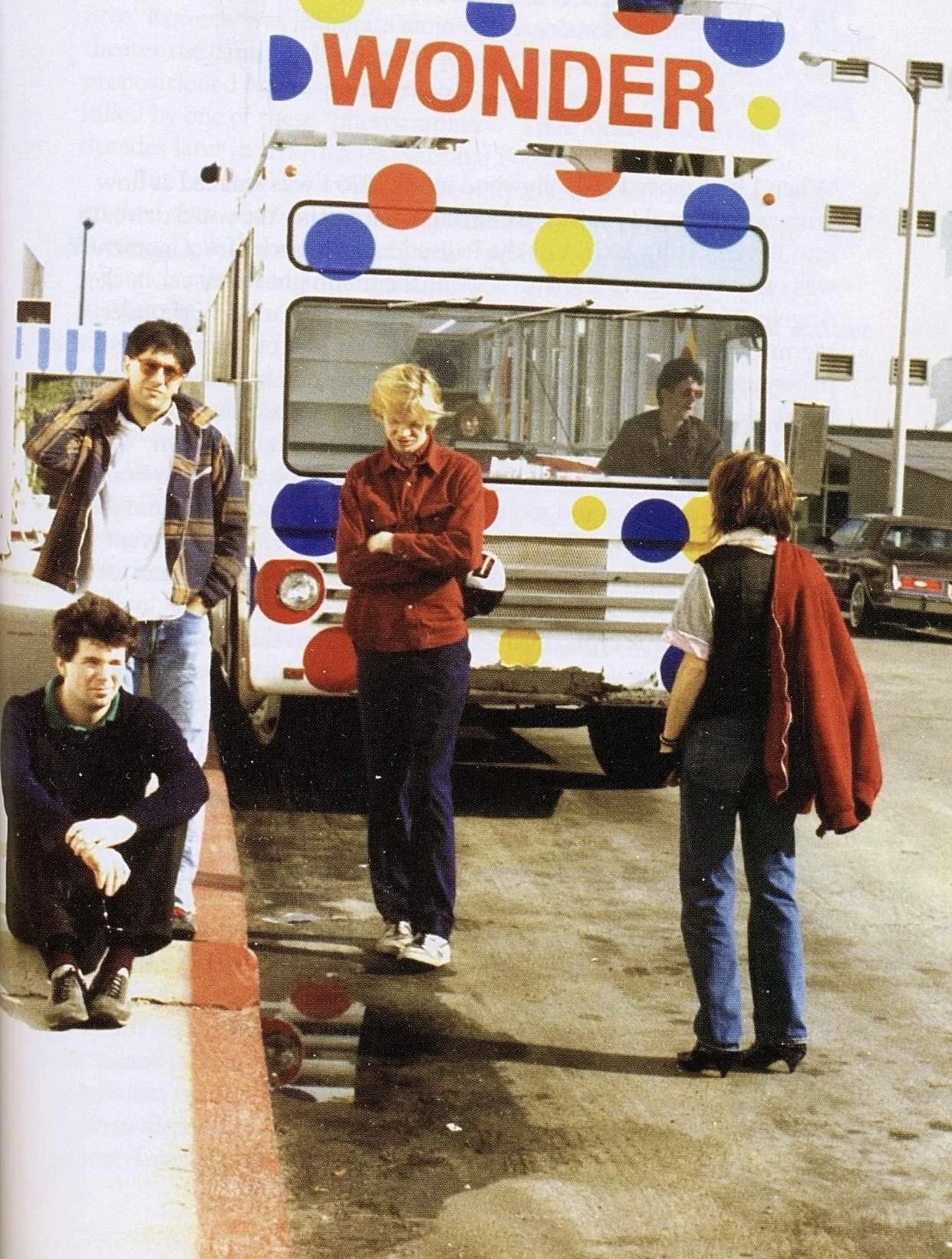
Photo: Naomi Petersen
Recorded and mixed at Before Christ Studios in Brooklyn by acclaimed producer Martin Bisi, where the group had previously laid down the splintered sounds of “Confusion Is Sex", in the winter of 1984, “Bad Moon Rising,” and its cerebral context separates the marrow from mortality of its merciless members and their transcendental talent to communicate with the dead through their impeccable instruments. As the album unfolds, the prolific pages of Burroughs’ 1989 masterpiece “Interzone”, Sonic Youth, and its members, Thurston Moore, Kim Gordon, Lee Ranaldo, and Bob Bert embark on an electrifying expedition into the universally unknown with one of the most transcendent tracks in the band’s entire catalog, the subliminally superb “Brave Men Run (In My Family).” While simultaneously reacting to society like a bolt of lightning across the sky, the album expands on several trippy topics, such as Satanism, the rape and pillage of the European settlers, the Manson Family, and the industrial intensity of New York’s interior identity. Where symbols ache like a varicose vein spreading underneath the soft skin of its subject, Sonic Youth extract the purples and blacks of the bruise left behind after a wall of spiritual sound washes over listeners, both old and new to the sights, and surreal structures of one of the group’s most compelling efforts of all time.