East Of Eden :: Snafu
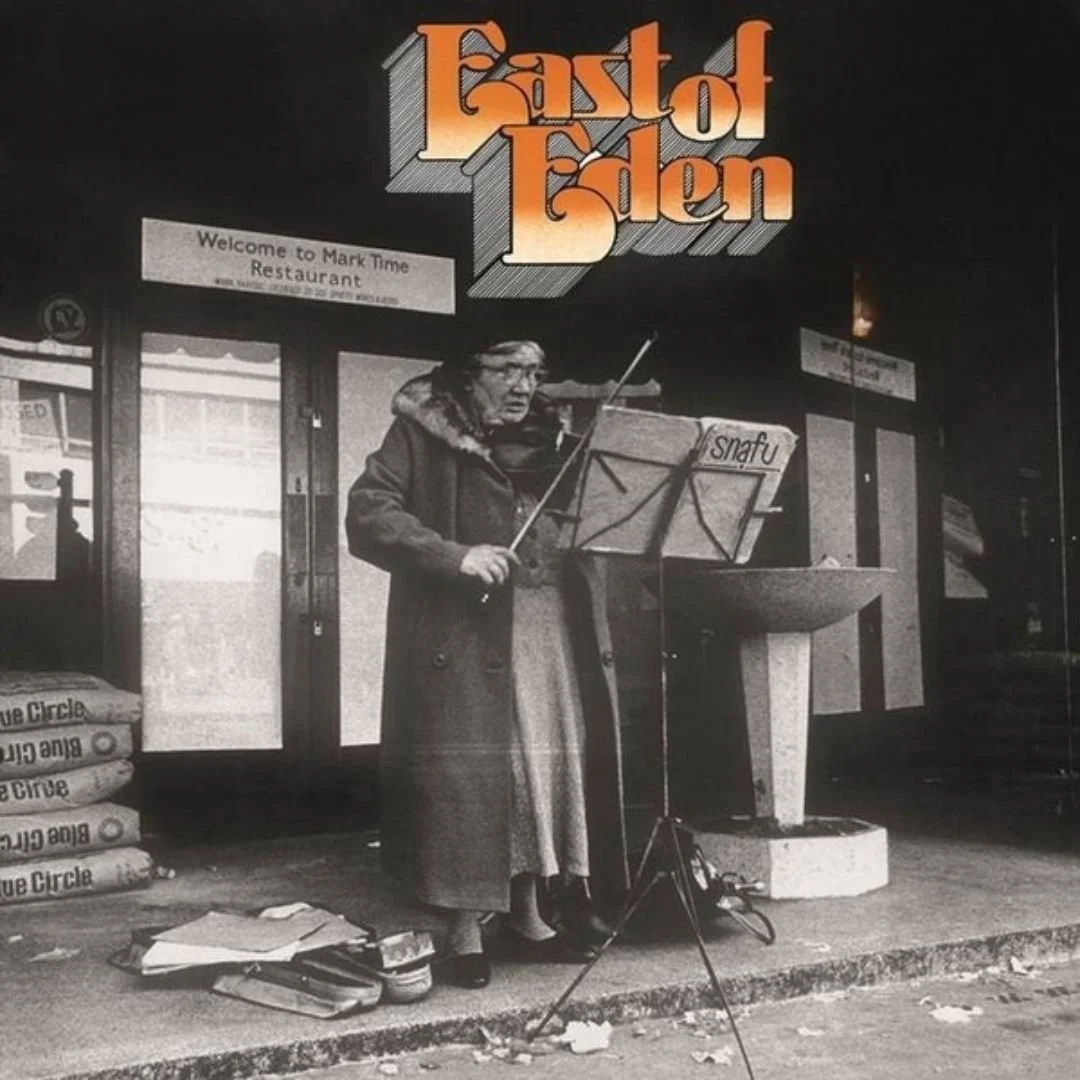
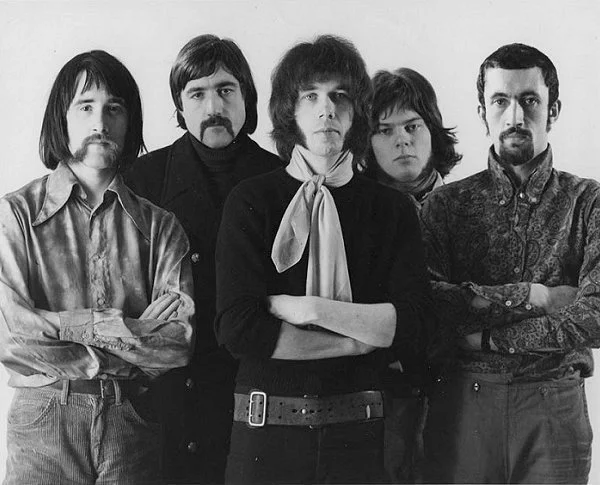
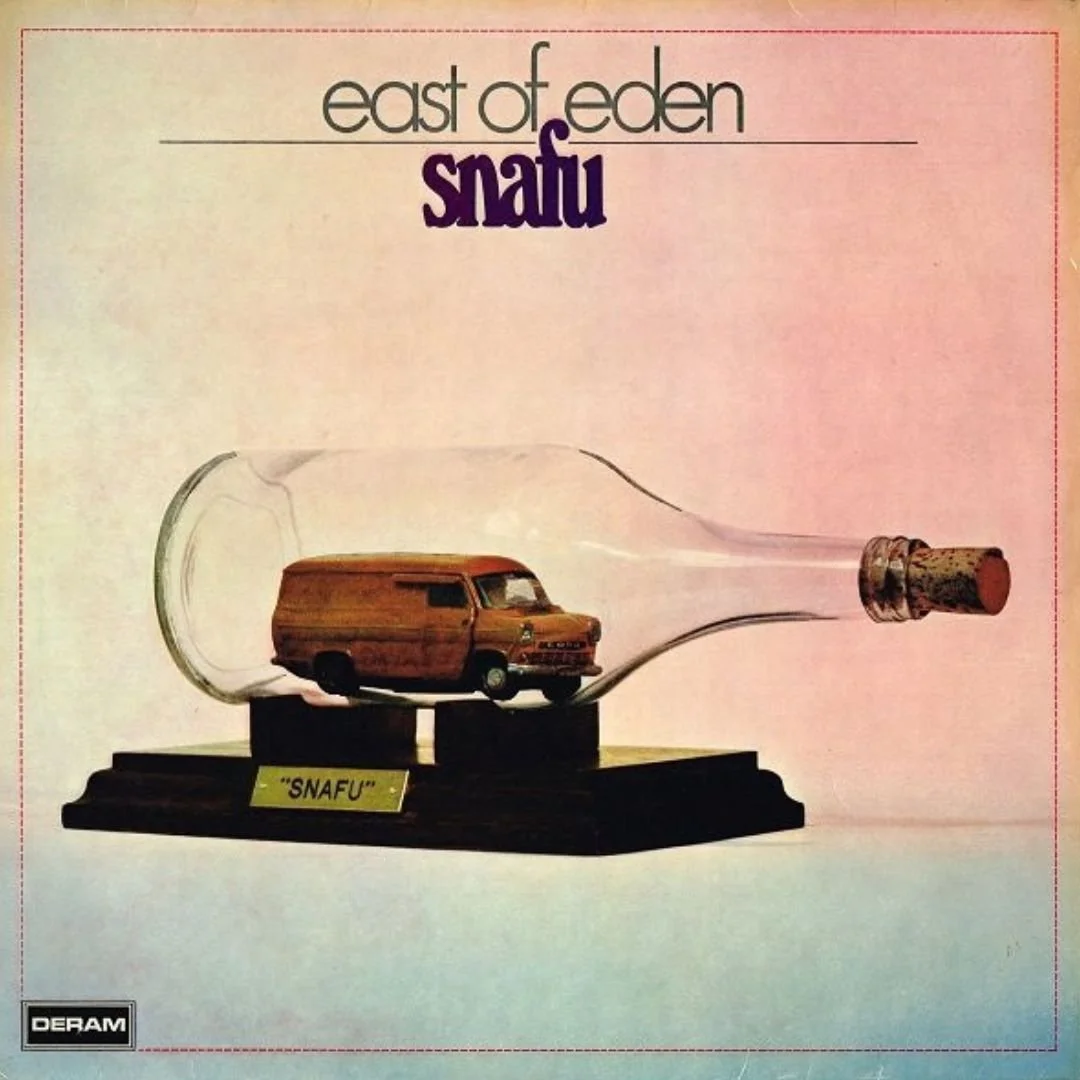
You wouldn’t be completely wrong if you thought East of Eden only referenced the biblical location of the “Land of Nod”, where Cain was exiled. You also wouldn’t be wrong if you thought it was related to John Steinbeck’s 1952 classic family saga, or the 1939 book by the Polish-Jewish novelist who wrote in Yiddish, Israel Joshua Singer. There’s not necessarily a wrong answer, but to make matters easier, we’ve narrowed down your bold, and brave search to the Bristol, England, UK-based progressive rock group East of Eden and their splendid sophomore album “Sanfu,” in case you weren’t familiar, or had some religious reaction upon reading this, and quickly decided to head for the hills. Having formed in 1967, just two years before the group signed with the sister label of Decca, Deram, they were off to the races with their 1969 debut “Mercator Projected” just like that. But something shifted sonically within their creative core when it was time to record their immediate follow-up in 1970, “Sanfu,” which would also be their last release on Deram before joining the mighty ensemble of Harvest Records during its revolutionary reign in the 1970s. So who the hell is East of Eden if it isn’t just the biblical location of the “Land of Nod”, where Cain was exiled, John Steinbeck’s 1952 classic family saga, or the 1939 book by the Polish-Jewish novelist who wrote in Yiddish, Israel Joshua Singer? They were a band, and like most, during their infamous decade, they shape-shifted from jazz fusion/rock to the performative prestige of progressive rock, within the golden age of British rock from 1969 to 1972-1977.
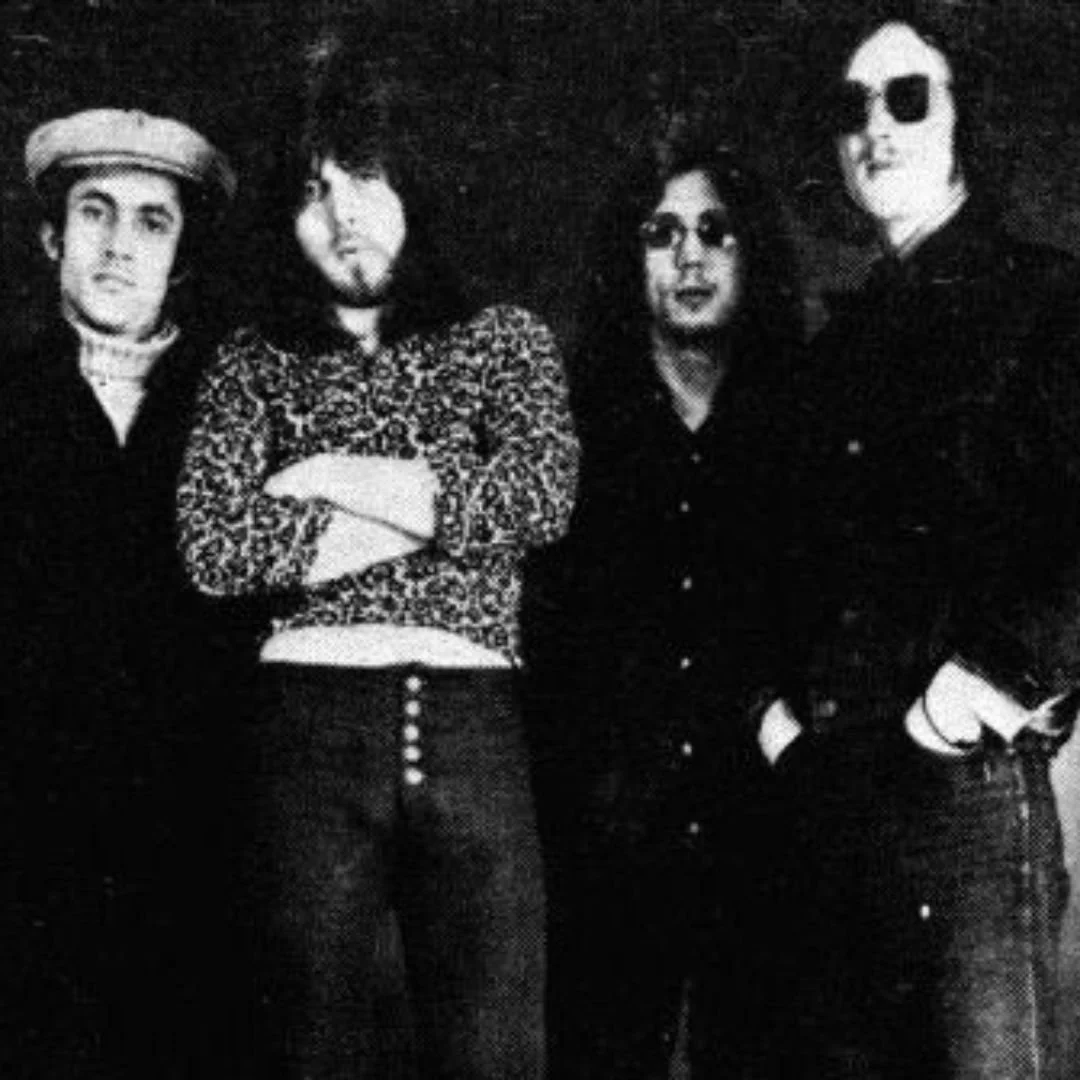
Brushing soldiers with the greats like King Crimson, Kevin Ayers, and the Soft Machine, and Gentle Giant, to name a few, East of Eden’s sophomore album “Sanfu” sincerely separated them from their progressive peers with its Middle Eastern elements, metaphysical magic, and the fluidity of the flute that takes listeners on a downward spiral into the oscillating oblivion of life, and death. With several lineup changes plaguing the group throughout its career, this particular lineup consisted of Scottish bassist Andy Sneddon, Geoff Britton, who played drums on Wings’ 1975 classic album “Venus and Mars”, Geoff Nicholson, Dave Arbus, and Ron Caines. A compelling collection of multidisciplinary musicians ranging in spiritual style and complex characteristics, the album embarks on an endless journey through ritualistic rhythms and trepidatious traditions found within the cosmic community of cultural charisma. Featuring several engineers like John Burns, Simon Schofield, Robin Sylvester, who played in the late great Bob Weir’s RatDog, Dave Grinsted, and Peter Rynston, who worked with groups like Aardvark, Black Cat Bones, Room, Caravan, and Thin Lizzy’s self-titled debut, these behind the scenes savants helped bring to life the electrifying essence of the band’s epic energy and captivating communication as one musical muscle. “Sanfu” is a mesmerizing body of work that transcends space and time with its cosmic chaos and radical responses to the eternal ecosystem of human emotion, like Jethro Tull, or the underground sounds of Morocco’s dungeons of delight. Featuring tracks like “Nymphenburger,” “Leaping Beauties For Ruby,” “Xhorkom,” and the sublime structure of perhaps the album’s most magical moment, “Gum Arabic”, the group creatively complements the sonic stratosphere that can still be heard and seen half a century later if you’re looking in the right place at the right time.