55 Years Of Journey In Satchidananda :: Alice Coltrane
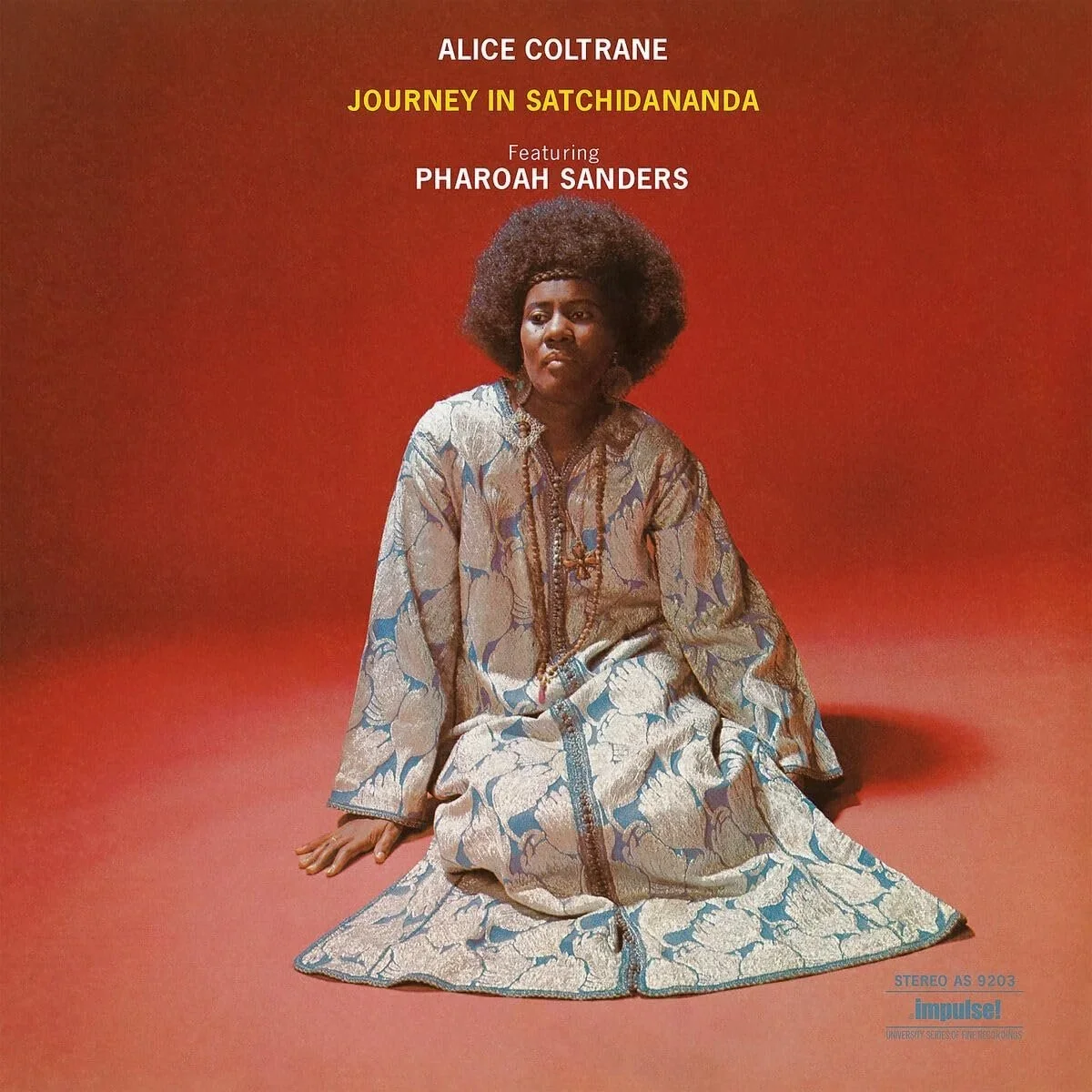
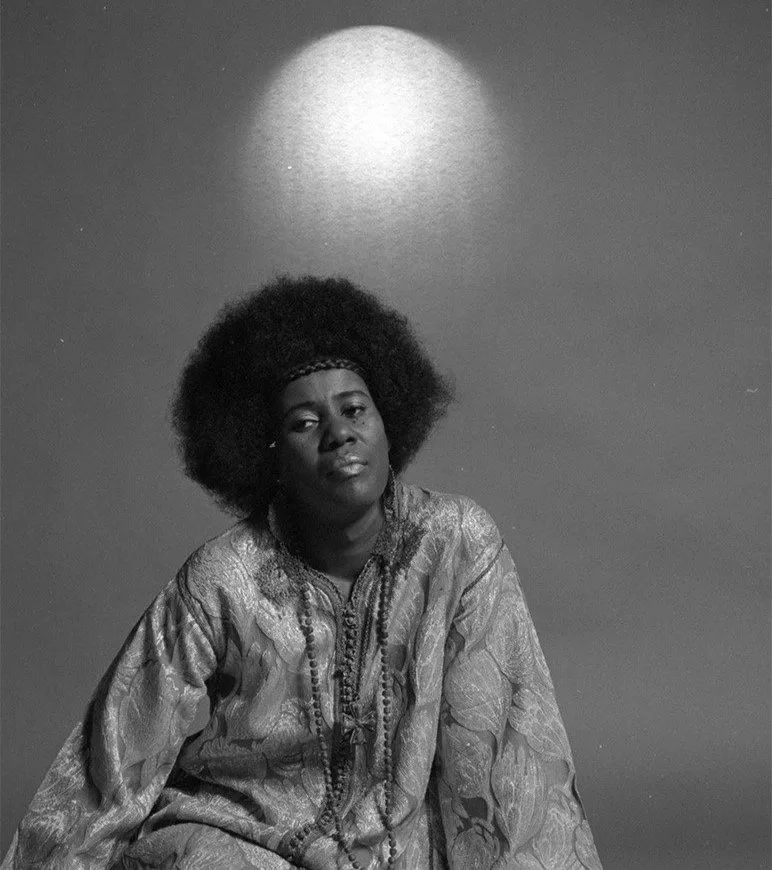
Photo: Echoes/Redferns
Do you remember the first time you heard the late great Swamini Turiyasangitananda, known professionally as Alice Coltrane, and her subliminal 1971 masterpiece “Journey in Satchidananda”? Was it an older sibling, whose cosmic collection shattered your radio-friendly listening ears? The gravitational pull from the clerk behind the register at your local record store, who actually shared the album title with you? Or maybe it was a direct connection from the mighty melodies and transcending tones of John Coltrane, who had passed just a few years before the album’s release? It’s incredibly important that humanity knows of the whispering works of the Coltranes. Still, it’s detrimental to society’s subconscious as to how we connect to the unique universe of spiritual sound and holy harmonies found within some of the genre’s most celebrated figures, as we pry open perhaps one of the most influential bodies of work in spiritual jazz. Recorded in the sweltering summer heat of 1970, and released in February of 1971 as the liberating legend’s fourth studio album, a portion of “Journey in Satchidananda” was recorded in Coltrane’s home studio in the Town of Huntington in Suffolk County, on Long Island, in New York, in the winter of 1970, while the ethereal elements embedded in the dystopian DNA of "Isis and Osiris" was recorded live at the renowned nightclub Village Gate at the corner of Thompson and Bleecker in Greenwich Village later that summer. Without stating the obvious of the album’s production details to a degree of smothering, the spiritual smoke that spills from its atmospheric anatomy, close your eyes, and picture yourself sitting in a critical cafe in the heart of the Village, as people stroll past the thick window glass, as the sound of Homer Laughlin Atomic Star coffee mugs clatter against each other across the bar where leaded, and unleaded coffee is being poured in an endless eternity. Now open your eyes. Can you hear the harmonious hums of Coltrane’s historical harp as it bends space-time like a page of sheet music? Or the screams of Sanders’ soprano saxophone?
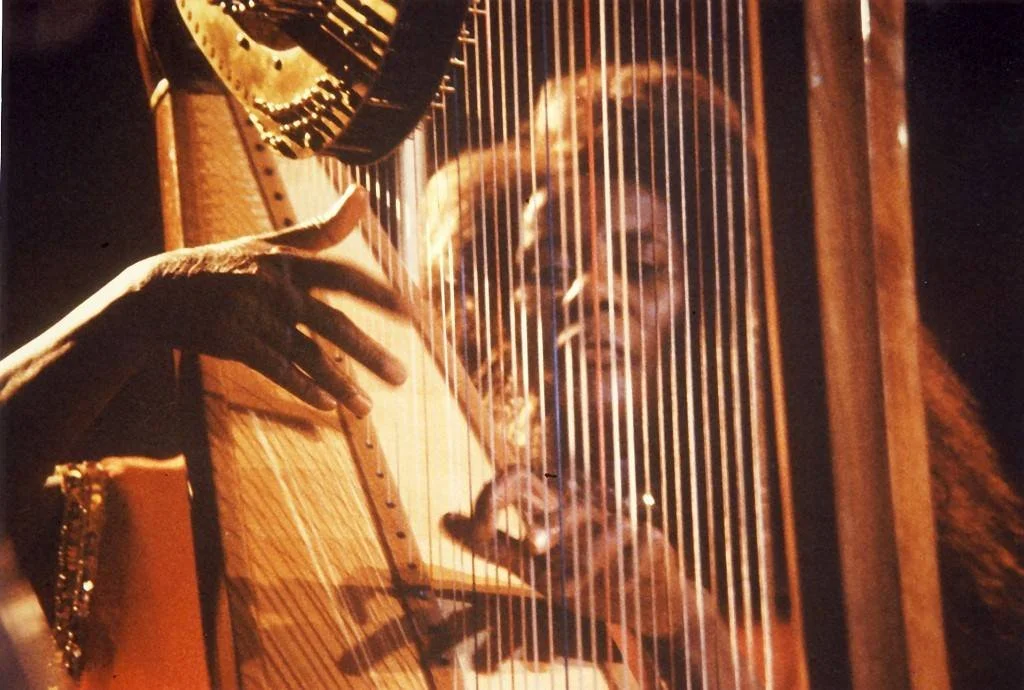
Like a flickering fire breathing from a nearby campfire, the creative cohesiveness of this album is something only legends are made of. Its cosmic conception connects listeners to the queen’s previous record, “Ptah, the El Daoud”, which debuts her and Pharaoh Sanders’ poetic partnership, but stands as a completely separate body. Sophisticated and solidified in the transcendental teachings, practises, and spiritual studies of Hinduism, Coltrane invites an epic ensemble of musicians such as Cecil McBee, Rashied Ali, Charlie Haden, Vishnu Wood, Tulsi Sen Gupta, Majid Shabazz, and, of course, Pharoah Sanders to cast sonic spells into the echoing hallways of grief, spiritual sedation, and love. So much was happening in Coltrane’s life, both personally and professionally, in the years leading up to the release of Journey. With the passing of her late husband, the transition as a leading lady in jazz, and overcoming the particular process that comes with loss, Coltrane embarked on a journey through the catacombs of creative consciousness, while simultaneously battling the endless emotions of the human experience. Engineered by Roy Musgnug and Orville O'Brien, and produced by Ed Michel and Coltrane herself, “Journey in Satchidananda” is a meditative masterpiece that has shaped our souls and subconscious for over half a century. The melodic magic within the album’s cosmic core has only grown richer over time as her esoteric efforts explore the revolutionary realms of Middle Eastern and North African music in under an hour.