30 Years of Sonic Youth’s Washing Machine
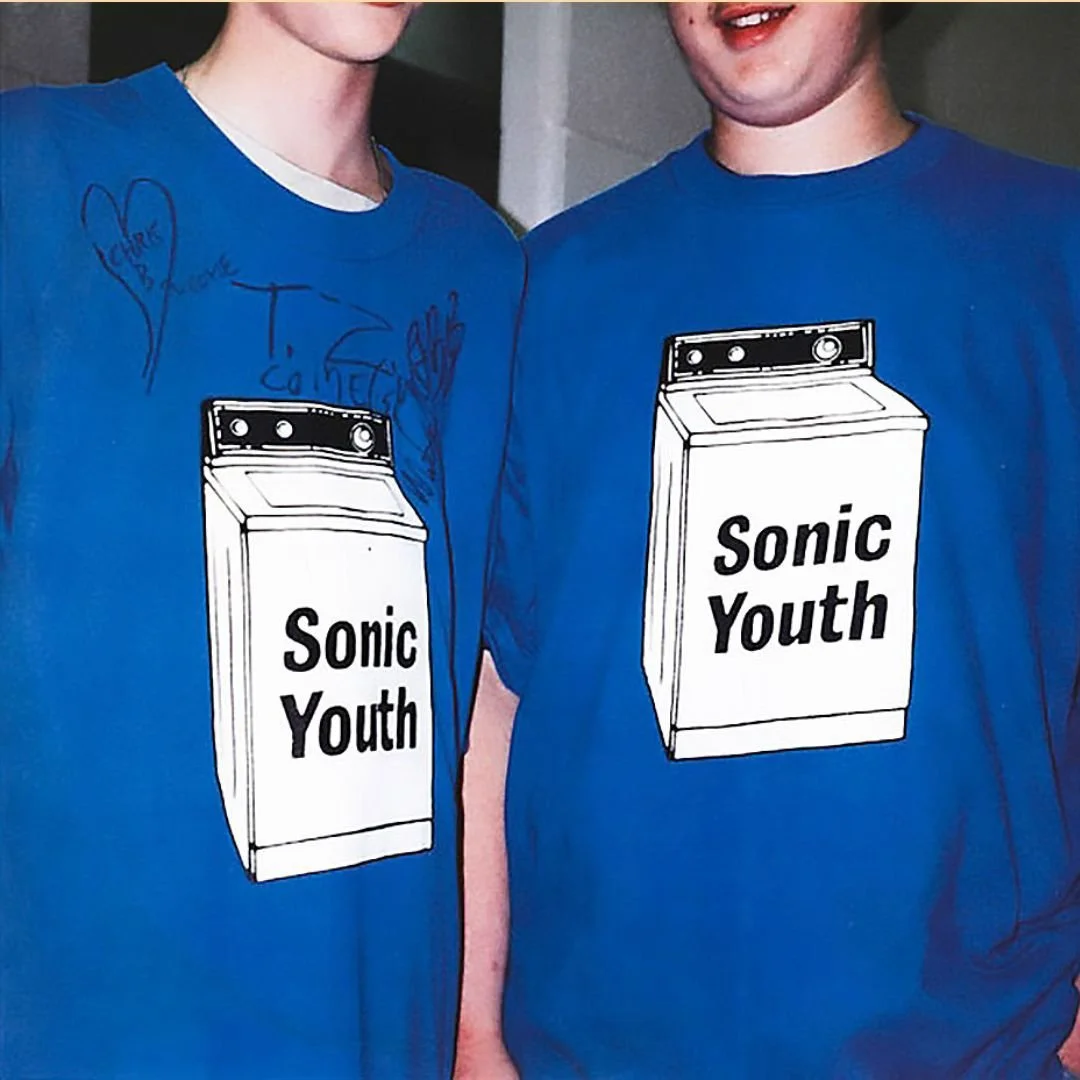
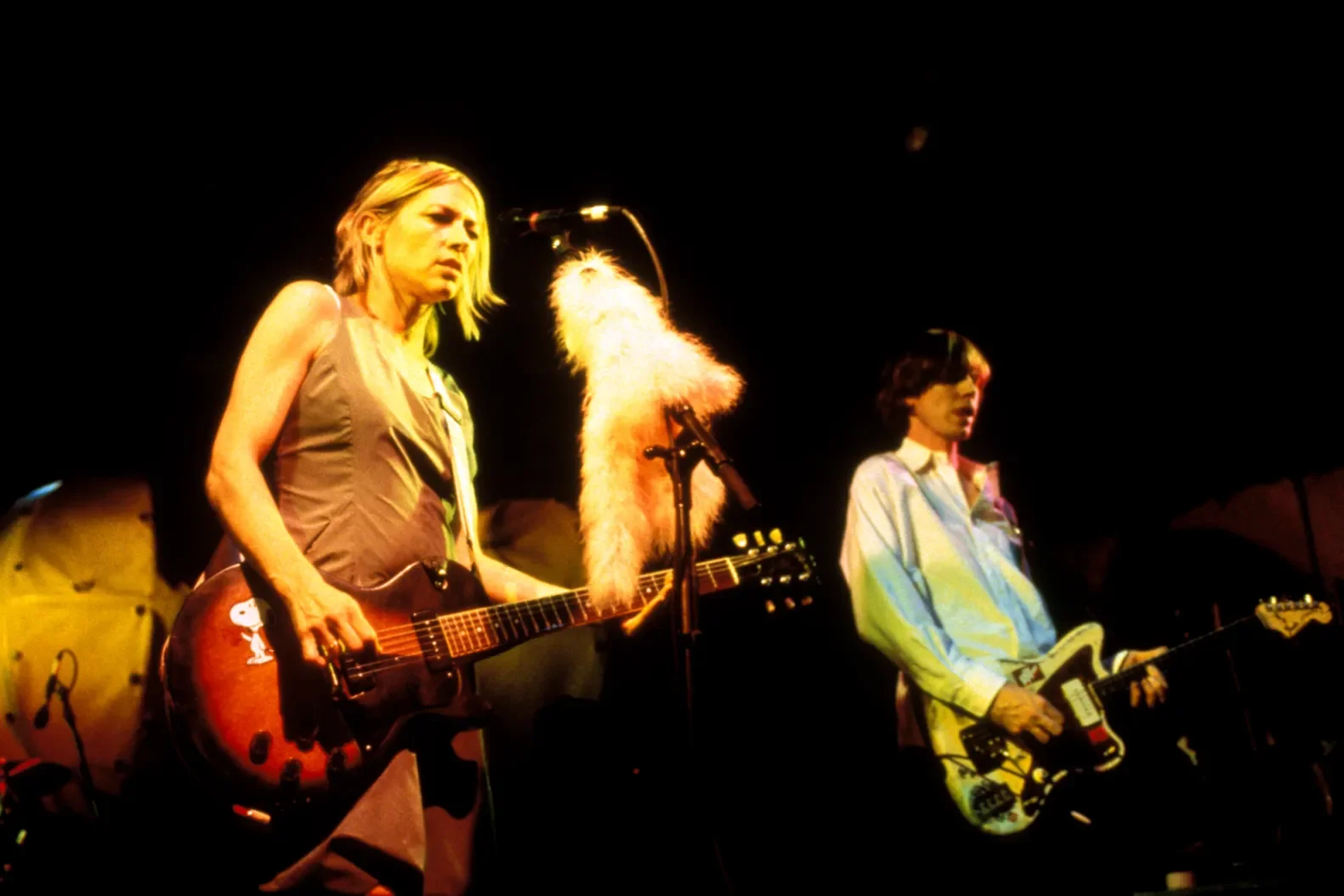
Photo: Ebet Roberts/Getty Images
A couple of questions before we swan dive into the deep end of this excellent existence we call life, where the past and the present collide in this cosmic coincidence. How old were you when Sonic Youth’s ninth studio album “Washing Machine” came out in the fall of 1995? Had you already been a fan since the release of “Goo”, which swept across the nation like a tonal tornado during the trepidatious takeover of the Grunge era? Did you attend Lollapalooza that year shortly before the album was released to the masses? Or maybe it was MTV or the revolutionary rise of street skating culture that iconically introduced the band through Toy Machine’s “Welcome to Hell” and “Jump Off A Building” videos. A very important detail to keep in mind during this time in American culture is the lack of internet interaction. Even if you had your own personal computer with access to AOL Instant Messenger (AIM) or ICQ, the function was still raw, and did not compare to what it would be used for thirty years later. You had to attend a concert, buy physical media, eagerly engage in local zines and underground magazines, or keep your eyes glued to the radio or TV for any sign of liberating life from the outside world. This decade, like the many before it, required your attention, and ultimately desired your deranged dedication to its output, and what better subject to incoherently rant about than the tonal titans themselves, Sonic Youth. Coming off the harmonious highs and lucrative lows of 1994’s “Experimental Jet Set, Trash and No Star”, the band immediately followed up with a more refreshed and less exhausted effort than their previous endeavors during the Reaganomics, or voodoo economics, depending on who you ask. Melodic miles are quite different from the vastness of rubber burning across America in a fever dream only Kerouac could understand, and “Washing Machine” is the perfect soundtrack for those lonely nights out on Route 66.
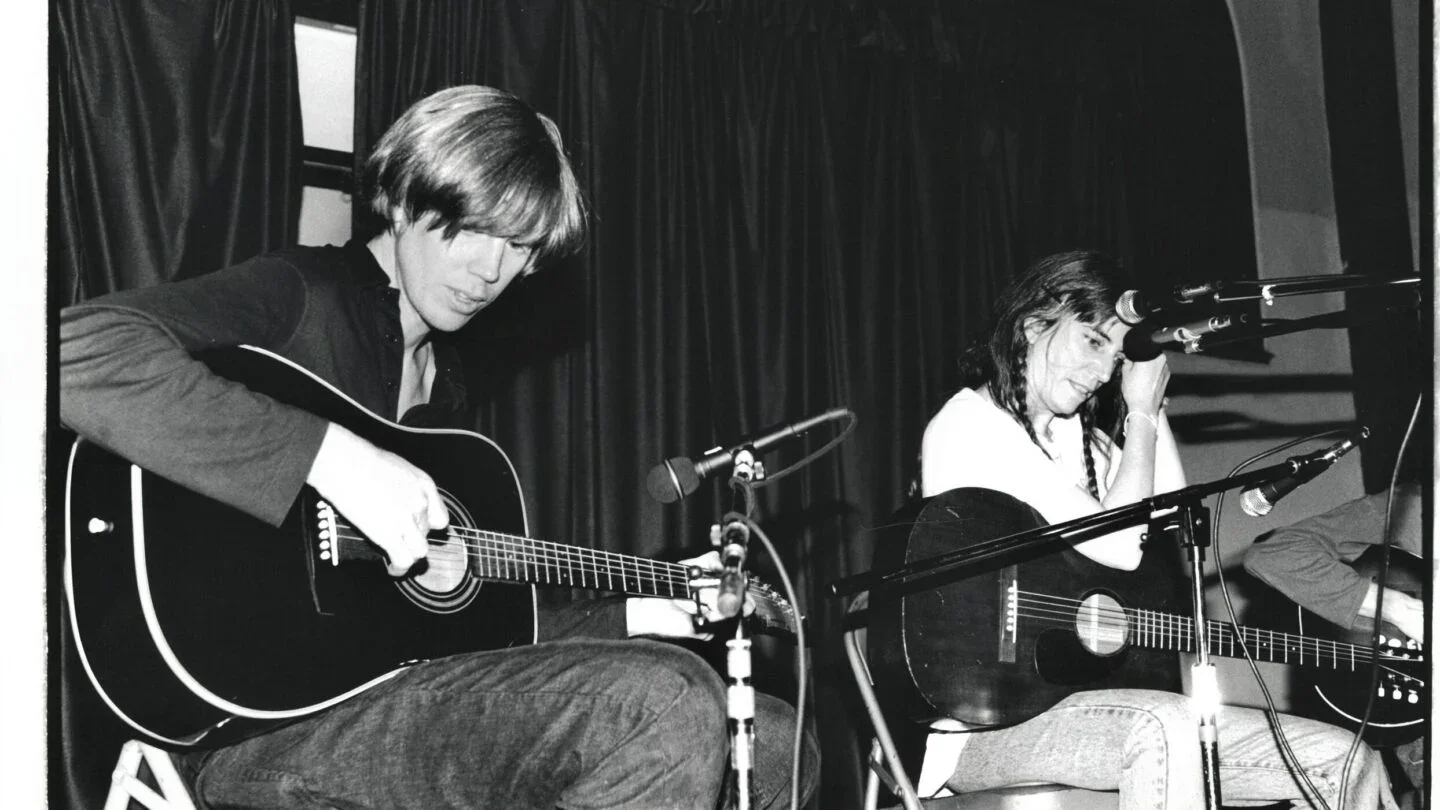
Photo Courtesy: Chris Cuneo
Even for veterans such as Sonic Youth, the 1990s were an explosive time, to say the least, and for the underground scene to experience such a radical reaction in a short period without any manual in sight only reflects the electrifying efforts of those who lived it. Not only does “Washing Machine” explore a more melodically mature sound throughout the course of its eleven tracks, but it also expresses a softer side of the band as they carefully capture some of the album’s key numbers, "Little Trouble Girl", “Unwind”, and the twenty-minute magnum opus “Diamond Sea.” At the time, Moore and Gordon had their first and only child, Coco Gordon Moore, who ultimately provided a poetic perspective that the duo had yet to experience. "I'm more focused and level-headed. There's a sublime awareness factor of your spiritual place in the world. I feel more at ease with myself... Babies are little Buddhas. They're completely great", says Moore about his newfound fatherhood, and within those feverish fibers of the album’s chaotic core resides a delicate flower with paper-thin lips smiling at the world. Recorded in Memphis at Easley Studios, the band felt they needed to detach and relocate so the music could breathe and stretch its atmospheric arms across the southern skies. Similar to the production of 1987’s “Sister”, “Washing Machine” wields a victorious voice that screams a staticky spiritualism that would remain with the group’s revolutionary repertoire for the next twenty years.
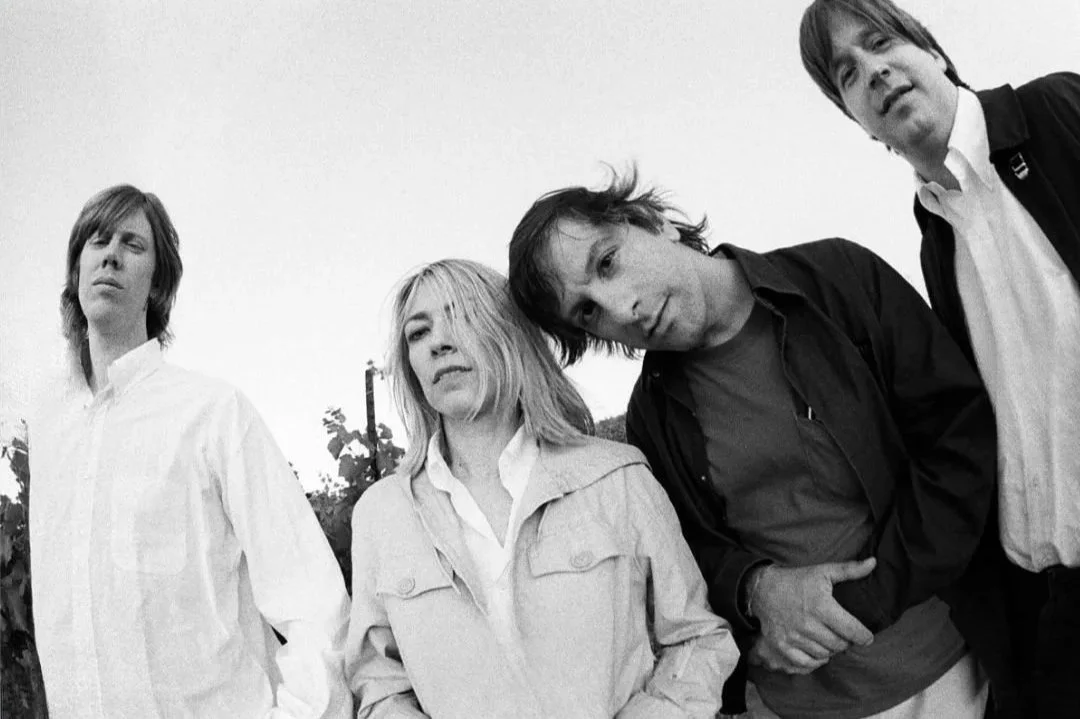
Photo: Jay Blakesberg
Produced by the band with a helping hand from longtime collaborator John Skiet, who also engineered “Dirty” (1992) and “Experimental Jet Set, Trash and No Star” (1994), the album was later mixed back in New York City at Greene Street Studios in the summer of 1995, during a time when the city was rapidly changing due to the early stages of gentrification, the "Broken Windows" policing policy going into effect, and the cultural clash with the root-based bohemians of East Village, and the growing cancer of commercialization. Sonic Youth is just as much a New York band as the Ramones or Lou Reed, but what separates them from their poetic peers and idols is the sonic salute made at the base of their fundamental freak flag, which was planted during their melodious manifestation of madness, transcendental texture, and the all-out war on the personal psyche. “Washing Machine” will also be a safe place for both new and old fans of the band, but if you really want to stir things up, try the “spiritual soak” setting next time you’re at the laundromat.