The Dent May Interview
For the last two decades, LA-based singer-songwriter Dent May has been carefully cultivating his craft since the release of his joyous full-length debut “The Good Feeling Music of Dent May & His Magnificent Ukulele”, and with each new album, the musician has only become clearer in translating his vision of the vibrant vegetation that makes up his expressive ecosystem. His latest effort, “The Big One,” takes listeners through the familiar backstreets of the city’s creative climate while exploring the enduring themes of community, age, and poetic perseverance.
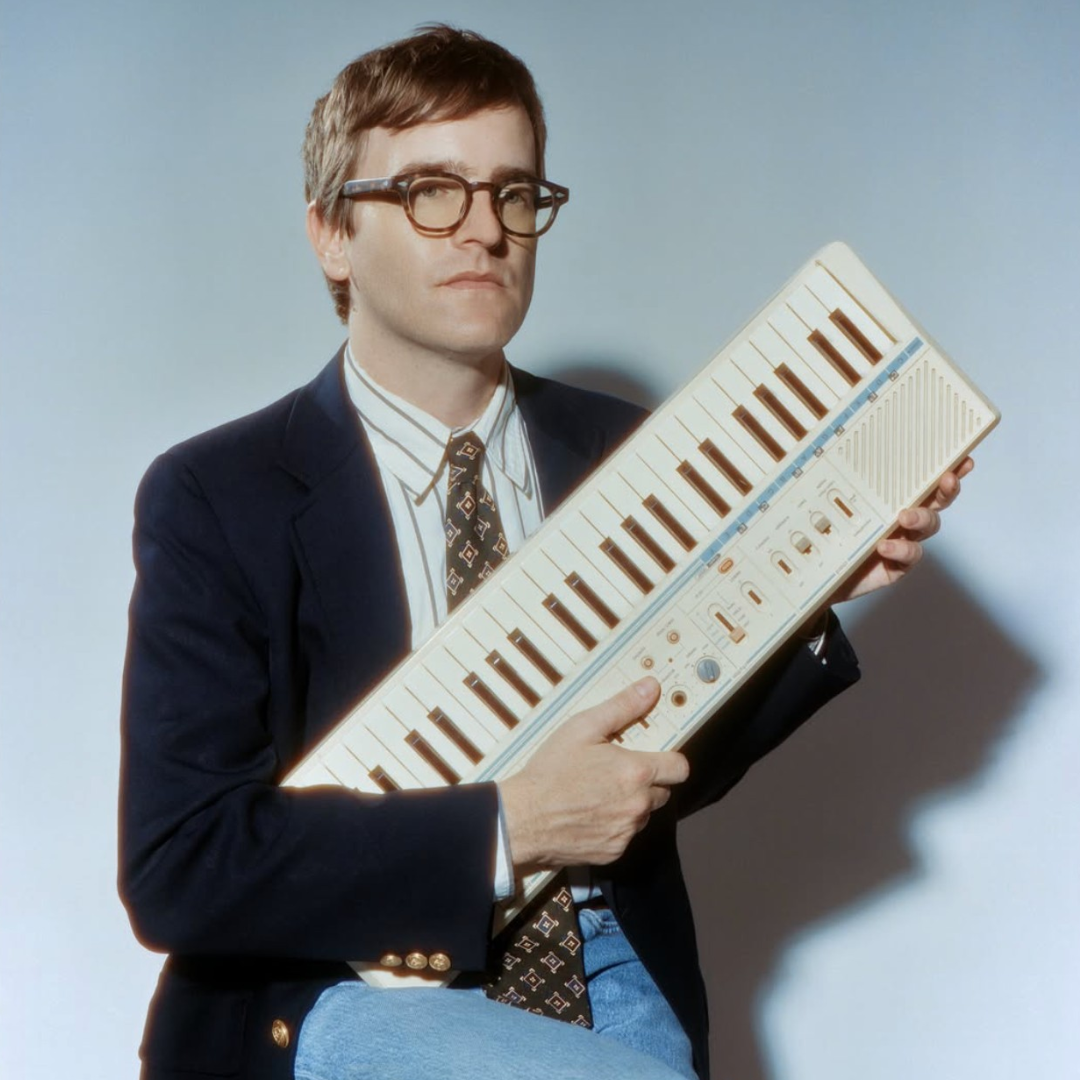
Photo: Max Flick
It's been a minute. How have you been since we last spoke back in 2024, I think? Before we dive in, take us back to that time. How much has changed in your life since the release of “What’s For Breakfast?”, and where are you now as both an artist and an individual in this crazy, weird world?
In some ways, not much has changed. I’ve been in Los Angeles in the same house for the past 11 years. We’ve had the studio where we recorded the album since early 2018. Life is plodding along, but the world is indeed crazier and weirder than ever with no signs of slowing down. In the early days, it was like, oh, making music is so much fun, which it is, but now I’m asking how my music can be helpful. I’m thinking more carefully about what I want to say. Over 100,000 songs are released on streaming services every day, so if I’m going to contribute to that, I need to give everything.
When you first began approaching the material that would eventually become the music on “The Big One”, what were some of the most important elements, topics, cultural commentaries, etc. that you wanted to express, and explore with this collection of songs? For nearly two decades, you’ve been carefully shaping your songbook. As a songwriter who's seen the industry, creative culture, and artistic atmosphere change time and time again, I’m curious as to how you’ve managed that melodic motivation all these years.
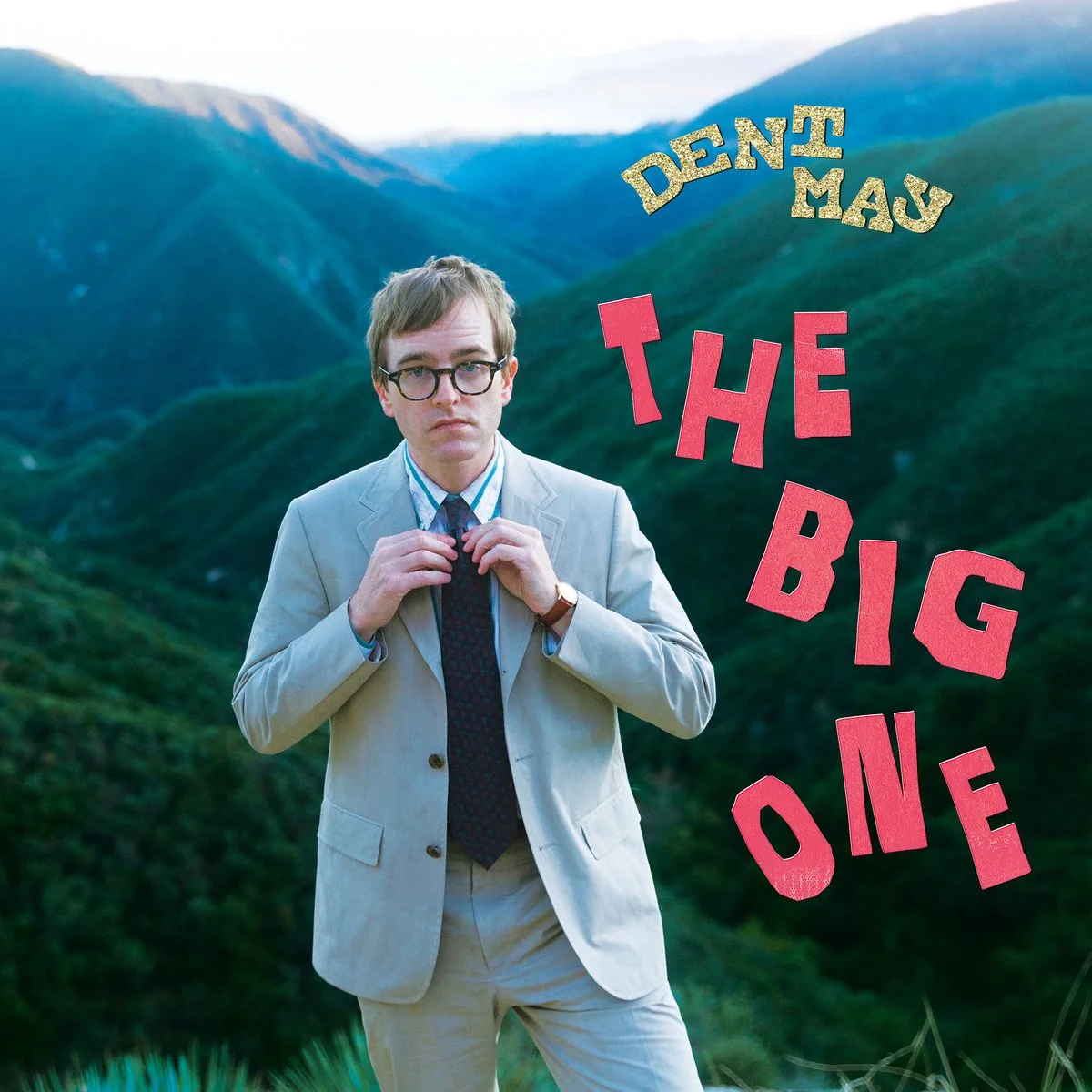
Photo: Daniel Topete
Musically, I wanted this album to feel looser and more collaborative. I brought on my friend Paul Cherry to produce the album. We share our studio, Honeymoon Studio, and we recorded the album live to tape with musician friends playing unrehearsed. I wanted to get as far away from computers as I could throughout the process. I also feel more of a collaboration with the listener. A lot of songwriters like to talk about how their music is therapeutic, like a diary entry, but I think of it more as a conversation. I want someone to feel less alone in the world for a few minutes when they listen to one of my songs. It’s not something I think about too much. Melodies and ideas for songs come to me, and I try to keep track of them. I’m still not really sure how any of that works. It’s true that I’ve been doing this for a very long time, but it’s more like I forgot how not to write songs. I don’t pay much attention to the music industry. Trends come and go. I avoid them at all costs. I have a vague desire to live a life full of inspiration, so I keep having things to write about, but hopefully I’d still live like that if I were selling insurance.
You mentioned, “If you keep going, good things will happen. But sometimes you have to shake things up a little.” This can simply be interpreted as a reference to the creative pursuit, but it's obviously universal. What were some positives during the process of writing and recording the album, and what has been the case since the release late last week?
When I was younger, making music was a solitary experience. For the most part, I wrote and recorded everything by myself. That old process feels lonely now. This was the most fun I’ve ever had making music, and that has everything to do with the people who helped record the tunes, create the videos, make the visual art, and so forth. I always say that if you have a good time making it, someone will have a good time listening to it. Finally, sharing the album has mostly just been a relief, some weight off my shoulders. I’m thankful anyone would ever listen to any of it.
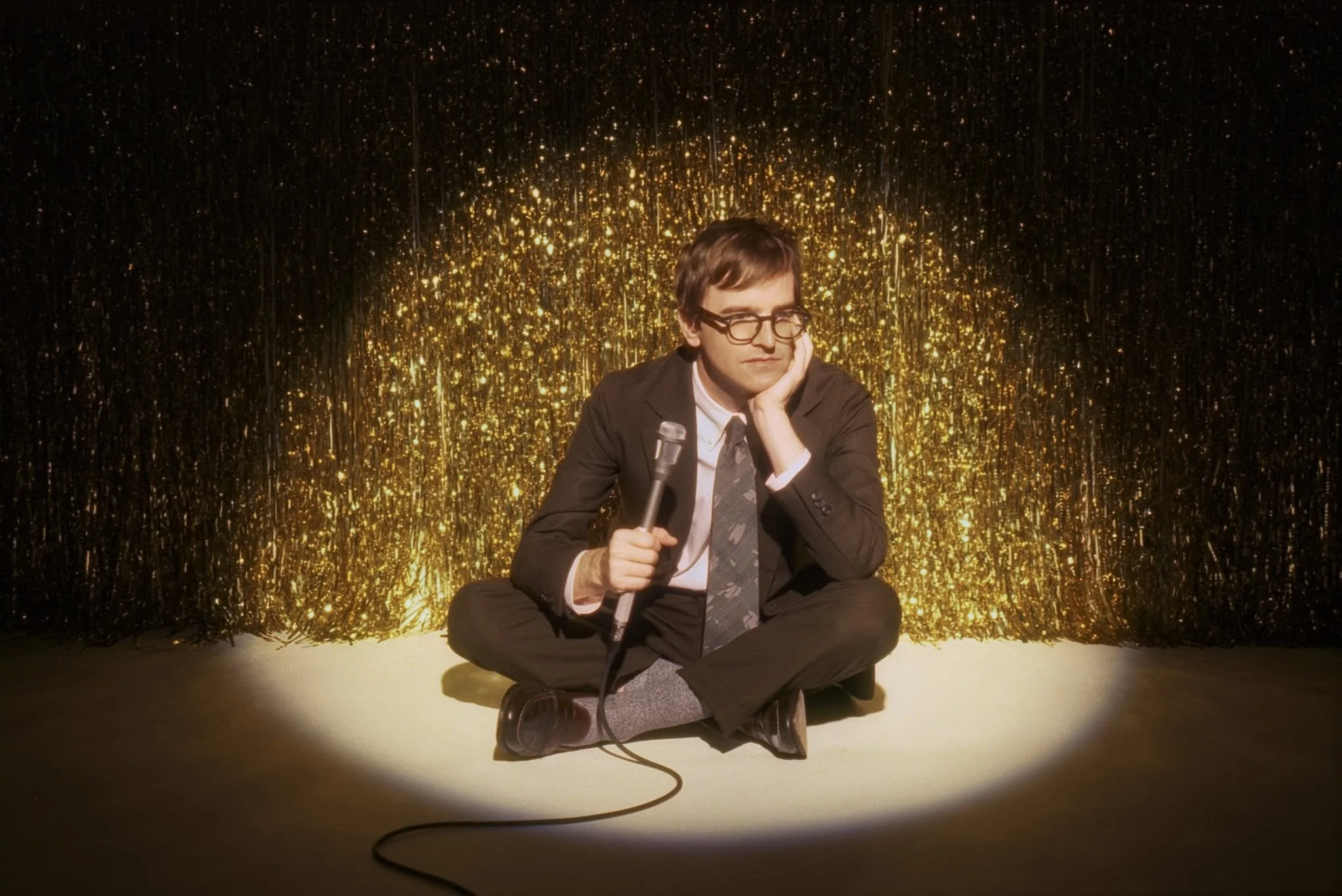
Photo: Max Flick
“Trends come and go. I avoid them at all costs. I have a vague desire to live a life full of inspiration, so I keep having things to write about, but hopefully I’d still live like that if I were selling insurance.”
Tell me about some of the background to tunes like “I Don’t Like You (But I Love You)”, “Such A Thrill”, the album’s opener “Here We Go Again”, and “Second Wind”. I was excited to hear that you were coming to Nashville in October. What are you most excited about for this tour? Is there anything else you would like to further share with the readers?
I wrote “I Don’t Like You (But I Love You)” with my friend and occasional bandmate Joey Joey Michaels, with the idea that his band Hot Freaks might record it, but I liked the song so much I rudely stole it back for my album. I wrote “Here We Go Again” after turning 40. We celebrated in Key West with fifteen friends. That song is very much in the “just keep going” mindset. Some things go right, some things go wrong, but we’re still here. I wrote “Second Wind” very quickly after Joey Joey Michaels invited me to go see our friend play, and I was feeling super down, not at all up for going out. I decided I’d give it a shot, but only if I could write a song first, so that one is quite literally narrating the process of deciding to hit the town after all, then coming back down at the end of the night. Thanks for the conversation. The only thing I’d probably say is, come see me on tour.